
Start here
Key Takeaways
- Hearing protection, footwear, sun and heat gear, rain layers, phone power, and smart packing form a single comfort kit that works across single- and multi-day festivals.
- Each section links to a deeper Vewtopia guide (earplugs, shoes, cooling gear, rain gear, power banks) for specific product picks.
- Small essentials like earplugs, sunscreen, blister care, and a compact power bank often matter more than a large backpack full of camping gear.
- Every item should earn its space by improving safety, comfort, or recovery, not just looking good on a packing list.
VewTopia may earn a commission if you book through links on this page, at no extra cost to you.
Protect your ears
Hearing Protection
Festival stages regularly push 90–110 dB, well above the 85 dB threshold where damage starts within hours. At multi-day events, that exposure stacks. Earplugs prevent long-term hearing damage at loud events and are absolutely essential for anyone who values their hearing after the weekend ends.
Good festival earplugs use high-fidelity filters that reduce volume by 15–20 dB without muffling the great music. Look for a discreet design, a clip-on case that attaches to your bag or belt loop, and a comfortable fit you can wear through long days and into the night.
Ear protection is non-negotiable in these situations:
- Front rail or near speaker stacks at any outdoor stage
- Indoor afterparties where PA systems push 100–110 dB
- Standing next to subwoofers or during pyrotechnic effects
Disposable foam earplugs work as a backup. They’re cheap and block 30–35 dB, but they muffle sound, generate waste, and feel less comfortable during all-day wear. Keep one reusable set in a keychain case on your festival bag and a spare set in your tent or car.
For specific high-fidelity options and fit advice, see our best concert earplugs guide. Hearing protection is the smallest, most important comfort item you can pack. It weighs almost nothing and prevents irreversible harm. Whether you camp all weekend or drive in for a single night, keeping a set clipped to your bag means you’re never caught without protection when a surprise pyrotechnic cue or an unexpectedly loud opener catches the crowd off guard.
Recommended gear
High-fidelity festival earplugs
Discreet, reusable earplugs with a clip-on case and 15\u201320 dB reduction — compared in detail in our best concert earplugs guide.
Your feet do the work
Footwear and Foot Care
Your feet do the hardest work at any music festival. A study of a five-day festival found foot injuries made up 37% of all minor medical presentations, with blisters accounting for over half. Comfortable shoes are essential for long hours of standing and dancing on uneven ground.
Closed-toe shoes protect feet from rough terrain, crowd pressure, and debris on the festival grounds. Supportive shoes with at least 3–4 mm of lug depth handle grass, gravel, and mud. Combat boots offer style and foot protection. Sandals or slides make sense only at the camping site, showers, or short walks.
Bring at least two pairs of broken-in footwear, such as sneakers and lightweight boots, so you can rotate between dry and wet conditions. Break in new shoes weeks before the festival to avoid painful surprises.
Key foot-care items:
- Blister plasters or moleskin for toes and heels
- Moisture-wicking socks (wool blend or synthetic, never cotton)
- Anti-chafe balm for high-friction zones
- Spare laces
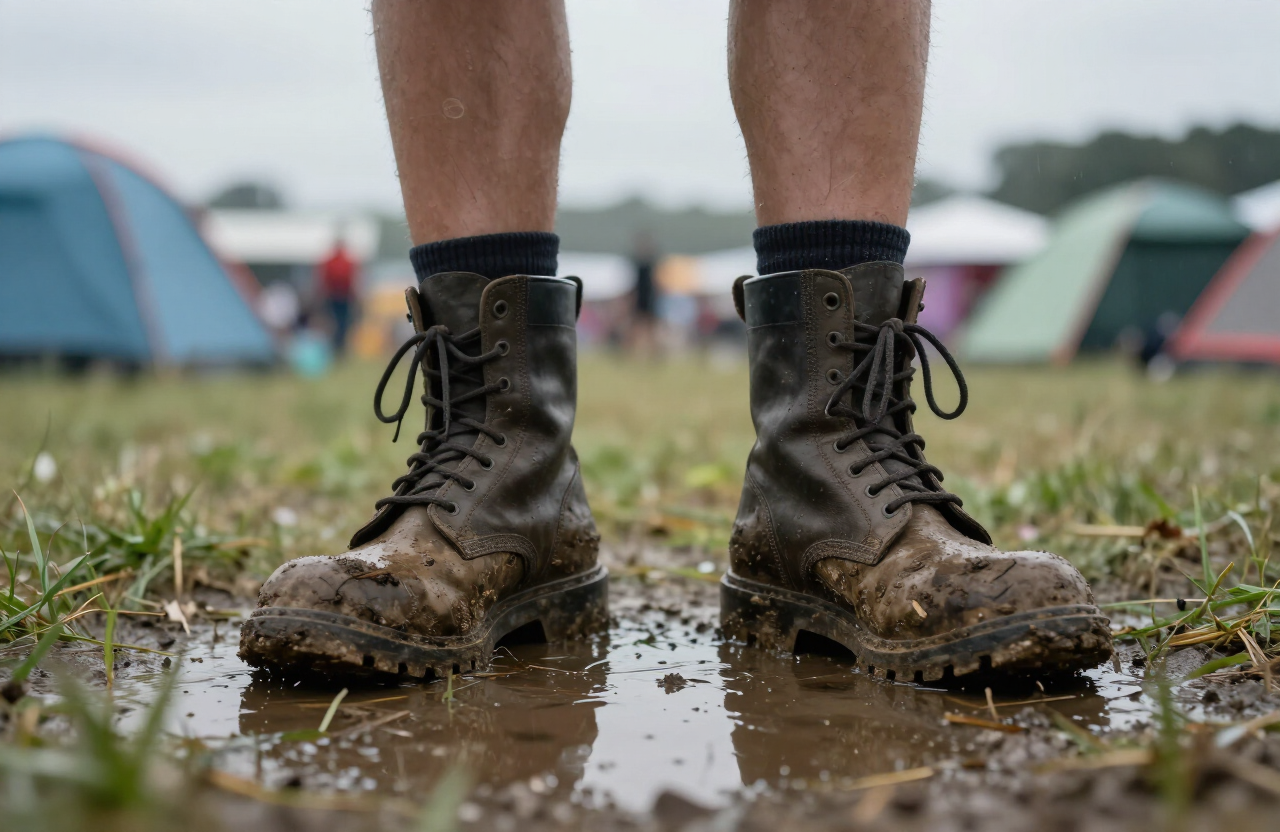
Terrain matters. Dusty desert sites need ventilation. Rainy fields demand waterproof boots. City parks reward cushioned soles. Match your shoe choice to the ground you’ll walk on. Change socks daily, and air out your feet at camp.
Compare specific shoe types and get terrain-based packing lists in our best festival shoes guide. Pairing the right footwear with a proactive foot-care routine keeps you dancing through the headliner instead of limping back to camp early, and it also cuts down on the number of medical-tent visits caused by preventable blisters and rolled ankles on uneven ground.
Recommended gear
Shoe comparison module
Closed-toe sneakers and lightweight boots with 3\u20134 mm lug depth, ranked by terrain in our best festival shoes guide.
Sun and cooling
Heat and Sun
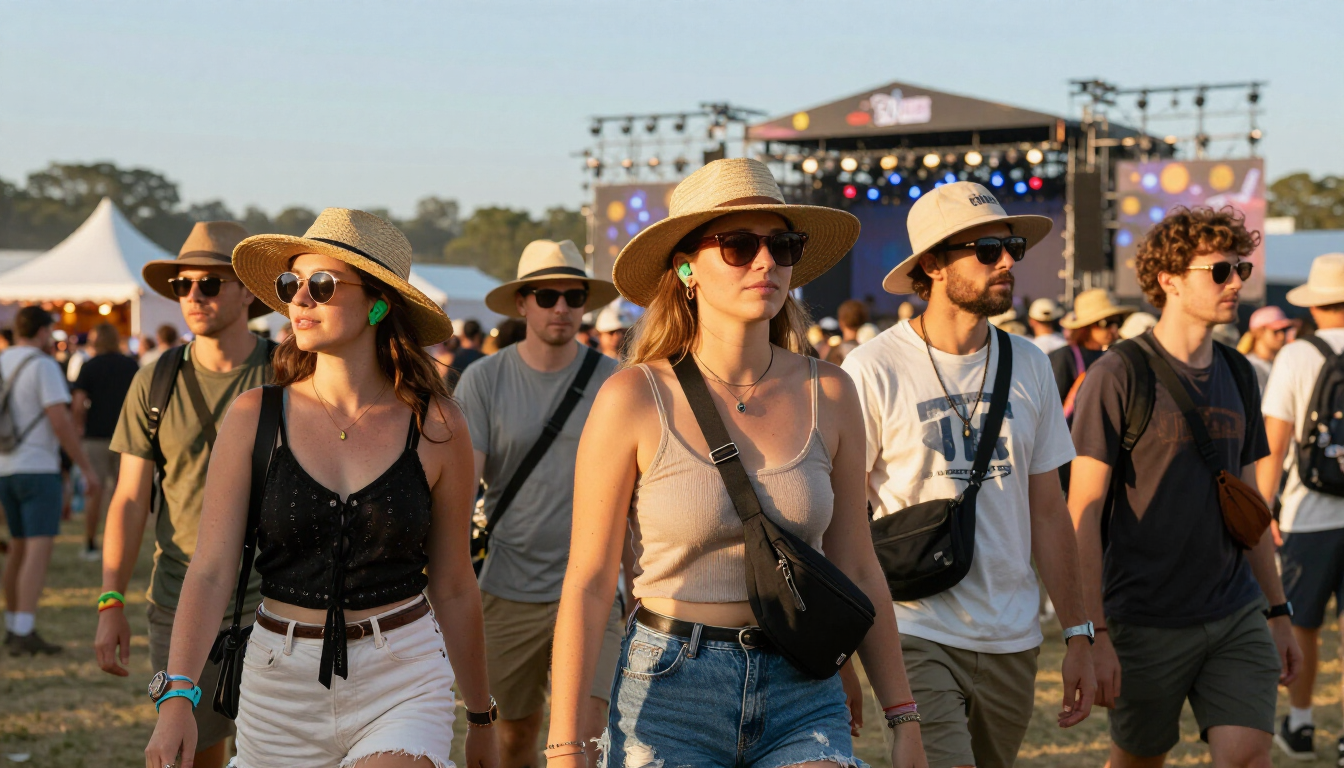
Heat, full-sun stages, and hours of dancing make sun protection and cooling gear core comfort items, not optional extras. Some events can hit triple digits during daylight hours. Choose moisture-wicking fabrics for hot weather comfort, and plan your gear around the hottest part of the season.
Sun protection layers:
- High-SPF sunscreen (broad-spectrum SPF 30+), applied generously and frequently
- SPF lip balm
- UPF-rated clothing on shoulders and back
- A wide brimmed hat or cap with a neck flap
- UV-protective sunglasses and hats for full coverage
Compact cooling gear for your festival bag:
- Cooling towels (evaporation-based neck wraps)
- Handheld or battery-powered neck fans
- Light-colored, breathable clothing
- A reusable water bottle or hydration pack
Stay hydrated by drinking water regularly at festivals, and wear breathable clothing that helps you stay cool. Set a refill rule between performances, know where free water stations are, and alternate water with alcoholic drinks. Alcohol can dehydrate your body during hot festival days. Simple food planning or regular meals also helps maintain energy levels.
Sunscreen is crucial for outdoor festivals. At dusty or hot sites like Coachella, a simple bandana or lightweight face covering helps reduce coughing and dust irritation.
Find specific cooling towel, fan, and breathable layer picks in our best cooling gear for festivals guide. Building this layer of your kit before you leave home means you won’t be stuck paying inflated on-site prices for a hat or a fan once the sun is already beating down on the crowd.
Recommended gear
Cooling gear product card
Evaporation-based cooling towels and battery neck fans, ranked in our best cooling gear for festivals guide.
Weather layers
Rain and Mud
A surprise storm can turn an otherwise enjoyable festival experience into cold, soggy discomfort if you lack basic rain gear. Even in dry season events, weather can shift fast.
Packable rain solutions:
- A lightweight waterproof jacket that stuffs into its own pocket (under 500 g is a great option)
- A poncho that fits over you and your backpack
- A small dry bag or zip pouches for your phone, tickets, and belongings
Quick-drying materials are essential for unexpected rain. Waterproof or water-resistant boots, extra socks in a sealed bag, and a microfiber camp towel handle the mud that follows. A good tent should be waterproof and easy to set up so you have a reliable dry retreat. Dry layers or bedding also help preserve warmth when temperatures drop at night.
Camping festival setup tips:
- Add a groundsheet under your tent to block ground moisture
- Keep one clean “sleep-only” outfit reserved
- Use a mat or tarp at the tent entrance to stop mud from getting inside
For detailed jacket, poncho, and waterproof layer comparisons, see our best rain gear for festivals guide. One packable layer can save a full day of fun from being cut short by weather, and keeping it stuffed at the bottom of your bag all weekend costs you almost nothing in space compared with the discomfort of being soaked through for the rest of a show.
Stay connected
Phone Power
Your phone holds your tickets, schedule, group chats, photos, and ride-share apps. When it dies in the middle of the crowd, you lose safety tools and the ability to find friends. Bring a portable phone charger to avoid battery issues at any event.
Choosing a power bank:
- Capacity: 15,000–20,000 mAh covers a three-day camping festival. Real usable capacity is about 60–70% of rated mAh due to conversion loss.
- Ports: USB-C with Power Delivery enables fast charging during short breaks.
- Weight: balance capacity against what you want to carry while you’re on the move.
Keep one compact daily-carry bank in your festival bag and a higher-capacity unit at camp or your hotel for overnight recharging. Pack short cables (they tangle less), a spare for your specific phone, and consider a tiny multi-charger if you’re splitting duties with a group. Before you leave, load music or other offline essentials onto your devices.
Alternatives: venue charging lockers, car chargers at drive-in festivals, and solar trickle chargers at remote camping sites. Each has tradeoffs in speed and reliability. Better organization of cables, chargers, and devices also cuts worry when battery access is limited.
Compare specific portable chargers in our best portable chargers for festivals guide.
Quick safety notes:
- Don’t leave phones plugged in unattended in public areas
- Label your power bank with your name or contact
- Keep gear inside a waterproof bag during storms
Pack light
Personal Comfort and the Importance of a Reusable Water Bottle Without Overpacking
It’s easy to overpack for multi-day events. The goal is a small, high-impact comfort kit, not luggage that weighs you down before you even reach the site. Secure personal belongings in a crossbody or fanny pack for the festival grounds, keeping valuables zipped and close to your body to deter pickpockets, and keep a clearly organized tote at camp with labeled pouches for toiletries, meds, and snacks. A simple pouch setup also makes essentials faster to find.
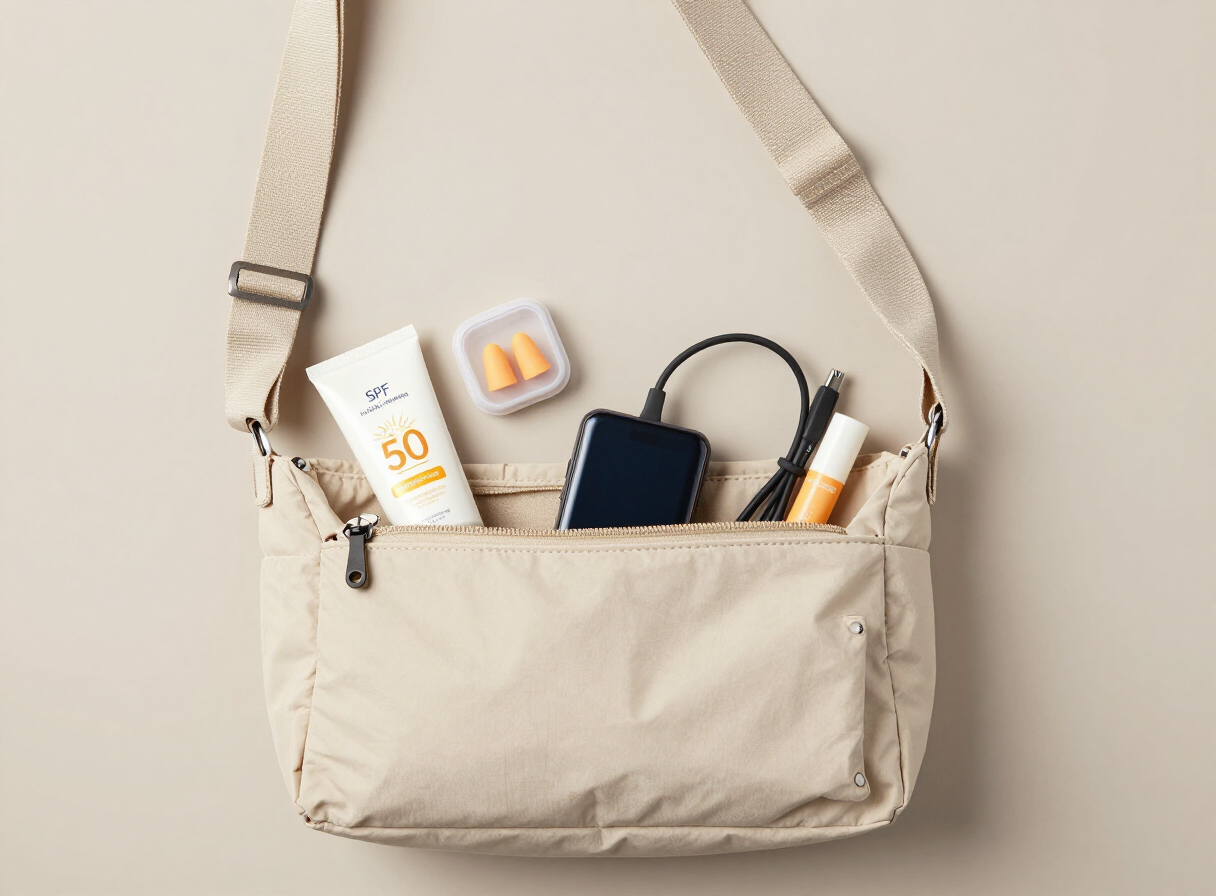
Core small essentials most people use daily:
- Hand sanitizer and wet wipes (bathroom facilities are limited)
- Tissues and extra toilet paper or toilet seat covers
- Lip balm with SPF
- Mini first-aid kit: a first aid kit is essential for festivals, so include band-aids and antiseptic wipes, pain relievers, and blister plasters
- Anti-chafe stick
- Earplugs
- Compact power bank
- Safety pins and duct tape (both fix gear failures fast)
Bring personal hygiene items to festivals due to limited facilities. Pack travel-sized toiletries like shampoo and soap. For longer camping stays, a portable solar shower is a stylish upgrade over wipe-downs.
Layering for comfort: Layering lightweight clothing helps adapt to changing temperatures. Start with breathable base layers that keep sweat away from your skin, add one warm mid-layer for cooler nights, and top with a weather outer layer. Pack versatile clothing layers for temperature changes rather than multiple single-use outfits. Choose moisture-wicking clothes to stay fresh through long days and into the dark. An extra light layer or blanket helps add warmth during downtime.
Tips to keep bags light:
- Share communal items with friends (one sunscreen, one toiletry kit)
- Skip fragile gadgets; choose multi-use items like a sarong (towel, blanket, shade)
- Pre-test your packed bag: walk with it for an hour to check weight and strap comfort
- Grab only what improves safety, comfort, or recovery
Establish a visible meeting point if you get separated from friends in the crowd. Stay aware of surroundings in crowded situations to ensure safety. Know the festival’s medical tent location for emergencies before you need it. Stay hydrated to avoid dehydration throughout every day. A compact camp chair or blanket gives you a place to sit and rest between sets. A plan for rest, meals, drinks, and sleep lets you focus on the party instead of logistics across a full weekend.
Questions
FAQ
These questions cover practical comfort and protection decisions that go beyond the main sections above.
What is the minimum comfort gear I should bring for a one-day music festival?
Earplugs, comfortable broken-in shoes, high-SPF sunscreen, a hat, a reusable water bottle, a small power bank, tissues or wet wipes, and basic meds like pain relief. Everything else is a bonus. Those few items make the biggest difference to your festival experience and safety.
How does comfort planning change for multi-day festivals?
Multi day festivals need more foot-care supplies, fresh socks and clothing, extra phone power, and at least one weather layer for cold nights or rain. Recovery gear like a better pillow, compression socks, and a simple first-aid kit matters more when you repeat long days back-to-back at a camping festival, and stronger camp organization helps reduce stress over long weekends.
How early should I test my festival comfort gear?
Try shoes, clothing, and the power bank at least one to two weeks in advance so you can adjust if something rubs, overheats, or charges slowly. Do a test walk of an hour or two with the bag you plan to carry to see if the weight and strap style feel right before you spend all weekend with it.
What small essentials do people forget that make a big difference?
Spare earplugs, blister plasters, lip balm with SPF, a small pack of tissues, hair ties, mini hand sanitizer, and a short charging cable. These items are your best friend at a festival. They weigh almost nothing but solve common problems that can distract from performances and social time. These tiny items can prevent small problems from turning into bigger worry during the day.
Official sources
- NIOSH / CDC — Noise exposure guidelines and safe decibel thresholds
- Tinnitus UK — Festival hearing protection recommendations
- Cambridge University Press (Prehospital and Disaster Medicine) — Foot injury data from multi-day music festivals
- WHO / Glastonbury Festival medical report — Festival health presentation statistics
- Details like weather patterns, festival policies on power banks, and allowed bag sizes should be re-checked against official event websites before publication.
Last verified: July 2026
Decibel thresholds, foot-injury statistics, and gear specifications were reviewed against current-year sources as of July 2026. Always confirm each event’s specific weather forecast and gear policies on its official site before you buy or pack for the day.