
Start here
Key takeaways
- This page is a practical hub for solving real festival problems, not a mood board. Every section connects to a deeper guide with specific product breakdowns and recommendations.
- You can browse by need — bags and security compliance, comfort and hearing protection, camping shelter and power, weather prep, and packing strategy — with links to focused hubs for each category.
- Every gear pick on this site weighs tradeoffs honestly: pack space vs. performance, durability vs. weight, safety vs. cost. There is no single “perfect” product for everyone.
- Gear advice is grounded in official festival policies, manufacturer specifications, and safety data. Details like bag size limits and prohibited items can change close to event dates, so we flag when to re-check.
- Specific numbers matter more than hype. You’ll find NRR ratings, bag dimensions, sound-level data, and ventilation specs — not vague superlatives.
Overview
Festival Gear That Solves Real Problems
Good festival gear isn’t about aesthetics or trending hauls. It’s about solving the specific problems that ruin weekends — dead phones, blistered feet, fried hearing, soaked sleeping bags, and bags that get rejected at the gate.
This page is your starting point. Below, you’ll find focused guides organized around what actually goes wrong at festivals, plus the gear that prevents it.
A smarter way to plan your festival gear
Whether you’re heading to a three-day camping festival or a single-day city concert, the problems are predictable. Security lines stall because someone brought the wrong bag. Dust and UV exposure drain your energy by mid-afternoon. Your phone dies before the headliner. Your feet hurt after two hours of standing. Your tent turns into an oven by 9 a.m. Good festival gear solves each of these, and this hub connects you to focused guides for bags and carry, comfort and protection, camping setups, and a complete music festival packing list.
The essentials in 30 seconds
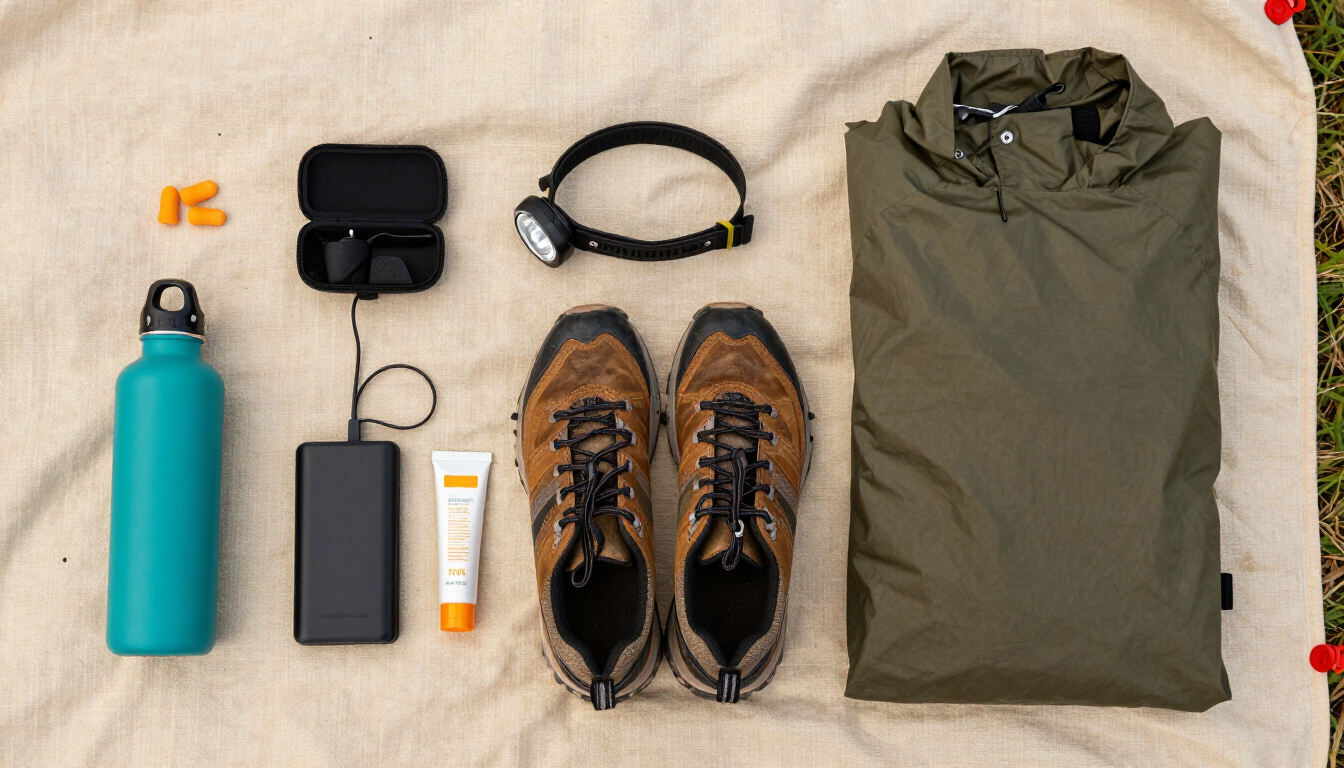
- High-fidelity earplugs (15–25 dB NRR) — non-negotiable for any live music
- Hydration system — reusable bottle or hydration pack, empty at entry
- Broken-in footwear with real support
- SPF 30+ sunscreen and a wide-brim hat
- Portable power bank (10,000+ mAh minimum)
- Government ID and a backup payment method
- Rain layer that packs small
Think of good prep like loading a reliable page — if you’ve done the work beforehand, everything runs smoothly. The “there was a problem loading” kind of stress shouldn’t apply to your actual trip. A few hours of planning now prevents scrambling at the gate.
Browse
Shop and Browse by Real Attendee Need
Some product links on this site are affiliate links. When you click “check current price” and make a purchase, VewTopia may earn a commission at no extra cost to you. This never changes which products we recommend. Full details in the disclosure section below.
VewTopia may earn a commission if you book through links on this page, at no extra cost to you.
Festival problems fall into clear buckets: carry and security, comfort and protection, weather, power, sleep, and safety. Each heading below maps to a deeper hub where you’ll find specific product breakdowns, comparison notes, and policy guidance.
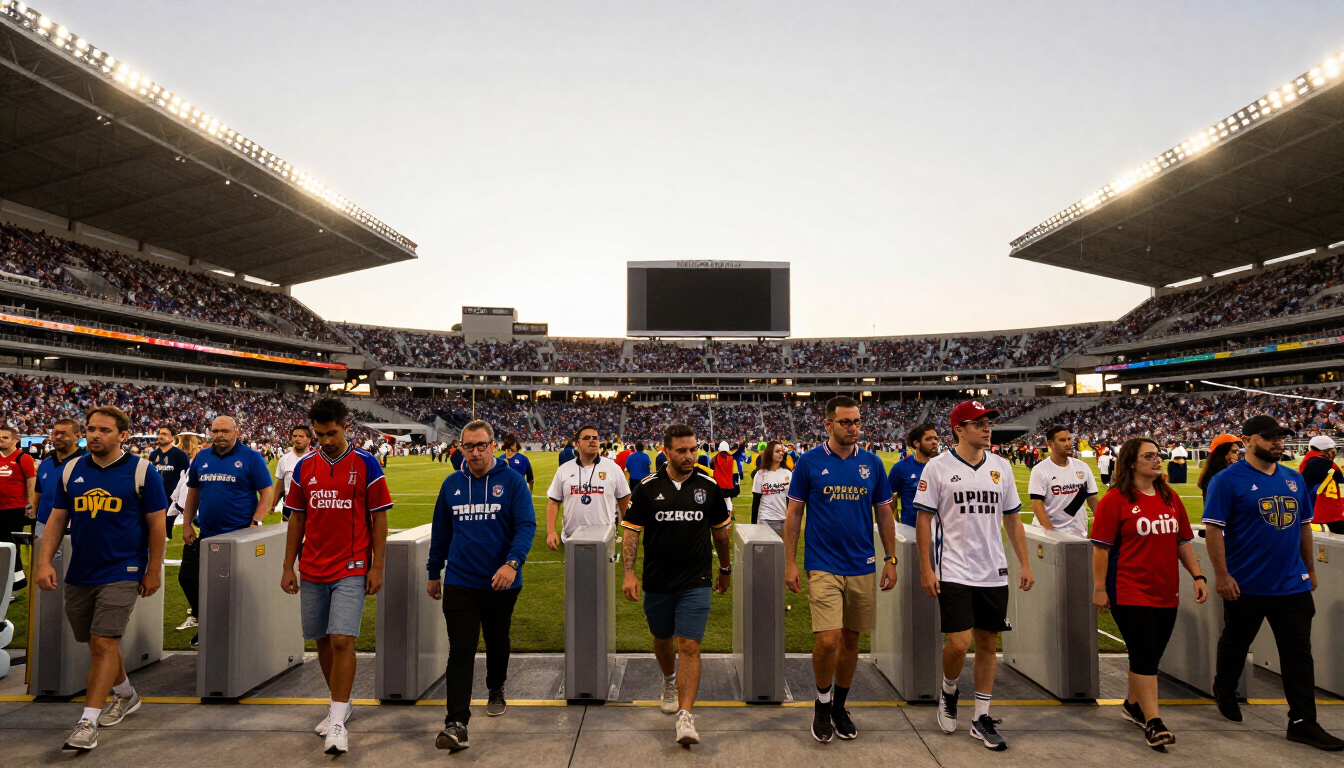
Bags and security checks. The wrong bag wastes your time or gets you turned away. Clear bags, policy-compliant hydration packs, and secure waist packs each solve a different part of this problem. Start with the bags and carry hub for size-limit guidance and product comparisons.
Comfort and protection. Earplugs, sunscreen, rain layers, and proper footwear determine how many sets you actually enjoy versus how many you endure. The comfort and protection hub covers hearing safety data, hydration strategies, and clothing that works across weather swings. If you are sleeping on site, you also need shelter, shade, a sleep system, lighting, and power — all packed into whatever space your car or shuttle allows. The camping gear hub below breaks down tent ventilation, shade structures, and the real limits of solar chargers, while battery banks, solar panels, and venue charging lockers each carry their own tradeoffs in weight, reliability, and cost.
We cover power and tech recommendations inside each relevant hub rather than as a standalone block, since the right power setup depends heavily on whether you are camping, staying nearby, or flying in for a single day.
Plan ahead
Packing Guides That Prevent Last-Minute Panic
A gear list without a packing strategy is just a shopping list. This is where planning turns practical. VewTopia maintains a master checklist you can adapt for day festivals, multi-day camping events, or fly-in city concerts. It covers documents, clothing, tech, comfort items, and campsite gear in separate sections so you can strip out what doesn’t apply.
Start with the festival packing guides and checklists for walkthrough-style advice organized by festival type. From there, the complete music festival packing list gives you a printable, section-by-section checklist you can customize and share with your crew.
If this is your first festival, the first-time festival guide covers expectations beyond just gear — arrival timing, security flow, common mistakes, and how to pace your energy across a long weekend. One practical tip: save or print your checklist before you leave. Festival grounds often have unreliable Wi-Fi, and if your site still doesn’t load when you’re standing at the gate, a saved PDF keeps you on track. Think of it like trying to refresh a page on a shaky connection — it’s better to have the backup already downloaded.
Carry and security
Bags and Carry: Getting Through Security Without Losing Your Stuff
The wrong bag can block you at security, force a locker rental, or make every set uncomfortable. Bag choice is one of the highest-impact festival gear decisions, and it’s the one most people get wrong.
Key bag types and who they fit
- Clear stadium bags — required at many large venues. Common size limits mirror the NFL clear bag policy: 12″ × 6″ × 12″ for clear bags, plus one small non-clear clutch no larger than about 4.5″ × 6.5″. Check your festival’s official page for its specific dimensions.
- Hydration packs — ideal for all-day outdoor stages. Must typically be empty at entry. Capacity ranges from 1 to 3 liters; more capacity means more weight on your back.
- Waist packs and crossbody slings — best for keeping concert essentials (ID, payment, phone, earplugs) secure and close. Lower capacity, but faster through security.
- Packable daypacks — useful if you need extra layers or supplies but want something that folds away when not needed.
Tradeoffs to weigh
- Clear bags speed up security but offer zero privacy and less durability.
- Larger packs carry more but may exceed size limits or slow screening.
- Dust and rain resistance matters at outdoor events — look for water-resistant zippers or pack a gallon zip-lock inside.
Always cross-check bag dimensions against official festival policies a few days before you leave. Policies update without much notice. Separate your on-person concert gear from your campsite storage so losing one bag doesn’t wreck the weekend. Explore specific bag breakdowns in the bags and carry hub.
Comfort and safety
Comfort and Protection: Stay Safe, Hear the Music, and Last All Weekend
Comfort gear directly determines how many hours you last. Earplugs, hydration, sun and rain protection, and footwear are not luxuries — they’re what separates enjoying a headliner from sitting in the medical tent.
Hearing protection comes first
Festival sound levels regularly hit 94–110 dBA, well above the 85 dBA threshold where damage begins. At 100 dBA, safe exposure drops to under 15 minutes without protection. A randomized trial with festivalgoers in Amsterdam found that wearing earplugs rated at 18 dB NRR for about 4.5 hours reduced temporary hearing loss from 42% to 8%. Tinnitus onset dropped from 40% to 12%.
- High-fidelity (musician) earplugs — NRR typically 15–25 dB. Preserve sound clarity. More expensive, reusable. Best for people who want full music detail with reduced volume.
- Foam plugs — NRR 25–33 dB. Cheap, disposable. Muffle high frequencies more, which can make music sound dull. Better than nothing, but worse for fidelity.
- Custom-molded plugs — best fit, highest real-world attenuation. Expensive and require an audiologist visit.
Fit matters enormously. A plug rated at 25 dB NRR does little if it’s loose.
Hydration and sun
Carry a reusable bottle or hydration pack — most festivals require containers to be empty at entry but offer free refill stations inside. Apply SPF 30+ sunscreen (reef-safe when possible), wear a wide-brim hat, and pack breathable long sleeves. Bring a lightweight rain jacket or poncho; weather shifts fast.
Footwear
Wear broken-in sneakers or trail shoes with good grip. Insoles help if you’re standing for 8+ hours. Flip-flops are fine around camp but dangerous in crowds. Brand-new boots almost guarantee blisters within minutes.
Small items that matter
- Lip balm with SPF
- Blister care kit (moleskin, bandages)
- Dust mask or bandana for dry grounds
- Compact hand sanitizer
Dig deeper into materials, product comparisons, and pros and cons at the comfort and protection hub.
Base camp
Camping Gear: Build a Small, Smart Base Camp
Camping festivals demand a different level of planning. You’re packing a temporary home that needs to fit in your car trunk — or worse, on a shuttle — and survive heat, dust, wind, or rain for multiple days.

Core pieces
- Tent — choose based on forecast. For hot, dusty events, prioritize double-wall designs with mesh inner walls and ground-level vents. A reflective rainfly staked away from the tent body creates airflow and can drop interior temperatures noticeably. For wind and storms, strong stakes and guylines matter more than floor space.
- Shade structure — a canopy or tarp system is essential in exposed campsites. Weigh setup time and wind stability against the footprint you have.
- Sleep system — sleeping pad or air mattress (match weight to your carry distance), season-appropriate bedding, and a real pillow. Skimping here costs you energy for the rest of the weekend.
- Camp chairs — check if your festival restricts chair height. Some ban tall or oversized chairs in viewing areas.
Lighting and power
Headlamps are more versatile than lanterns. Battery lanterns work well at camp. Portable power stations add reliability but significant weight. Solar chargers perform well in clear sun but drop sharply on cloudy days — not reliable as your only power source over a full weekend.
Campsite organization
Small bins keep food and toiletries separated. A doormat or small rug outside your tent entrance reduces dust tracked inside. Label your trash and recycling bags clearly — it keeps your block of campsites cleaner and helps with pack-out.
For in-depth breakdowns of budget vs. premium setups, ventilation comparisons, and shelter tradeoffs, visit the camping gear hub.
Methodology
How Vewtopia Researches and Evaluates Festival Gear
Vewtopia does not claim hands-on testing unless a product was actually tested with documented methodology. We’re transparent about that.
Our research process includes:
- Analyzing official manufacturer specifications and published safety data.
- Cross-referencing user reviews across multiple platforms.
- Reviewing independent lab results and standards (such as NRR certifications and ITU safe-listening guidelines) when available.
- Filtering every recommendation through real-festival constraints: bag policies, walk distances from parking to camp, weather patterns, and typical noise levels.
All time-sensitive details — festival rules, prohibited items, banned chair heights, charging locker availability — are verified against official sources before publication. We use “last verified” language so you know when the information was confirmed.
Every gear pick weighs tradeoffs — pack space vs. performance, durability vs. weight, safety vs. cost — rather than declaring a single “best” product for everyone.
Transparency
Limitations we acknowledge
- Affiliate relationships exist and are disclosed.
- Regional product availability varies.
- No single product works for every body, budget, or mobility need.
- Every gear hub includes who the product is for and who it is not for.
Disclosure
Affiliate Disclosure: How Gear Links Support Vewtopia
Some product links on this site are affiliate links. If you click “check current price” and complete a purchase, Vewtopia may earn a commission. This does not change the price you pay.
Commissions help fund independent, free festival planning guides. Affiliate status never guarantees a recommendation. Products are included or excluded based on usefulness, safety, and policy fit — not commission rates.
Every commercial link is clearly labeled. You will never see fake “limited time” messaging, invented discounts, or email sign-up walls blocking gear information on this page.
VewTopia may earn a commission if you book through links on this page, at no extra cost to you.
Troubleshooting
Festival Gear FAQ: Troubleshooting Problem Loading Issues
These FAQs cover common planning problems not fully answered in the sections above.
How far in advance should I buy festival gear?
Start at least three to four weeks before your festival. This gives you time to test gear at home — set up your tent, charge your power bank fully, and break in footwear. Buying last-minute limits your options and removes any chance to return items that don't fit.
What do I do if bag rules change right before the festival?
Re-check the festival's official website or social media channels 48 hours before gates open. If the site still doesn't load, try the festival's official email or app for updated policies. Keep a small, policy-compliant clear bag as a backup so you're covered regardless of last-minute changes.
What's the safest way to carry cash and cards at a festival?
Use a slim, zippered pouch worn under your clothing or a secure crossbody with a front-facing zipper. Carry only what you need for the day. Leave backup cards and extra cash locked in your vehicle or a secure locker. Avoid loose pockets — crowds make pickpocketing easy.
How do I pack rain gear when flying to a festival?
A packable rain jacket compresses to the size of a water bottle and fits easily in a carry-on. Skip full-size umbrellas — most festivals ban them in viewing areas. A lightweight poncho works as a backup and weighs almost nothing. Roll clothing tightly to save space for weather layers.
Is camping worth it for first-time festivalgoers?
Camping adds complexity but also convenience — no shuttles, no rideshare surges, and you're steps from stages. If load and logistics feel overwhelming, start with a car-camping festival where your vehicle doubles as storage. Our first-time festival guide walks through what to expect beyond just gear.
Next steps
Turn This Hub Into Your Own Plan: What to Do If You Have a Problem Loading This Website
General advice only works when you make it specific. Your festival, your dates, your travel mode, and your tolerance for roughing it should all shape what goes in the bag. Start with the complete music festival packing list as your baseline. Then use the festival packing hub to customize it by event type — day festival, camping weekend, or fly-in city show.
Practical next steps
- Save or print your checklist offline so you aren’t relying on refreshing a website with spotty festival Wi-Fi.
- Share the list with your group so gear duties get split (one shade canopy is enough — five is a problem).
- Schedule a gear test night: set up the tent in your yard, run the power bank to zero, and walk a mile in your festival shoes.
Good preparation means fewer “there was a problem loading this website” style emergencies once you’re at the gates. The work happens at home. The festival is for everything else.
Official sources
- NIDCD – Hearing Protectors: nidcd.nih.gov/health/hearing-protectors
- JAMA Otolaryngology – Earplug RCT (Amsterdam, 2015): jamanetwork.com/journals/jamaotolaryngology/fullarticle/2507069
- NFL Clear Bag Policy: nfl.com/legal/clear-bag-policy
Last verified: 17 July 2026
Bag policies, prohibited item lists, and safety data are re-checked against official sources on a rolling basis and updated here whenever a change is verified.