
Start here
Key Takeaways
Packing well shapes the whole festival experience: the right gear keeps you comfortable, safe, and within venue rules, while the wrong bag or too much stuff adds stress. Use these guides to pack exactly what you need for the festival you’re attending—and leave the rest behind.
This page is your hub for every type of festival packing guide. Whether you are heading to a city day-festival, setting up camp for a long weekend, bracing for heat or rain, or attending your first event ever, the guides linked from here cover all the essentials you need to pack well and travel light.
- City day-festival list — streamlined essentials for events where you return to a hotel or home each night.
- Camping festival packing list — full shelter, sleep, and cooking setups for multi-day camping festivals.
- First-time festival essentials — priority items and common mistakes to avoid on your debut festival experience.
- Weather-specific adjustments — heat, rain, and cold weather add-ons that layer on top of any base list.
What you pack changes based on bag policies, trip length, and forecast. Each linked guide addresses those details so you can customise rather than guess. Your festival essentials, festival bag choice, and festival packing list should always reflect the specific event you are attending, not a generic checklist copied from last year.
Affiliate and safety disclosure
Some sections of this hub recommend specific gear. Where we link to products, some of those links use affiliate partnerships. These partnerships never influence our editorial choices, and we recommend the same items regardless of whether an affiliate programme exists.
Verify all festival policies, transport details, and ticket rules on official event sites before relying on any example in this guide. Details such as bag dimensions, prohibited items, and camping regulations can change between announcement and gate-opening day.
Any product or packing advice here is general. It is not a substitute for medical, legal, or safety guidance. Adjust recommendations for your own health needs, physical abilities, and any accessibility requirements specific to your situation.
Here is how this hub is organised so you know what to expect below: core essentials that apply to every festival type; camping gear, clothing, and bag organisation deep dives; weather adjustments, eco-friendly packing, and what to skip; and bag-policy guidance, trip-length scaling, and FAQs. Planning ahead with this structure saves time and prevents overpacking.
Start planning
How to choose the right packing list
There is no single “best festival packing list.” You choose based on three things: venue type (city park vs. camping field), the weather forecast, and how many nights you will stay. This page summarises your options and links to deeper guides where you can build a complete checklist.
Here are the main scenarios and how they change your pack:
- City festival day-trip — smallest setup. One day bag with phone, payment, water, and sun protection. You leave everything else at home.
- City festival with hotel — similar day bag, but you can rotate outfits and charge devices overnight. A small overnight bag stays at the hotel.
- Camping festival — full setup including tent, sleeping gear, camp kitchen basics, and multiple days of clothing. Weight and portability matter.
- Road-trip plus festival — you can store backup gear in a vehicle, but you still need to carry your camping load from the car park to your pitch.
Bag policies — clear bag rules, backpack bans, specific size limits — change exactly what day bag or festival bag you can bring through gates. Always check the specific event’s official site for prohibited items and last-minute rule changes before you finalise your pack.
A good starting point is a master list like the one at the complete music festival packing list. Start there and remove items you don’t need. A festival packing list should include essentials for comfort and weather preparedness, then scale from there.
Day-trip and hotel
City festival essentials
A “city festival” is any event held in a park, stadium, or urban venue where you return to a hotel, hostel, or home each night. Think BST Hyde Park, Lollapalooza, or Wireless. Packing is lighter because your accommodation handles sleep, storage, and meals.
Here is what to carry through the gates:
- Bring a printed ticket or downloaded e-ticket, plus photo ID and an age card if required for wristband collection
- Phone and a power bank — a portable charger is essential for keeping devices charged through a full day of maps, photos, and payments
- Compact festival bag that fits within the venue’s size rules
- Reusable water bottle (empty it before security, refill inside)
- Sun protection: SPF sunscreen, sunglasses, and a sun hat for open stages
- Light layers or a packable waterproof jacket for unpredictable afternoons
- Cash plus one card — cash may still be useful at festivals despite increasing cashless payment options
- Basic first-aid items: plasters, pain relief, and any personal medication
A good city festival bag is small and hands free. A crossbody sling, bum bag, or clear bag designed for stadium entry with secure zips and an internal pocket for cards works well. Carry only what you need from gates to main stage to keep bag checks fast.
If you are commuting in and out each day, pre-charge devices the night before and store a change of comfortable shoes or snacks in the car or hotel room so you are not weighed down inside the venue.
Multi-day
Camping festival essentials
Camping festivals like Glastonbury, Bonnaroo, and Latitude require a full “tiny home” setup. You are responsible for shelter, sleep, cooking, and enough clothing to last several days without easy access to laundry or shops.
Campsite setup
- Tent — match tent size to your group. Tents should be weather-resistant and include a ground tarp for protection. A double-skinned tent blocks sunlight for better sleep at dawn and provides better insulation
- Sleeping bag — a high gsm sleeping bag is essential for cold nights, especially if temperatures drop after midnight
- Sleeping mat or airbed — this is the difference between a good night’s sleep and sore hips by day two
- Camping chairs — a camping chair provides a comfortable place to sit at camp between sets
- Head torch or lantern — a head torch is essential for navigating at night without waking neighbours
- Mallet, duct tape, spare pegs, and a tent tidy to keep your pitch organised
- Fairy lights or a small lantern to mark your tent in a dark field
Sleep quality items
- Earplugs help filter out noise for better sleep, especially near late-night stages
- Eye mask for early morning sunlight through tent walls
- Warmer layers for overnight dips in temperature
Food, drink, and kitchen
- Cooler with ice packs — coolers keep ice longer for multi-day festivals if you pre-chill contents
- Reusable cutlery, plates, and a mug for hot drinks
- A camp stove simplifies meal preparation for larger groups (check festival rules on gas canisters first)
- Tinned cocktails are popular for festival drinks and easier to transport than glass bottles
- Snacks for early morning starts and late nights when vendors close
Pack only what you can carry from the car park to your pitch. Compact, multi-use items beat bulky single-purpose gear every time. For a full breakdown of camping gear and tent recommendations, head to the camping festival gear guide. You can also find deeper detail on other camping gear in our complete packing list.
Playing cards can provide entertainment during downtime at festivals and weigh almost nothing.
Always pack
Essential items for every festival
Some festival essentials apply everywhere, whether you are in a city park for one afternoon or camping for five nights. These are the items that earn a permanent spot on any packing list.
Always pack
- Photo ID and ticket confirmation (digital or printed)
- Phone with offline maps and screenshots of key QR codes
- A portable charger is essential for keeping devices powered through long days
- Cash plus one backup card
- Reusable water bottle — reusable water bottles help stay hydrated throughout the festival
- Sunscreen with SPF to protect against sunburn
- Sunglasses and a hat
- Light jacket or waterproof layer
- Basic medications and personal prescriptions
Small items that are easily forgotten
- Hand sanitiser for porta potty visits and toilet trips
- Lip balm with SPF
- Plasters and blister patches — a small first-aid kit is crucial for minor injuries
- Pain relief tablets
- Tissues or pocket toilet paper — bring extra toilet paper or a pee cloth for emergencies
- Hair ties to keep hair off your face in heat or wind
Group these personal items into a small pouch inside your festival bag so they are easy to grab during bag checks and accessible while you are standing at the main stage. The goal is to stay prepared without rummaging through a cluttered bag between acts. For multi-day camping trips, pair this list with the camping festival gear guide so nothing at your pitch gets left off the checklist.
Wear it well
Festival clothing and footwear
Festival clothing is about comfort, weather resilience, and surviving long days on your feet — not just outfits for photos. Organizing outfits in advance can simplify daily preparations at a festival and help you avoid overpacking.
Practical clothing strategy
- Breathable tops and t shirts in quick-dry fabrics (nylon or polyester blends)
- Quick-dry shorts or trousers that handle dust and rain equally
- A warm evening layer: fleece, hoodie, or lightweight down jacket
- A reliable waterproof jacket or packable poncho — this is non-negotiable for any UK festival or unpredictable forecast
- Choose lightweight, versatile clothing for changing weather rather than packing a different outfit for every set
Footwear priorities
- Comfortable footwear is essential for long festival days. Wearing well-worn shoes prevents blisters at festivals, so break in new trainers or walking boots weeks before the event
- Bring waterproof shoes for muddy festival conditions — wellies or waterproof hiking boots handle heavy mud, while broken-in trainers work for dry conditions
- Lightweight flip flops or slides for camp or hotel recovery
- Synthetic or wool socks help wick moisture away — pack more socks than you think you need
Sustainability note
Consider eco friendly choices such as buying secondhand festival outfits or choosing durable basics in organic cotton that you will re-wear across many festival seasons. A few good quality versatile pieces beat a bag full of single-use fast-fashion items.
Layered clothing is your best defence against temperature swings between afternoon sun and midnight cold weather.
Pack smart
Organizing your festival bag and day bag
Think in terms of two bags: one larger travel or camping bag at base camp, and one small hands free day bag for the arena. This separation keeps your essential items accessible and your campsite or hotel room manageable.
Day bag options
- Crossbody sling — low profile, sits against your body, hard to pickpocket
- Hip pack or bum bag — true hands free access, fast through security
- Mini backpack — more capacity but check venue size limits
- Clear festival bag — required at many stadium shows; find options that meet policy at our clear bags guide
Inside the main bag
Use packing cubes to organize clothes efficiently. Separate clothing, toiletries, and tech into small pouches so items are easy to find in a dark tent or hotel room at 2 a.m.
Minimise weight
- Decant toiletries into travel-size containers
- Limit duplicate clothing — you don’t need a fresh outfit for every set
- Avoid carrying full food supplies to the main stage; eat at camp and bring only small snacks in your day bag
Packing light is not about deprivation. It is about carrying only what serves you between gates and stage, and leaving the rest at base.
Weather
Heat and rain adjustments
Weather is the main reason festival packing changes. Check the forecast in the final days before departure and tailor your list accordingly. Layering is important for changing weather at festivals, and conditions can shift between scorching afternoons and chilly, wet evenings within hours.
For heat and sun
- Sun hat with a brim that covers your neck and ears
- High-SPF sunscreen — high-SPF sunscreen is necessary for protecting against sun exposure at outdoor events. Reapply every two hours
- Lightweight long sleeves in breathable fabric to prevent sunburn without overheating
- Electrolyte tablets or sachets for hydration beyond plain water
- A hydration pack or large reusable water bottle — compare hands free hydration options for festivals that allow them
- Plan for varying weather conditions by packing layers and rain gear even if sun is forecast
For rain and cold
- Proper waterproof jacket, not just a fashion rain jacket — test the seams before you go
- Packable poncho as a backup (folds to pocket size)
- Dry bags or heavy-duty zip-lock bags for phone, power bank, and wallet
- Spare socks — at least two extra pairs
- A lightweight tarp or ground sheet for camping festivals to keep your tent floor dry
- Rain gear that layers over your existing clothing without adding bulk
Some venues become muddy within an hour of rainfall. In those conditions, footwear and spare socks matter more than extra outfits. Wellies or waterproof walking boots paired with quick-dry socks are a huge difference maker.
One compact emergency poncho is often smarter than packing several heavy coats for cold weather that may not arrive.
Pack lighter, waste less
Eco-friendly festival packing
Eco friendly choices reduce waste and usually make your pack more efficient. According to WWF Germany, an average festival goer generates about 15 kilograms of disposable waste over a weekend festival. Smart packing cuts that number significantly.
Reusable swaps
- Stainless-steel or good quality reusable water bottles instead of buying plastic water bottles at every vendor
- Durable coffee cup for hot drinks and festival bar refills
- Metal or bamboo cutlery set
- Cloth tote bag instead of collecting plastic bags from merch stalls
- Reusable water bottles reduce plastic waste at festivals and save money over multiple days
Toiletries
- Solid shampoo bars, soap bars, and toothpaste tablets in small tins
- Use biodegradable soap for environmentally friendly cleaning at campsite wash points
- Dry shampoo (solid or powder format) to cut liquid waste
Clothing
- Re-wear outfits across days. Nobody at the main stage is tracking your wardrobe
- Choose secondhand or long-lasting festival clothing to avoid one-off fast-fashion purchases
Campsite waste
- Bring a bin bag for your own rubbish and separate recycling where facilities exist
- Avoid cosmetic glitter and feather accessories that shed microplastics on festival grounds
- Only pack camping gear you will reuse or resell. Single-season tents and camping chairs abandoned in fields are a major source of festival friendly waste problems that organisers are working to eliminate
Every festival friendly packing decision compounds. A reusable bottle, a cloth bag, and a bin bag together make a noticeable difference across a weekend.
Edit down
What to leave at home
Smart festival packing is as much about what not to bring as what makes the cut. Overpacking leads to heavier bags, longer walks from the car park, and more items at risk of loss or theft on festival grounds.
Skip these
- Expensive jewellery, watches, or accessories you would be heartbroken to lose
- Laptops, large cameras, and bulky speakers — unless you have a specific reason and understand the security and insurance risks
- Glass bottles (banned at most events)
- Fireworks, laser pointers, and anything on the festival’s prohibited list
- Full-size toiletries when travel sizes do the job
Oversized camping gear to reconsider
- Massive gazebos and heavy wooden furniture that take three people to carry
- Oversized grills or cooking setups that exceed what festival rules allow
- Multiple large coolers when one well-packed cooler and dry food covers the same meals
Review the festival’s prohibited items list before packing to avoid issues at security. Alcohol policies, gas canister types, and cooking rules vary between events and change year to year.
Anything you would be devastated to misplace or have stolen is better left at home. Festivals are crowded, open environments where items go missing. Pack for function, not sentiment.
Packing lighter also supports lower waste — overpacked bags often result in gear getting discarded rather than carried home.
Know before you go
Bag-policy verification
Bag rules vary widely by festival and venue, even between events run by the same promoter. Getting this wrong can mean repacking at the gate or losing items.
Typical policies you will encounter
- Clear-bag-only rules at stadium shows, often limited to 12×6×12 inches or similar dimensions
- Small crossbody or fanny pack allowances (e.g. Lollapalooza permits clutches up to 6×9 inches; anything larger must be clear)
- Backpack bans at many stadium and urban park venues
- Size limits that range from 9×10×12 inches at some parks to 18×13×8.5 inches at Coachella
- Empty hydration bladder allowances at some festivals but not others
Check your festival’s official “FAQ” or “Know Before You Go” page in the week before departure. Festival rules on bags may change after tickets go on sale. The U.S. Department of Homeland Security and CISA publish guidelines that many venues use as their baseline, so clear bags and size restrictions are becoming more common, not less.
To match policy with the right bag, check our guide to clear bags for festivals where options are sorted by size and style.
Do not rely on old social posts or friends’ experiences from previous years. Many festivals update bag policies annually. Always confirm directly with the current year’s event information.
Scale your pack
Packing by trip length
Trip length — one day, a weekend, or a full week — changes how much clothing, toiletries, and camping gear you should bring. Here is a simple breakdown:
1-day festival
- One outfit worn in, phone, power bank, wallet, reusable bottle, sun protection
- No spare clothes unless rain is likely, then add a waterproof jacket
2–3 day weekend
- Two to three outfits, three to four sets of underwear and socks
- One warm layer, one waterproof layer
- Travel-size toiletries and a compact first aid kit
- If camping: full tent and sleep setup, but minimal kitchen gear
4–5+ day festival
- Four to five base outfits with mix-and-match layering
- Extra underwear, socks, and a backup pair of shoes
- Full camp kitchen if cooking, larger cooler, and organised packing cubes
- Consider rinse-and-dry options: quick-dry fabrics can be hand-washed at campsite taps and dried by early morning sun
For short trips, prioritise lightness and multi-use items. Longer trips justify a proper camp setup and more structured packing. Over a decade of festival seasons has shown that the biggest packing mistakes happen when people pack for a week at a weekend event — or for a day at a week-long camp.
Organizing outfits in advance and planning your night’s sleep setup before you leave means fewer surprises when late nights and early morning wake-ups hit. Our complete checklist is designed so you can adjust quantities per day using these guidelines.
New to festivals
First-time festival packing tips
If this is your first festival, you do not need specialist gear for a good time. A few smart choices prevent common first-timer mistakes that can dent your whole festival experience.
Priority items
- Comfortable shoes — comfortable footwear is essential for long festival days, and wearing well-worn shoes prevents blisters at festivals. Do not debut new trainers on festival day
- A weather-ready waterproof jacket or poncho
- Simple day bag that meets the venue’s size rules
- Photo ID, payment methods, and a printed or digital ticket
- Basic toiletries: toothbrush, deodorant, wet wipes, and sunscreen
- If camping: a tested tent, sleeping bag, and sleeping mat. Pack a tent and sleeping gear if planning to camp at a festival, and do a test pitch at home first
Common first-timer errors
- Buying brand-new shoes and breaking them in at the festival
- Overpacking heavy outfits you will never wear
- Forgetting a portable charger — a portable charger is essential for keeping devices powered through a full day
- Not checking bag or camping rules before arriving
Simple rules of thumb
- Pack for standing, walking, and queues — not for Instagram
- Test-carry your bag fully loaded at home for 10 to 15 minutes. If it hurts, remove items
- Check your festival’s official page for other essentials you may need, like wristband activation steps
For a broader first-time planning guide covering expectations, transport, and scheduling beyond packing, visit the first-time festival guide.
Stay fueled
Hydration, food and main-stage comfort
How you eat and drink at festivals affects both comfort and safety, especially during long main-stage sets in heat. Festival food from vendors is convenient but expensive and often requires long queues.
Hydration at the main stage
- Reusable water bottle — bring it empty through security and refill at water stations. Hydration packs or reusable water bottles help festival-goers stay hydrated without leaving a set
- For festivals that allow them, a hands free hydration pack lets you drink without stopping or digging through your bag
- Most large festivals offer free water refill points. Check the site map in the festival app or on printed maps at entry
Snacks that travel well in a day bag
- Protein-rich snacks help maintain energy during festivals: nuts, jerky, energy bars, and trail mix
- Fruit chews and dried fruit for quick sugar
- Avoid anything that melts, crumbles, or smells strong in a closed bag
Comfort extras for long sets
- Lightweight blanket or packable mat for sitting between acts (where allowed)
- Compact poncho tucked in the bottom of your bag
- Earplugs — not to block sound, but to protect hearing near front-of-stage speakers
- Disposable cameras are popular for capturing festival memories and weigh less than a phone gimbal
Check your festival’s rules about outside festival food and chairs at the main stage. Many large events restrict what you can bring into the arena, and some ban all outside food and drink.
Stay charged
Compact tech, power and lighting
Tech should support your festival, not dominate your bag. Focus on safety, communication, and lighting rather than bringing a full electronics setup.
Essentials
- A fully charged portable charger with enough capacity for at least two full phone charges
- Short charging cables (one per device is enough)
- Protective phone case — dust, rain, and crowd crushes are hard on screens
- Solar chargers provide backup power for devices at festivals, especially useful for multi-day camping without mains access
- Small car charger if you have parking access
For camping festivals
- Compact lantern or clip-on tent light
- Head torch for hands free night walks to stages, toilets, or your tent — essential after dark
- Simple string lights or fairy lights to mark your tent in a field of hundreds
- Bluetooth speakers enhance campsite entertainment during festivals, but keep the size small and the volume neighbour-friendly
Leave behind
- Large speakers, drones, and high-value camera gear unless you have a specific reason and understand security and insurance risks
- Multiple devices that duplicate functions
Before departure, download festival apps, tickets, and offline maps. Take screenshots of key QR codes in case of signal loss. A dead phone with no backup is more stressful than forgetting a hat.
Stay comfortable
Health, hygiene and a minimalist medical kit
This section is not medical advice. It covers common-sense health items that make festivals more comfortable and help you handle minor issues without queuing at the medical tent.
Hygiene items
- Travel toothbrush and toothpaste
- Wet wipes or biodegradable cloths for quick clean-ups between porta potty visits and toilet trips
- Small soap bar and deodorant
- Dry shampoo for days when showers are not available or queues are too long
- Menstrual products if needed
- Hand sanitiser — bring hand sanitizer and wet wipes for cleanliness, especially before eating
- Hair ties
Personal medical kit
- A basic first aid kit should include plasters and pain relievers
- Blister plasters (different from standard plasters — these stay on through sweat and friction)
- Any personal prescriptions in original packaging
- Antihistamines if you have allergies or hay fever
- Spare contact lenses or glasses
- Pack sunscreen with SPF to protect against sunburn — keep a small tube in your day bag for reapplication
Store medications in your day bag, not left in a hot car or tent where heat can degrade them. Some festival sites sell basics, but queues and mark-ups can be high. It is usually cheaper and easier to bring a small aid kit from home.
Check any medication rules in the festival FAQ. Liquids, syringes, and medical notes may need declaration at security, so carry documentation if relevant.
Gear up
Choosing the right festival bag
The right festival bag keeps your essential items safe, organised, and hands free from gates to main stage. It should pass security quickly and sit comfortably for hours of standing and walking.
Common options compared:
| Bag type | Pros | Cons | Best for |
|---|---|---|---|
| Crossbody sling | Low profile, sits against body, hard to pickpocket | Limited capacity | City festivals, stadium shows |
| Hip pack / bum bag | True hands free, fast through security | Can bounce during movement | Any venue, quick access needed |
| Mini backpack | More capacity, balanced weight | May exceed venue size limits | Camping day use, relaxed venues |
| Clear stadium bag | Meets strict bag policies, speeds up security | Less privacy, limited style | Stadium shows, strict-policy events |
Look for water-resistant fabrics, sturdy zips, adjustable straps, and at least one internal zip pocket for valuables like ID and payment cards.
Match your bag size and style to your festival type (city vs camping) and to the bag-policy limits described in the verification section above. If your event requires clear bags or a specific maximum size, our clear bags guide covers options sorted by dimensions and features.
Ready-made checklists
Sample festival packing list templates
Rather than one massive list, we maintain separate checklists across the site that you can customise for your specific trip.
- Complete music festival packing list — the most comprehensive starting point, covering camping and non-camping scenarios with all the essentials in a printable format. Start here at the ultimate festival packing list.
- Camping festival packing list — focused on shelter, sleep systems, and campsite setup. Available through our camping gear hub.
- City day-festival essentials — a stripped-down list for events where you have accommodation nearby and only need a day bag.
These checklists are structured so you can print them or copy them into your own notes or phone app, then delete anything that does not fit your trip.
Review weather and bag rules first, then customise one of the templates instead of starting from scratch. This approach has served readers well across many festival seasons and prevents both overpacking and forgetting critical items. Every experienced festival goer we have spoken to over a decade of coverage builds their list from a template and edits down — not up.
How this hub works
How this hub works with dynamic gear cards
This page includes dynamic cards with specific gear picks, but the editorial advice in each section above always comes first. Cards are supplementary, not the starting point.
Cards highlight example tents, festival bags, hydration packs, and eco friendly essentials that match the packing strategies described in each section. Each card includes a short, specific benefit-focused line rather than generic marketing claims.
Camping
2-person blackout tent
Double-skinned canopy blocks sunlight for better sleep at dawn.
Day bag
Clear stadium tote
Meets 12x6x12in bag policies and speeds up security lines.
Hydration
1.5L hands-free bladder pack
Fits most festival bag pockets and clears empty-bladder checks.
Eco swap
Bamboo cutlery + solid soap kit
Cuts single-use plastic and liquid waste at wash points.
These cards are not exhaustive product lists or personal endorsements. They are curated starting points that you should compare with your own research, budget, and existing gear.
Gear suggestions are always optional. You can follow every checklist on this site using items you already own. The goal of this hub is to help you pack smarter, not to sell you a new kit bag every season.
Shop the list
Recommended festival packing gear
Below are curated Amazon picks that map directly to the packing categories above — hydration, bags, power, sun and rain protection, camping shelter and sleep, and a compact first-aid kit. Each card links out to Amazon so you can check current pricing, reviews, and availability. Prices shown are typical ranges; always confirm the live price on Amazon before buying.
 Hydration
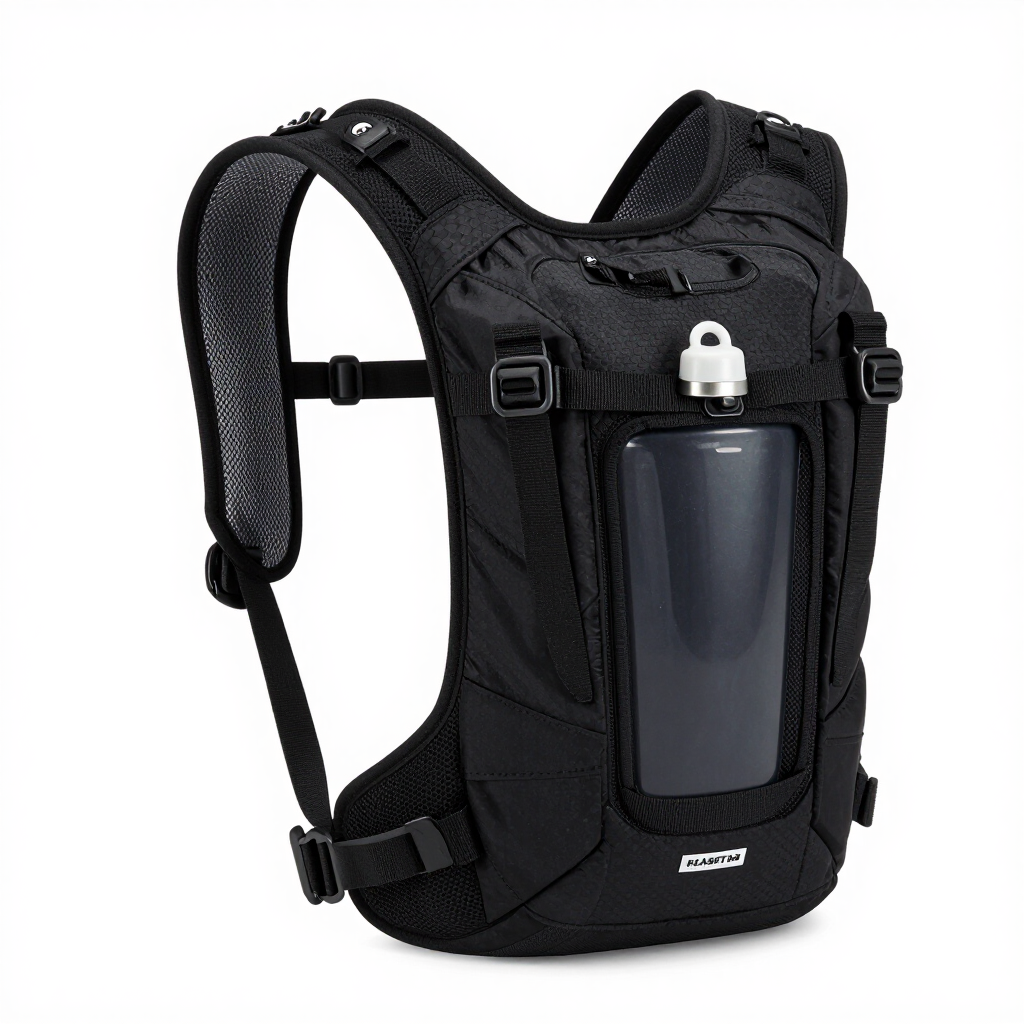
Hands-Free Hydration Pack
2L bladder with a bite valve so you can drink without stopping or digging through your bag.
 Bags
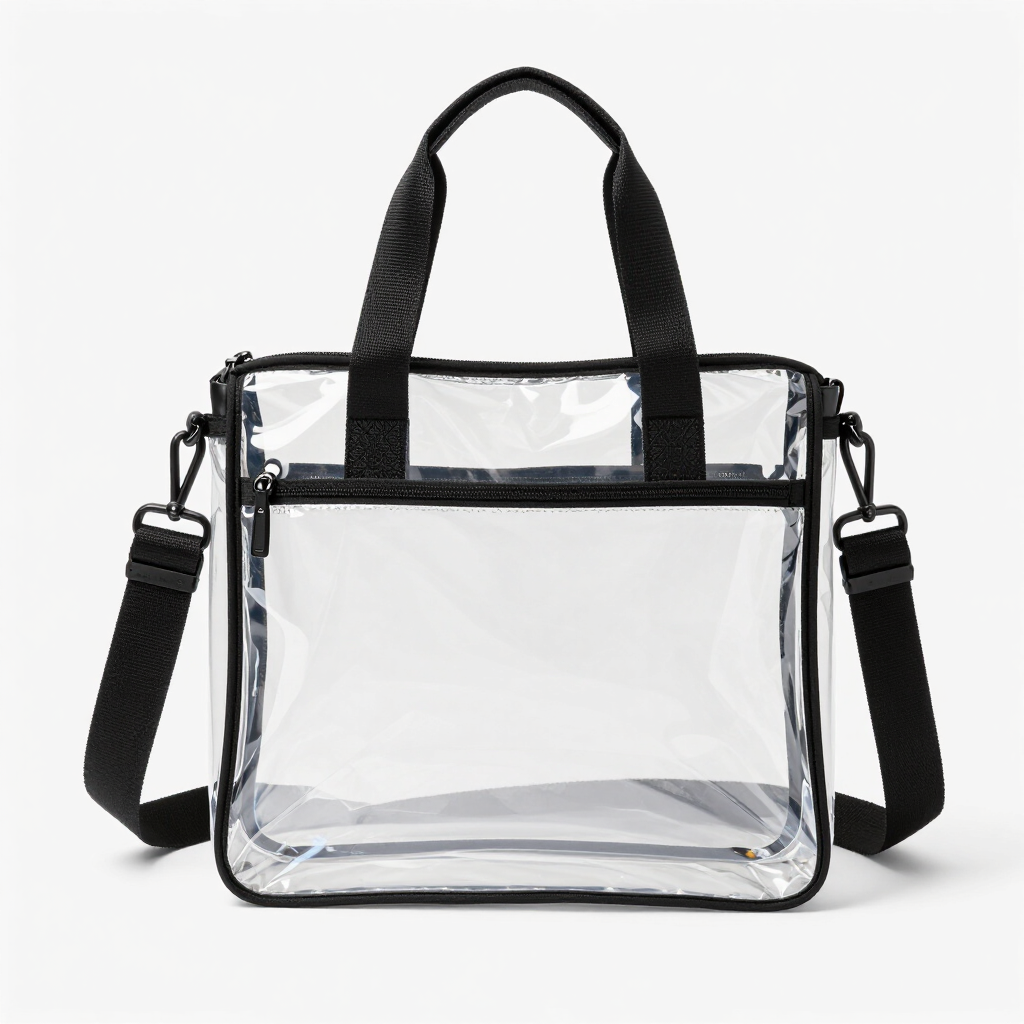
BagsClear Stadium-Approved Tote
Meets 12×6×12in clear-bag policies at stadium shows and speeds up security lines.
 Electronics
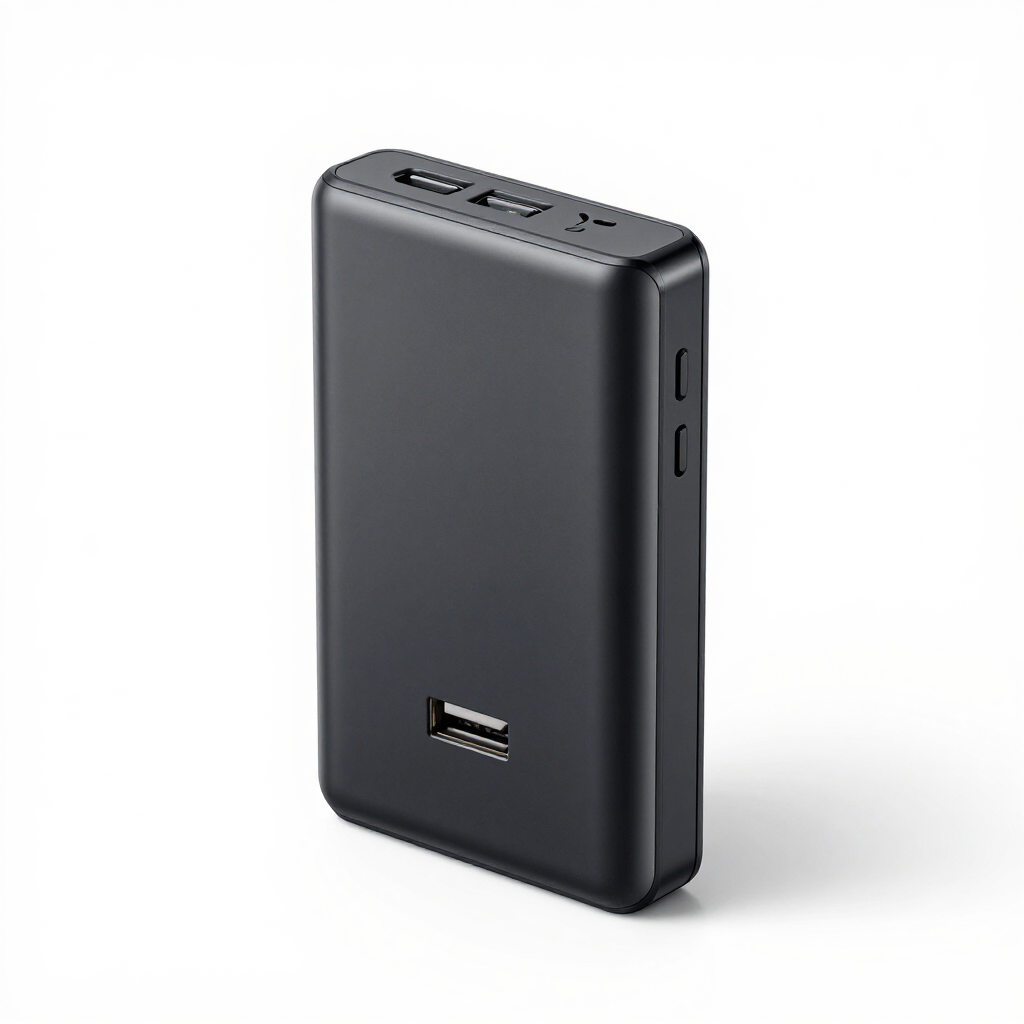
High-Capacity Portable Charger
10,000mAh power bank — enough for two full phone charges through a long festival day.
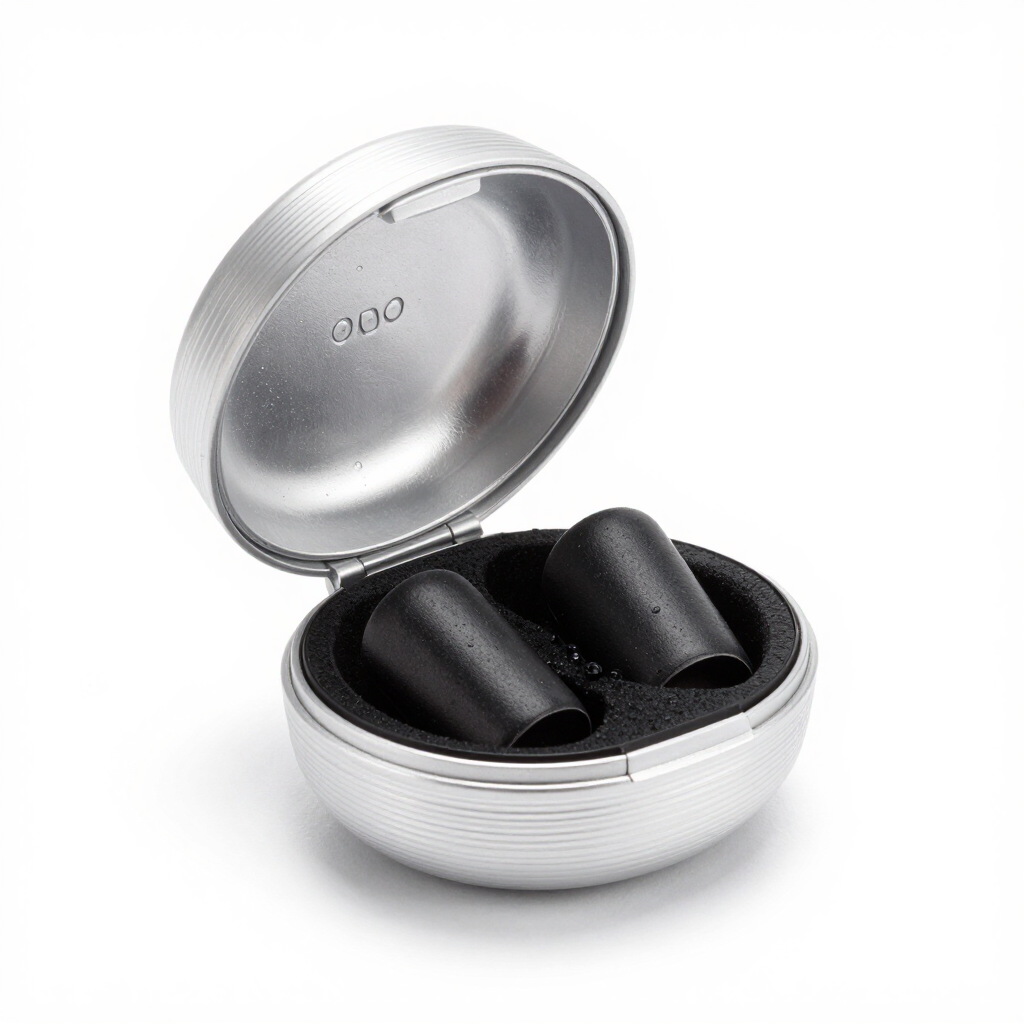 Hearing protection
High-Fidelity Concert Earplugs
Lowers volume without muffling sound, protecting your ears near front-of-stage speakers.
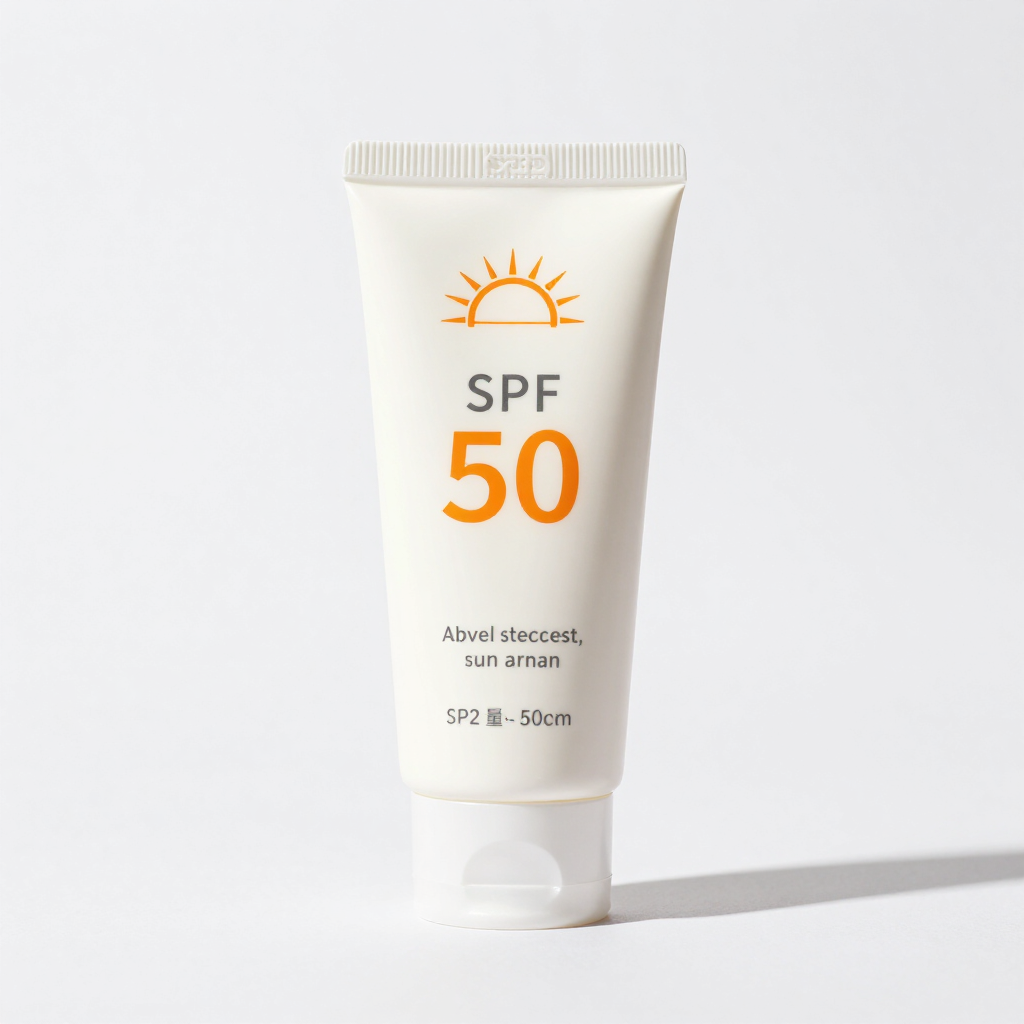 Sun protection
Travel-Size SPF 50 Sunscreen
Broad-spectrum, packable tube for reapplying every two hours at open-air stages.
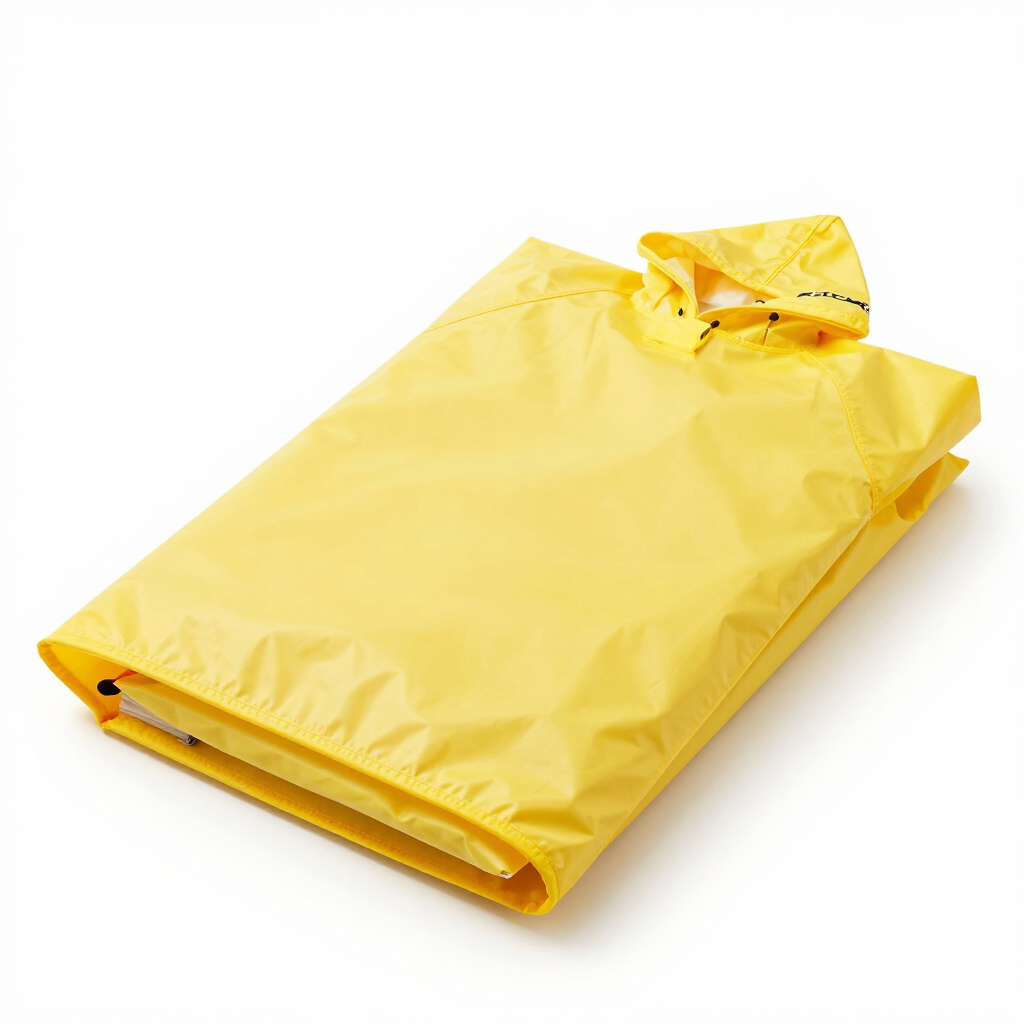 Rain gear
Packable Emergency Rain Poncho
Folds to pocket size — a compact backup that layers over your outfit without adding bulk.
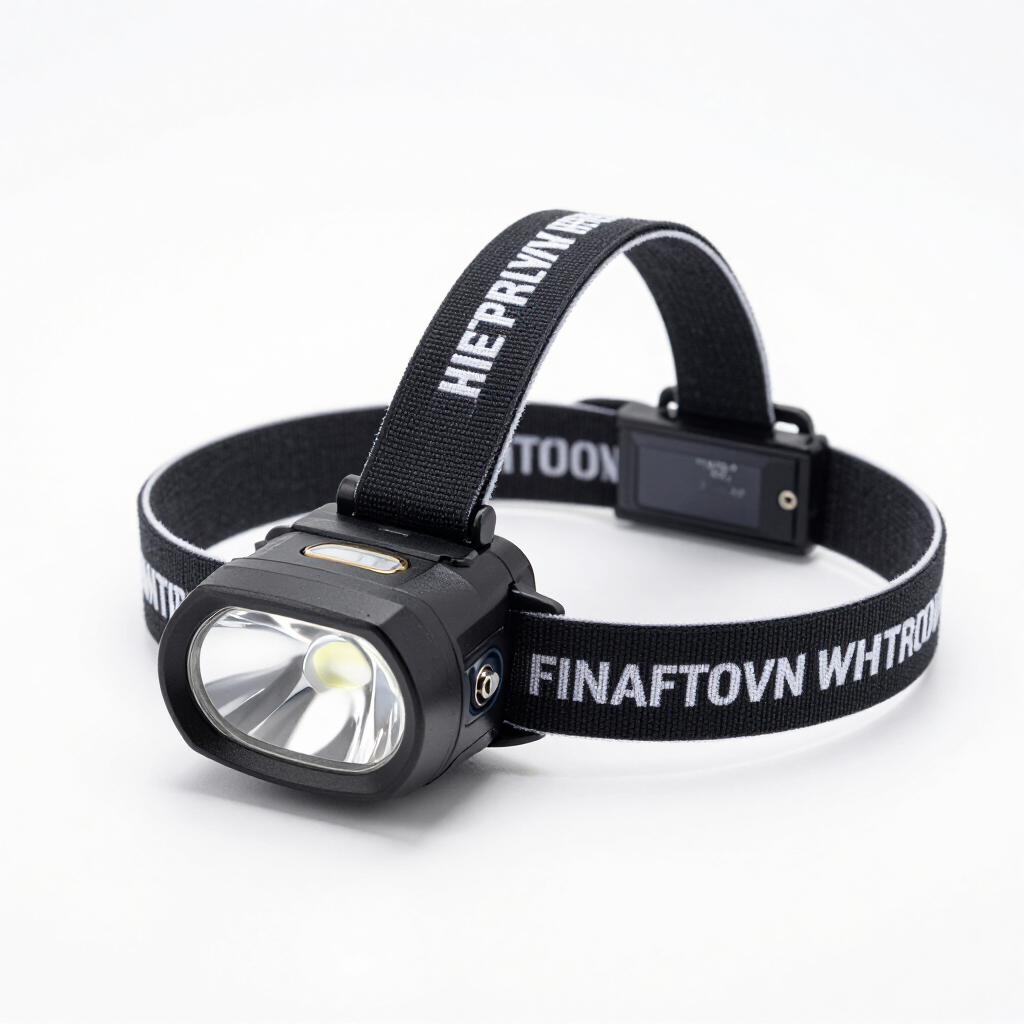 Lighting
Hands-Free LED Headlamp
Essential for night walks to stages, toilets, or your tent after dark at camping festivals.
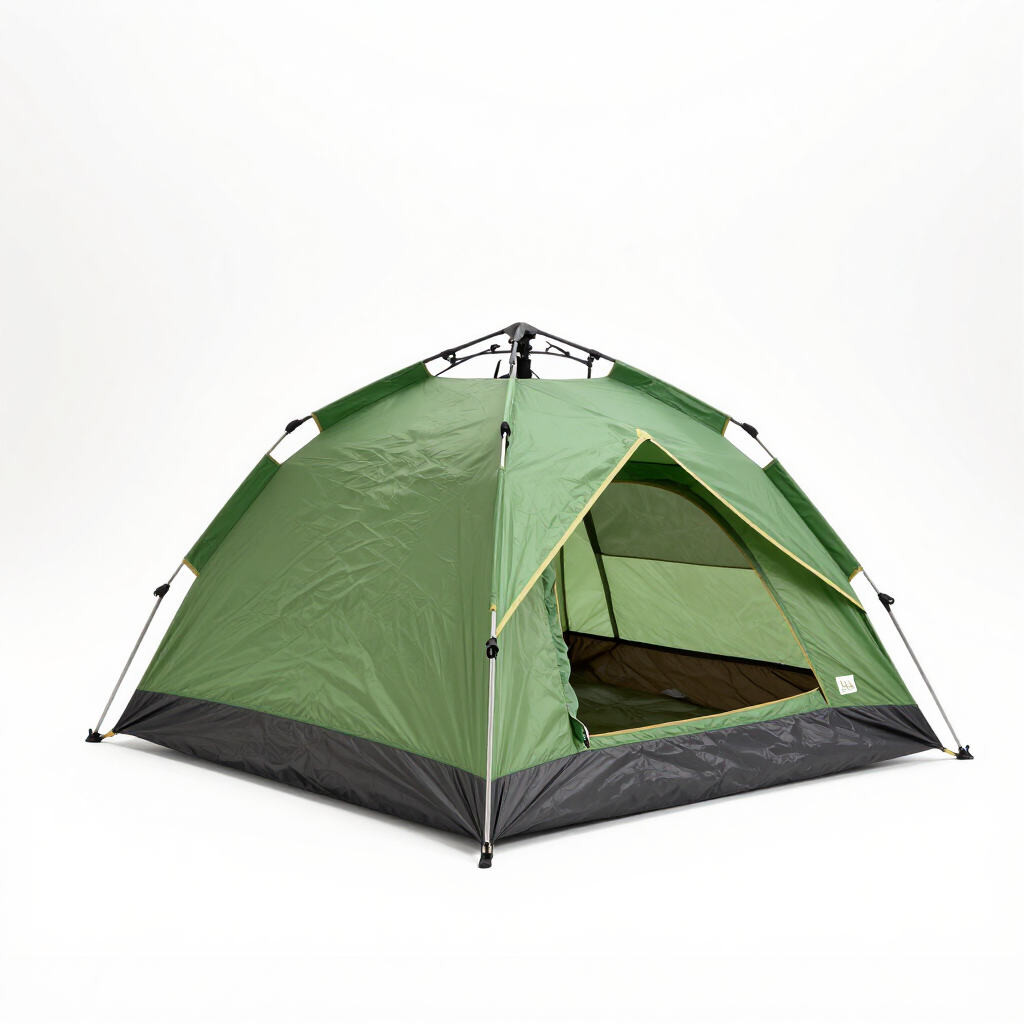 Camping shelter
2-Person Festival Tent
Lightweight double-skinned dome that blocks dawn sunlight and pitches in minutes.
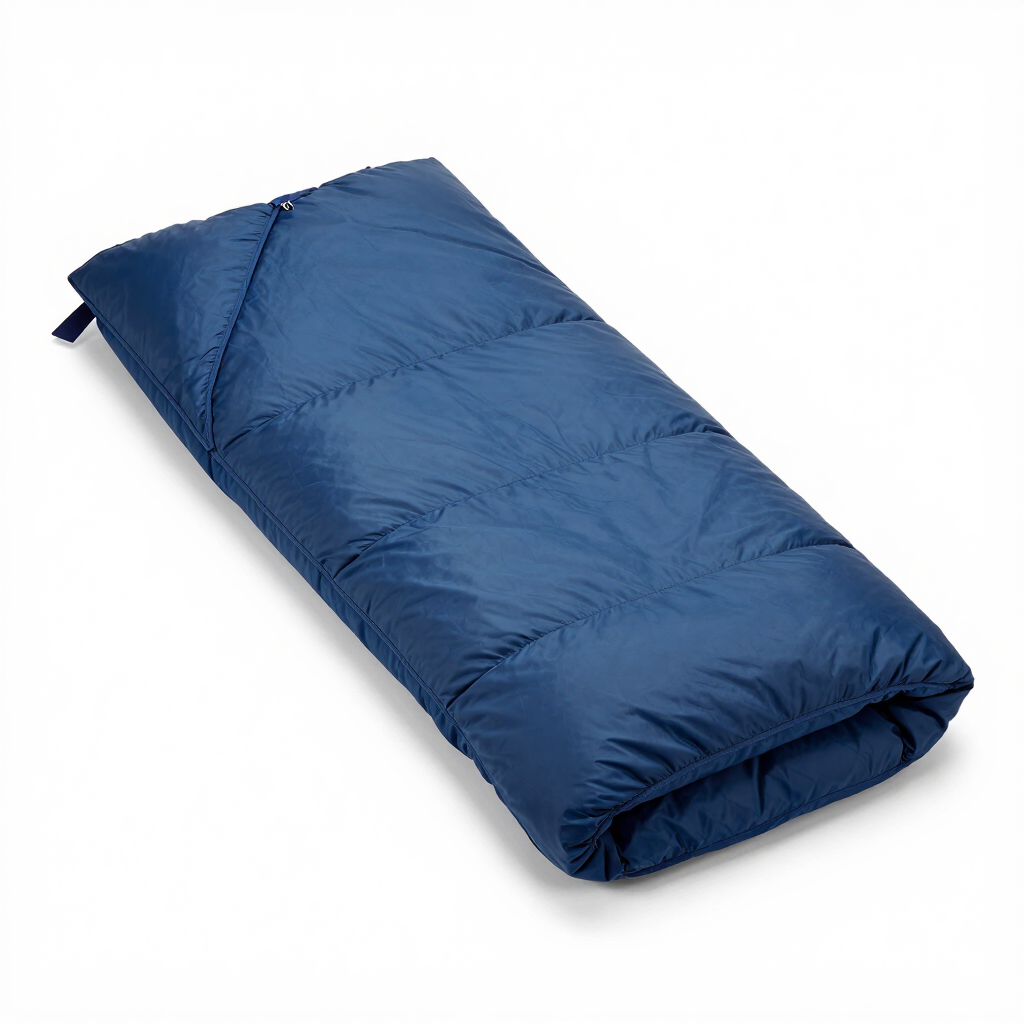 Camping sleep
Compact Warm-Weather Sleeping Bag
Light, packable bag rated for summer nights — pairs with a sleeping mat for real comfort.
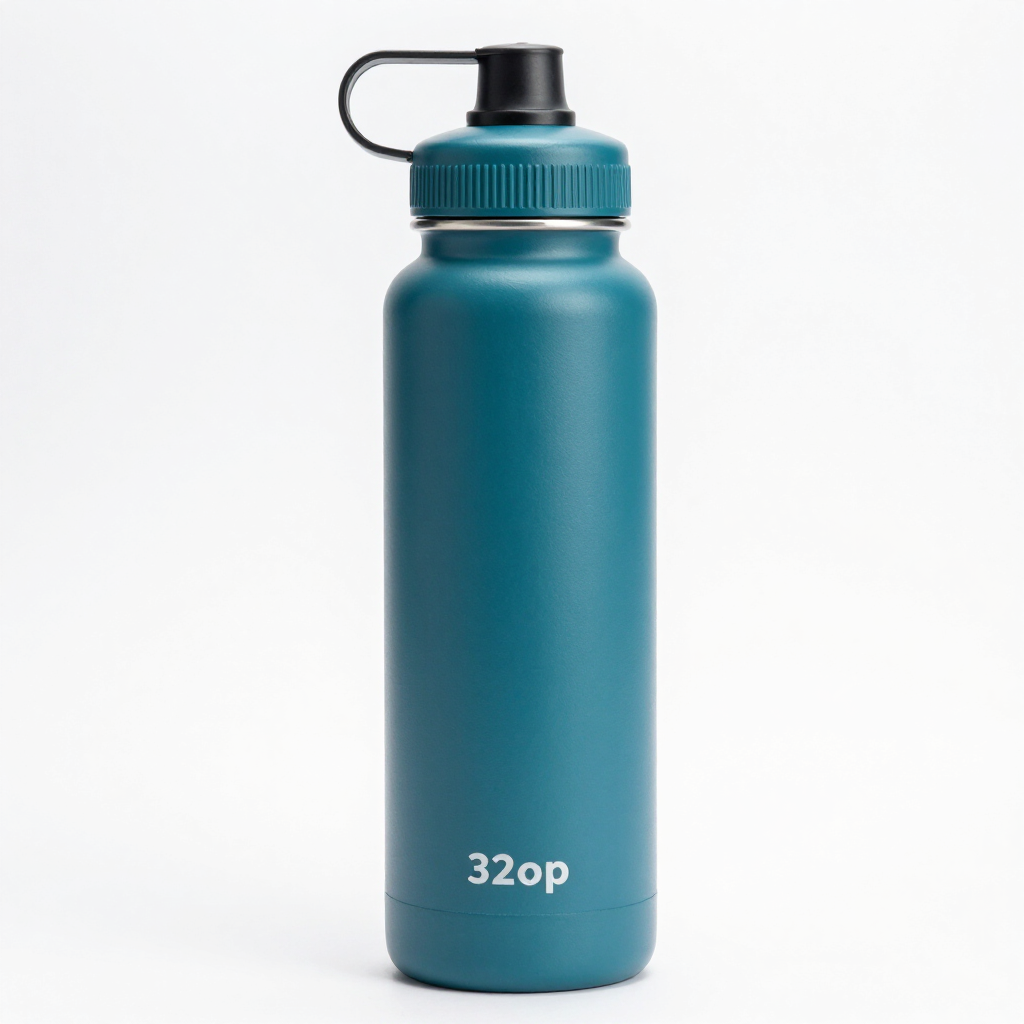 Hydration
32oz Leak-Proof Water Bottle
Durable reusable bottle — bring it empty through security and refill at free water stations.
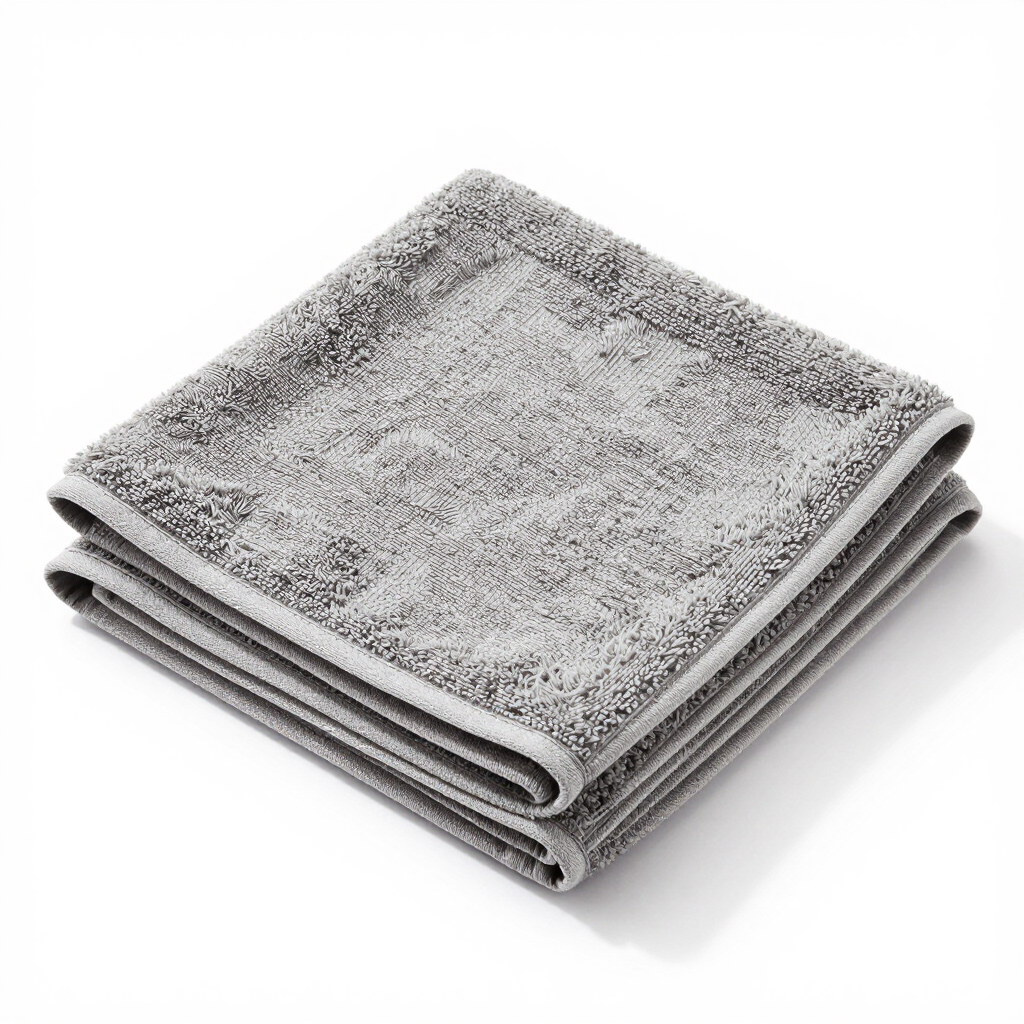 Toiletries
Quick-Dry Microfiber Towel
Packs tiny and dries fast — handy for campsite wash points and post-rain clean-ups.
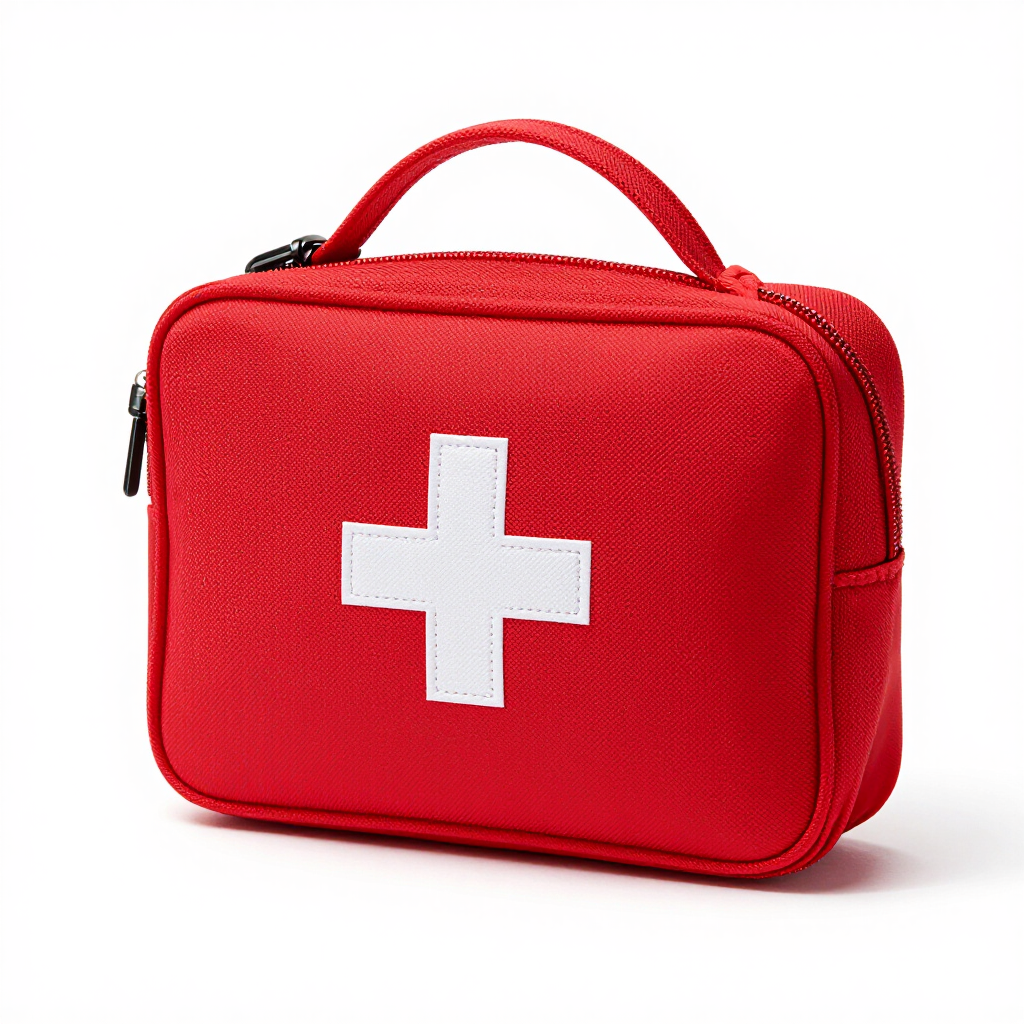 First aid
Compact Travel First Aid Kit
Plasters, blister patches, and pain relief in one small pouch for minor on-site issues.
As an Amazon Associate and affiliate, VewTopia may earn from qualifying purchases made through these links, at no extra cost to you. Affiliate relationships never determine which gear we recommend.
Questions
FAQ
These FAQs cover common questions that sit between our full packing guides, especially around edge cases and situations not covered in the main sections above. Each answer is written to stand alone for readers who land directly here from search. Answers are general — cross-check details like policies and weather with official and local sources before relying on anything below.
How early should I start packing for a camping festival?
Start a draft packing list two to three weeks before departure. This gives you time to borrow, buy, or order any missing camping gear without paying rush-delivery fees. Items like a high gsm sleeping bag or a good quality sleeping mat may sell out closer to popular festival weekends. Five to seven days before leaving, do a full gear layout and tent test-pitch in your garden or a nearby park. Check for missing pegs, broken zips, flat airbeds, and torn seams — discovering a problem the night before departure is stressful and often unsolvable. One to two days before travel, do a final repack: adjust for the latest weather forecast, check any updated festival rules on the event's official page, and confirm you have tickets and ID accessible. This three-stage approach catches most problems before they happen.
What is the safest way to carry money and ID at a festival?
Split your valuables. Keep a small amount of cash and one payment card in your day bag's internal zip pocket, and store a backup card and emergency cash hidden in your tent, locked car, or accommodation. Carry ID and payment cards in a flat internal pocket or a slim money belt worn under clothing, not in exterior pockets where they are easier to lose in a crowd. A bum bag with a zip closure is a practical middle ground. Take photos or secure digital copies of essential documents — passport, driving licence, travel insurance — stored in a locked phone note or secure cloud folder, but do not photograph full card numbers. If your wallet is lost, these copies speed up replacements and help at security.
How do I adapt my packing if I am flying to a festival?
Flying usually means stricter weight and liquid limits. Prioritise compact camping gear (lightweight tent, compressible sleeping bag), solid toiletries (shampoo bars, toothpaste tablets), and multi-use clothing layers that mix and match across days. Check airline rules on tent pegs (often allowed in checked bags, not carry-on), camping stove fuel (almost always prohibited on aircraft), and gas canisters — fuel and some sharp items must be bought on arrival. Use a single checked duffel or large backpack as your main bag and an under-seat personal item, like a small crossbody or packable day bag, that doubles as your festival day bag inside the venue. This keeps your luggage count low and your day bag ready from the moment you land.
What should I pack differently for a family-friendly festival with kids?
Bring extra weather protection and more clothing changes for children than you would pack for yourself — kids get wetter, dirtier, and colder faster. A spare set of warm, dry clothes stored in a waterproof bag at camp avoids meltdowns. Comfort items make a huge difference: ear defenders for loud stages, a sturdy stroller or wagon if the event allows them, and a large picnic blanket or mat for rest breaks between acts. Simple entertainment like colouring sets, small toys, or kid-friendly headphones help during queues or travel. Factor in bedtimes and naps when choosing a campsite location, pitching away from late-night stages, and for city festivals decide whether a full day is realistic with younger kids or whether a half-day attendance and an early exit is the smarter plan.
Is glitter still okay to bring if I want an eco-friendly festival weekend?
Even products labelled “biodegradable” glitter can contribute to microplastic-style pollution in practice. At outdoor festivals, glitter washes into temporary drainage systems and field soil where degradation timelines are much longer than lab conditions suggest. Switch to non-shedding alternatives: bold eye makeup, reusable face gems with skin-safe adhesive, or colourful hats and accessories that create a similar effect without the environmental cost. If you already own glitter, use it sparingly at home events rather than at campsites or outdoor venues where cleanup is harder and ecological impact is greater — many festivals are beginning to discourage or ban glitter outright, so check event guidelines before packing it.
Official sources
- Coachella — official “Know Before You Go” and bag policy page (verify annually at coachella.com)
- Lollapalooza — official FAQ and security guidelines (verify at lollapalooza.com)
- Glastonbury — information and camping guidance (verify at glastonburyfestivals.co.uk)
- CISA — Public Venue Bag Search Procedures Guide (cisa.gov)
- All time-sensitive details such as bag policies, camping rules, and prohibited items should be re-checked on official event pages shortly before publication and before each festival season
VewTopia may earn a commission if you book through links on this page, at no extra cost to you.
Affiliate-linked gear — including clear bags, hydration packs, tents, sleeping mats, and power banks — appears in dynamic cards placed after the editorial introduction and relevant guidance sections, not before them. Cards are supplementary to editorial content and never replace the advice in the surrounding sections. No raw merchant URLs are inserted in this hub; affiliate tracking is handled through the site’s existing link management system.
Last verified: July 2026
Example festivals’ official information, bag policies, and prohibited-items lists were reviewed against current-year sources as of July 2026. Always confirm specific festival policies, transport details, and ticket rules on official event sites before you finalise your pack.