
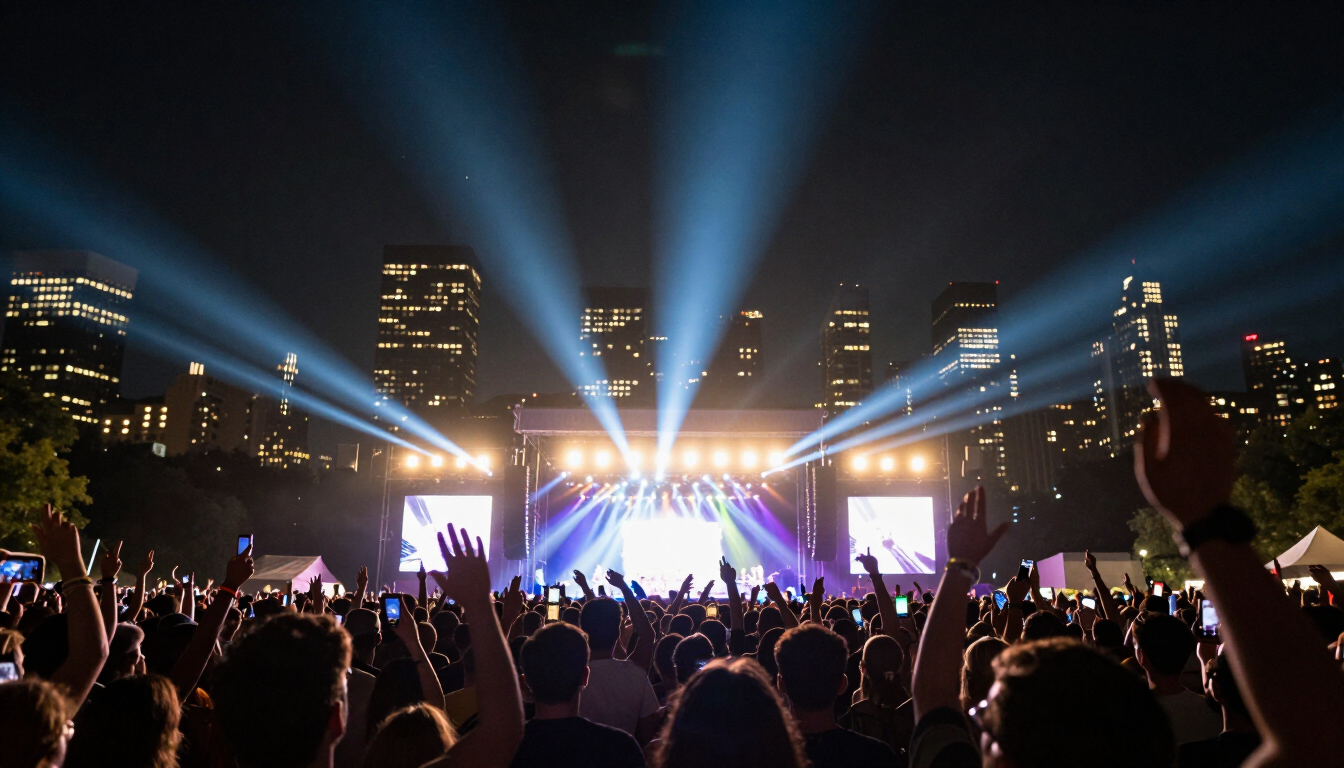
Start here
Key takeaways
This page is your starting point for choosing the best city for a festival or concert weekend. Whether you want arena rock, honky-tonk country, late-night electronic sets, or jazz in a dim basement club, the right destination shapes the entire trip.
- Six core music travel destinations — New York, Los Angeles, Las Vegas, Miami, Nashville, and Austin — each serve different genres, crowds, and travel styles. No single city wins across every category.
- Venue density, airport proximity, walkable hotel zones, nightlife depth, and local culture beyond the stage all factor into which city fits your weekend plan.
- VewTopia’s city guides break down each destination so you can compare before you book — covering venues, transit, neighborhoods, and seasonal peaks side by side.
- Festival dates, venue policies, and transit schedules shift regularly. Always verify time-sensitive details against official sources close to your travel dates. This page is tagged with a “last verified” date at the bottom for that reason.
Hero
Choose your next music travel destination
Most music travel destinations promise the same thing: an amazing time and non-stop sound. The difference is in the details — how many stages you can walk to, whether you need a car at midnight, and what happens after the encore.
This page compares six cities built for live-music weekends: New York City, Los Angeles, Las Vegas, Miami, Nashville, and Austin. Each city has a dedicated guide covering venues, hotel areas, airport logistics, and nightlife so you can plan beyond the ticket purchase. If you love music enough to build a trip around it, start here.
Quick answer: if you want non-stop nightlife and pool parties, start with Las Vegas or Miami. If you care most about iconic venues and deep culture, look first at New York or Los Angeles. For country, americana, or indie roots, Nashville and Austin deliver on a smaller, more walkable scale.
Every city link above connects to a deeper destination breakdown where you can explore neighborhoods, check seasonal calendars, and map out your itinerary day by day. For the full lineup of upcoming shows worth building a trip around, browse VewTopia’s festival guides alongside these city pages.
Criteria
What makes a great music city live-music destination
Not every city with concerts qualifies as a destination worth flying to for a weekend. The gap between “has shows” and “built for shows” comes down to a few measurable factors.
Venue density and variety set the floor. Austin holds roughly 46.4 live-music venues per 100,000 residents, one of the highest per-capita figures in the U.S. according to a Move.org analysis. Nashville, known as the Music City of the USA, packs more than 150 performance venues and over 120,000 seats into its metro area. Raw numbers matter, but so does range — a city needs intimate clubs, mid-size concert halls, and large arenas to cover different artists and audiences.
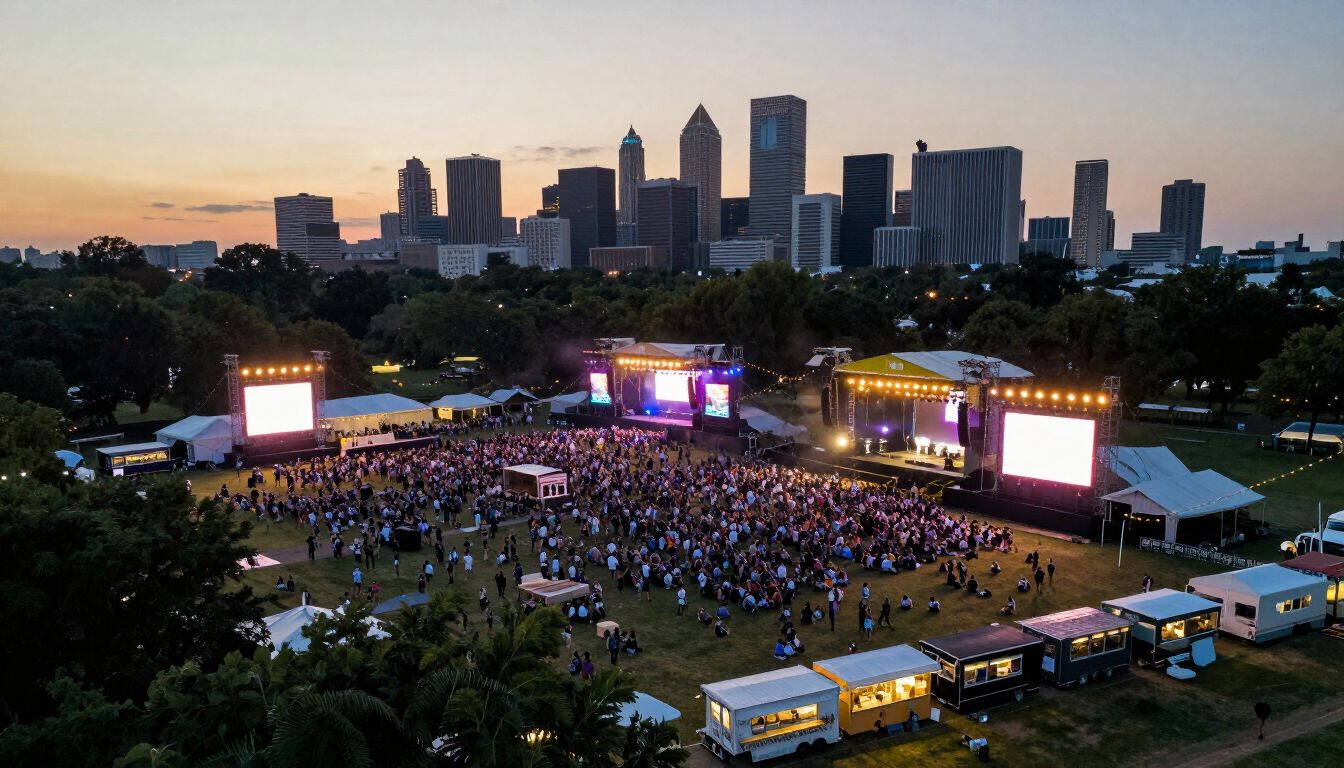
Festival calendar depth separates weekend-trip cities from year-round destinations. Music festivals have emerged as significant anchors for tourism worldwide. Barcelona draws crowds to northern Spain for Primavera Sound each spring, and the Ghent Festival in Belgium attracts around 2 million visitors annually, with a nearby Belgian town like Bruges often serving as part of that festival setting. Closer to home, Chicago hosts Lollapalooza, and Memphis hosts the annual Beale Street Music Festival along the famous Beale Street. Beyond the U.S., Vienna is renowned for its classical music heritage — the city where Wolfgang Amadeus Mozart composed and where the Vienna Philharmonic Orchestra still performs. London is frequently cited as a top global city for live performances, and Montreux, Switzerland is famous for the Montreux Jazz Festival.
Tradeoffs matter, too. Crowd levels spike during marquee events, summer heat punishes outdoor festivals in Las Vegas and Austin, and hotel rates near the busiest venues can double during peak weekends. Weather, cost, and crowd tolerance should all shape your pick. VewTopia evaluates destinations along these dimensions qualitatively, flagging who each city is — and isn’t — for.
Comparison
Featured destination comparison: where each city shines
Below is a high-level look at where each of the six priority hubs stands out. These comparisons are qualitative — based on venue types, genre strengths, and scene character rather than live price feeds. Specific festival dates and venue details should be confirmed on official sites before you commit.
For all-genre choice, New York City leads. Bandsintown’s 2025 High Notes Report named it the fastest-growing music fan city in the world, and the range backs that up: Madison Square Garden (roughly 20,000 capacity), Radio City Music Hall, Brooklyn Steel for indie rock, Harlem jazz clubs, and Broadway musicals running every night of the week. If you want to hear every genre in a single trip, New York is the must-visit destination. Los Angeles follows closely with SoFi Stadium, the Hollywood Bowl, the Walt Disney Concert Hall, and a deep indie club circuit across Silver Lake and West Hollywood.
For nightlife around venues, Miami and Las Vegas set the pace. Miami pairs South Beach clubs with downtown waterfront festival grounds — Ultra Music Festival returns to Bayfront Park each March. Las Vegas layers casino floors, Strip superclubs, dayclubs, and arena residencies into a single walkable corridor. Artists like Lady Gaga have made Vegas residencies a destination category of their own.
Nashville, Tennessee is considered the heart of country music and the best city for country and americana weekends. Lower Broadway honky-tonks run live bands from morning to past midnight, and Nashville is known as the Music City of the USA for a reason. The Ryman Auditorium seats about 2,362 for intimate shows, while Bridgestone Arena handles 20,000-capacity tours. Icons like Dolly Parton helped build this city’s fame, and you can still visit recording studios along Music Row where gospel, rock, and country songs have been cut for decades. See the full Nashville country music weekend guide for neighborhood picks.
Austin, called the Live Music Capital of the World, wins for indie and festival density. The Red River Cultural District and South Congress host live bands almost every night, and major events like SXSW and the Austin City Limits Music Festival anchor the calendar. See the full Austin festival and venue map for logistics. For beach-and-beats combinations, Miami’s oceanfront stages and year-round warmth are hard to match.
Worth noting: some visitors combine live music with theme parks — pairing a festival weekend in central Florida (Tampa hosts the popular Gasparilla Music Festival) with nearby attractions. That sits outside the six primary hubs but works as a hybrid city-resort trip.
| City | Airports | Transit | Hotels | Venues | Nightlife |
|---|---|---|---|---|---|
| Miami | MIA, FLL | Metrorail + Metromover, best near downtown | Wide range, budget to luxury | 6+ major venues | Beach clubs, rooftops, Latin lounges |
| Las Vegas | LAS | Strip monorail + rideshare | Dense, resort-heavy on the Strip | 8+ major venues | Casino clubs, day clubs, lounges |
| Los Angeles | LAX, BUR, LGB | Metro expanding; a car often helps | Wide range across neighborhoods | 10+ major venues | Sunset Strip, DTLA, Hollywood clubs |
| New York City | JFK, LGA, EWR | Excellent 24-hour subway | Dense, every budget | 12+ major venues | Clubs, lounges, live music bars |
| Nashville | BNA | Walkable downtown + rideshare | Growing range near Broadway | 5+ major venues | Honky-tonks, Broadway bars |
| Austin | AUS | Rideshare-first; limited transit | Downtown range plus east side | 6+ major venues | 6th Street, Rainey Street, patios |
Tool
Destination finder
Filter the six featured destinations by region, music style, season and trip type to narrow your shortlist, then open a full city guide for venues, hotels and transportation details.
6 of 6 destinations match.
Miami
Year-round festivals, waterfront venues and a nightlife scene built for event weekends.
Explore cityLas Vegas
Residencies, mega-festivals and walkable Strip hotels a short ride from most venues.
Explore cityLos Angeles
Sprawling scene from stadiums to intimate clubs, with festivals across the wider region.
Explore cityNew York City
The densest venue map in the country, all reachable on a 24-hour subway.
Explore cityNashville
Live music every night downtown, with festivals and a compact, walkable core.
Explore cityAustin
Self-styled live music capital, anchored by major spring and fall festivals.
Explore cityTrip style
Choose by trip style: match the city to your weekend plan
Not every music lover wants the same weekend. Here’s how to match your style to the right city.
All-night clubbing and pool parties. Las Vegas and Miami are purpose-built for this. Vegas dayclubs open by noon, Strip nightclubs run past dawn, and the rhythm rarely stops. Miami adds warm-weather outdoor stages and electronic-heavy lineups — Ibiza hosts major music festivals every summer for a similar vibe across the Atlantic, but Miami delivers that energy without a passport. Electronic music events and underground venues are also prominent in Berlin for those willing to explore Europe.
Iconic arenas and theater shows. New York and Los Angeles give you access to the widest tour routing in the country. Most major artists perform in both cities on every tour cycle, and you can often catch a show any night of the week. Stevie Wonder, for example, has graced stages in both cities across a career spanning decades, and audiences in these towns expect world-class performances.
Country and americana weekends. Nashville and Austin share this territory. Nashville leans traditional — honky-tonks, songwriter rounds, the Grand Ole Opry, and the kind of bar where a house band can carry the room for hours. Austin mixes country with indie, folk, and rock, and students and young musicians keep the scene affordable and experimental. Memphis is famous for its blues music scene on Beale Street, and its history as the birthplace of rock and roll and rhythm and blues adds depth to any southern music journey. American music runs deep through all three cities.
Beyond the six hubs
Jazz, funk, roots and global music adventures
New Orleans is famous for its vibrant jazz scene and is renowned for its jazz heritage. The city is the birthplace of jazz itself, and you can hear live performances on almost every block of the French Quarter. Ireland’s pubs often feature live traditional tunes, and Cuba’s music scene features live bands in Havana’s public spaces — but domestically, New Orleans stands alone.
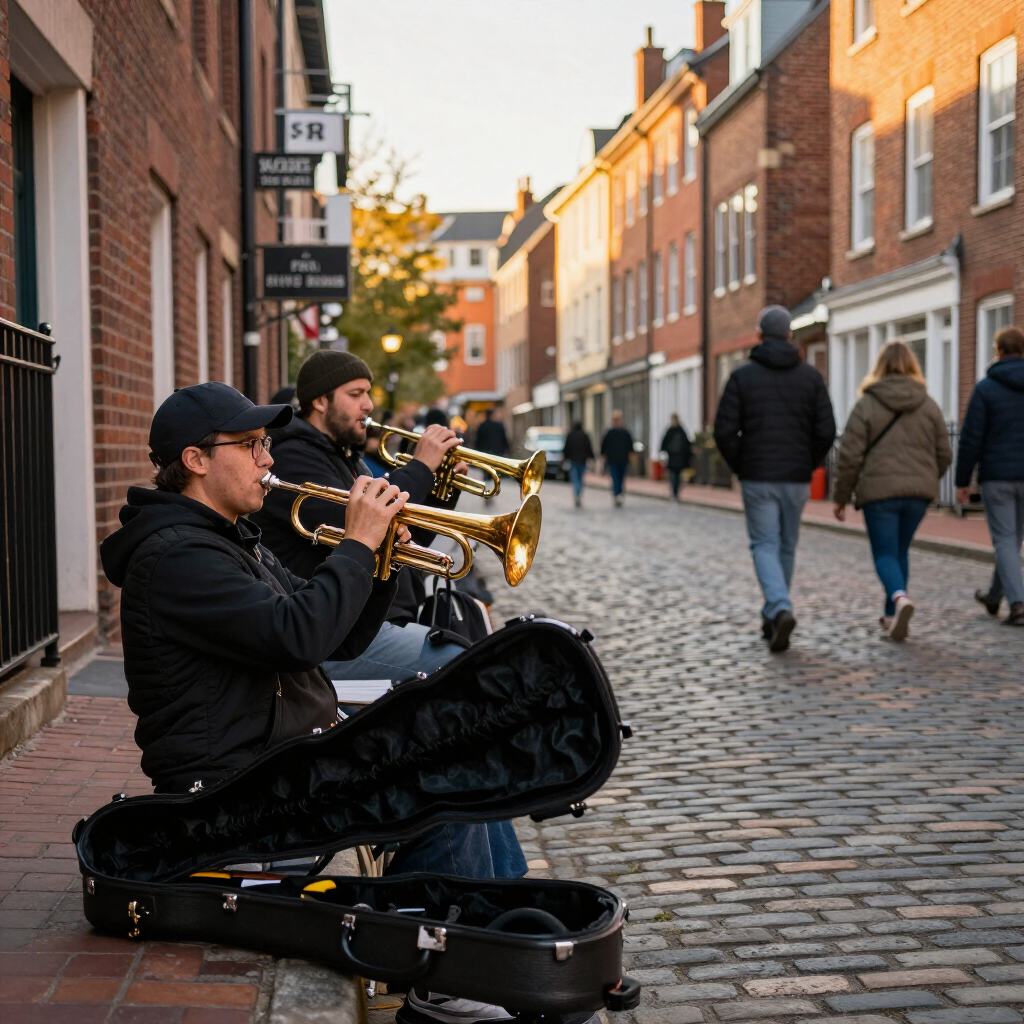
Global music adventures sit outside our six-city hub but represent fantastic options for travelers ready to explore the wider world of music culture. Seoul, South Korea is a top spot for K-pop and modern music. Carnival in Rio de Janeiro features vibrant music and dance. Flamenco originated in Seville, Spain, combining music and dance. Fado music is a soulful genre from Portugal, and the Reggae Sumfest occurs annually in Jamaica every July.
If you already have tickets and need fast logistics for a short-haul trip, check VewTopia’s concert-travel checklist for packing tips, pre-show planning, and day-of logistics. Chicago hosts performances at the historic Navy Pier and works well as a quick-hit concert trip from much of the Midwest.
Logistics
Airport and transportation considerations
On a tight music weekend, a bad airport transfer can cost you an opening act or a dinner reservation. Knowing which airport to fly into — and how you’ll move once you land — saves hours. Here’s the breakdown by city:
| City | Airport(s) | Car-free friendly? | Key note |
|---|---|---|---|
| New York | JFK, LGA, EWR | Yes | Subway runs near-24/7 on some lines |
| Los Angeles | LAX, BUR | Limited | Venues spread wide; rideshare or rental practical |
| Las Vegas | LAS | Yes (Strip) | Walking + short rides cover most shows |
| Miami | MIA, FLL | Moderate | Downtown close to MIA; South Beach needs transit |
| Nashville | BNA | Yes (Downtown) | Lower Broadway walkable from most downtown hotels |
| Austin | AUS | Mostly | Downtown/Red River walkable; festival shuttles for ACL |
You can stay car-free with central hotels in New York, on the Las Vegas Strip, and in walkable parts of Austin and Nashville. Los Angeles almost always requires rideshares or a rental — venues in Hollywood, Inglewood, and DTLA can be 30+ minutes apart depending on traffic.
Special situations to plan around: rideshare surge pricing after stadium shows, road closures during big festivals, and reduced late-night transit service in cities like LA. If your schedule allows, flying into a secondary airport (BUR instead of LAX, or FLL instead of MIA) can shave time and stress. Verify late-night transit options and rideshare pickup rules on official city transit sites close to your travel dates.
Where to stay
Where hotel location matters most
Hotel location can make or break a music weekend. When shows end late and transit thins out, a 30-minute ride back to your room feels much longer than it sounds.
VewTopia may earn a commission if you book through links on this page, at no extra cost to you.
In New York, Midtown puts you near Madison Square Garden and Broadway; Downtown Brooklyn works for Barclays Center and the Williamsburg club scene. For Los Angeles, Hollywood or DTLA keeps you closest to the densest venue clusters, though Inglewood-adjacent stays matter if your show is at SoFi Stadium. On the Las Vegas Strip, nearly everything is walking distance — but resort and parking fees add up fast, so factor those into your nightly rate.
Miami splits between South Beach (clubs, beach stages) and Downtown/Brickell (closer to Bayfront Park festival grounds). Nashville’s Lower Broadway area is the obvious pick for walking to honky-tonks and arenas. In Austin, Downtown near the Red River Cultural District or South Congress gives you the best access to nightly live music and festival grounds.
Tradeoffs exist everywhere. Staying right on the busiest strips means noise — great if you want to hear music around the clock, less great if you need a quiet night. Booking a block or two off the main drag often gives you a quieter room and a lower rate with only a few extra minutes of walking. Confirm walking times and safety info with recent maps, especially for late-night routes.
Format
Music festivals vs. concert weekend destinations
The distinction between a festival city and a concert city shapes how you plan, pack, and recover. Festival cities organize around multi-day, multi-stage events that anchor entire weekends. Austin City Limits Music Festival is a key event in Austin’s music scene — scheduled for October 2–4 and October 9–11, 2026, with confirmed headliners including Charli XCX, Rüfüs Du Sol, and Lorde. SXSW runs March 12–18, 2026 with hundreds of showcases across dozens of Austin venues. Ultra Music Festival returns to Miami’s Bayfront Park March 27–29, 2026. Festival weekends demand proximity to grounds, early arrival, and built-in recovery time.
Concert cities deliver consistent access to touring artists and local acts year-round without depending on a single event. New York and Los Angeles fit this profile — there’s a show worth seeing every night, any week of the year. Nashville splits the difference: its honky-tonk and songwriter scene runs nightly, but major country music festival periods spike the energy (and hotel rates) several times a year.
Your planning changes with the format. For festivals, prioritize hotels near the grounds and budget extra days for rest. For concert weekends, you can spread your itinerary across neighborhoods and mix in local arts, food, sightseeing, or even a short daytime course. Live Nation’s Q1 2026 report showed ticket sales up 11% year-over-year with over 107 million tickets sold — demand is strong across both formats.
Festival lineups, capacities, and age limits change annually. Always check official festival sites before booking. Theme parks occasionally host concert series and music events; treat those like hybrid city-resort trips with separate logistics.
Methodology
How the destination guides are researched
VewTopia’s city pages are editorial and independent. They exist to help you plan smarter trips, not to push a single booking platform.
The research process follows concrete steps: reviewing official airport and transit authority sites for codes, schedules, and service patterns; checking venue calendars and policies directly; mapping hotel zones relative to venue clusters; and scanning city tourism-board information for neighborhood context and seasonal considerations.
Data like airport codes, neighborhood names, and public-transit details are fact-checked against primary sources and tagged with “last verified” dates, which must be updated before each publication cycle. We avoid calling any destination the “cheapest” unless we have current, cited data. We keep recommendations qualitative when price data is volatile, and we do not claim personal attendance at specific festivals or hotels unless the writer has documented that experience.
Use multiple city guides side by side to decide where to go next. Each page is built to stand alone, but comparing two or three destinations at once is where the real clarity comes.
Stay ahead of big announcements
Festival calendars, venue openings, and airline routes change constantly. Pick a shortlist of two or three cities now, then watch for lineup drops, new residencies, and big tour announcements before committing. VewTopia is an independent event-travel destination guide, built to help you match the right city to the right weekend, every time.
Questions
Destination FAQ
These questions cover practical decisions not fully addressed in the sections above.
When is the best time of year to plan a live-music weekend?
It depends on the city. Spring and fall are the sweet spots for New York, Los Angeles, and Austin — comfortable weather and stacked calendars. Las Vegas and Miami are best in late spring or autumn to avoid peak summer heat and humidity. Nashville runs strong year-round but spikes during major country festivals in summer and fall. Check festival calendars six to twelve months ahead and verify dates with official sources, since lineups and schedules can shift.
How far in advance should I book hotels and flights for major festivals or tours?
For major concerts, three to six months ahead typically secures reasonable rates. For flagship festivals or holiday-weekend events, six to twelve months is safer — popular weekends sell out hotel inventory fast. Watch venue and festival announcements, then lock in once dates are firm. Flexible cancellation policies help if lineups or dates change, but always confirm cancellation terms directly with airlines and hotels.
Do I need a car for a music weekend in these cities?
Likely not for central stays in New York, on the Las Vegas Strip, or in walkable parts of Austin and Nashville. Los Angeles almost always benefits from a car or frequent rideshares due to its spread-out geography. Factor in resort parking fees, rideshare surge pricing after big shows, and late-night transit availability when deciding. Plan your itinerary around one or two venue clusters to minimize transit time.
Can I combine live music with other sightseeing on a short trip?
Absolutely. In New York and Los Angeles, the right mix of museums, neighborhoods, and shows can stay with travelers long after the trip. Las Vegas has shows, casinos, and dining beyond music. Miami offers beaches. Nashville and Austin deliver rich food scenes and history. Arrive at least one day before your main show to recover from travel and explore, and keep daytime plans light on show days, especially in hot-weather cities.
How do I avoid burnout from noise and crowds if I love music but not chaos?
Choose hotels slightly off the busiest nightlife strips, and ask for higher floors or interior-facing rooms. Pack earplugs or noise-masking headphones for sleeping. Target seated theater concerts or earlier showtimes instead of standing-room clubs. If you prefer smaller crowds but still want strong live-music options, visit during shoulder-season weekends without the biggest festivals on the calendar.
Official sources referenced
Major airport websites (JFK, LAX, LAS, MIA/FLL, BNA, AUS) for codes, terminal info, and ground transportation; local transit authorities — MTA (NYC), Metro (LA), RTC (Las Vegas), Miami-Dade Transit, WeGo (Nashville), Capital Metro (Austin); city tourism boards — NYCgo, Discover Los Angeles, Visit Las Vegas, Greater Miami CVB, Visit Nashville, Visit Austin; and official venue sites — Madison Square Garden, Ryman Auditorium, SoFi Stadium, Bayfront Park, ACL Festival, SXSW. All time-sensitive information includes a “last verified” date.
Last verified: 19 July 2026
For airport codes, transit details, and major venue information. This date is updated whenever time-sensitive facts — such as festival dates, transit service patterns, or venue policies — are rechecked against official sources, with re-verification prioritized before peak booking periods: late winter for spring festivals, late summer for fall tours.