
Start here
Key Takeaways
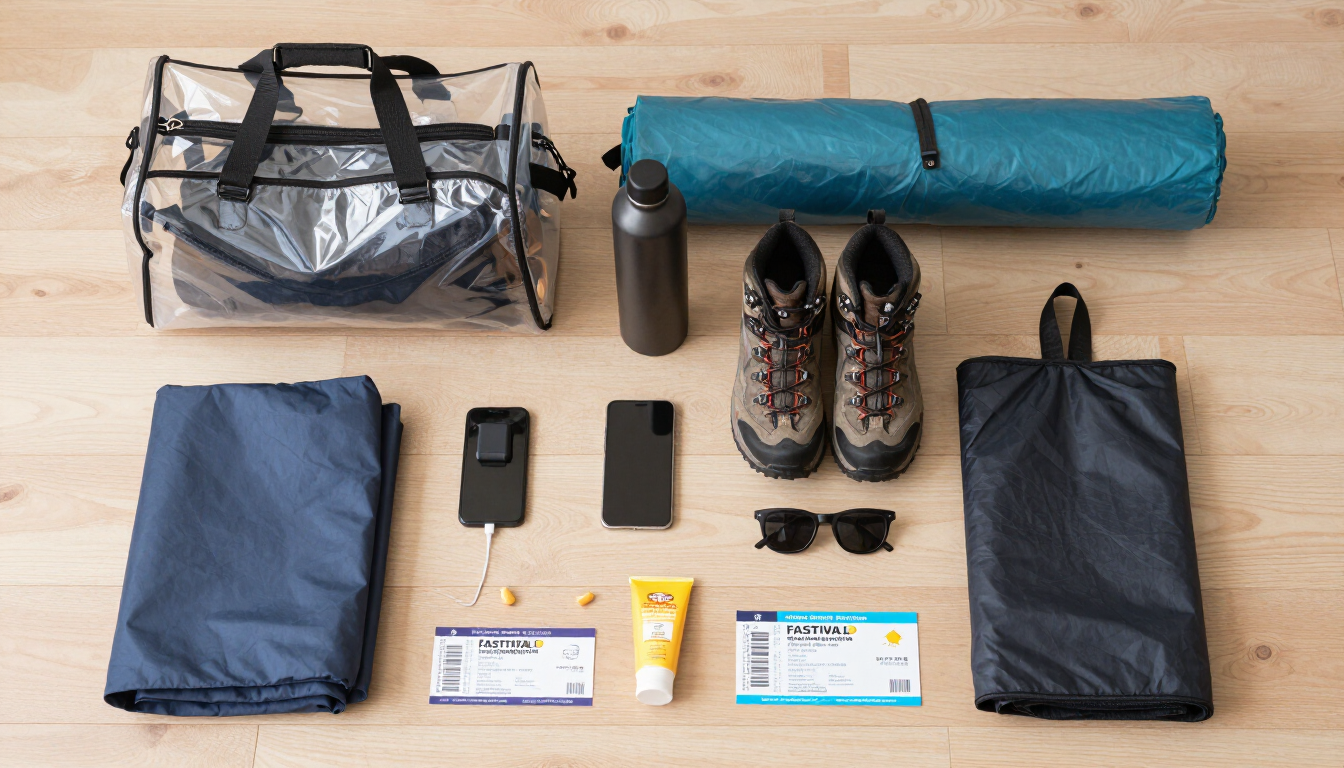
- Your non-negotiables are documents, a compliant bag, water, sun protection, hearing protection, and a way to keep your phone charged — nail these first and the rest is comfort.
- Almost every large festival enforces a clear-bag policy, usually 12"×12"×6" or smaller, so choose your carry around the rules before style.
- Pack for the whole weather arc, not the forecast high: sun, rain, dust, and cold nights can all happen in one weekend.
- Camping festivals need a full second layer of gear — shelter, sleep system, lighting, and simple meal prep — while day events stay lean.
- Less but better wins: multi-use items, broken-in shoes, and a certified power bank beat a heavy "just in case" pile.
Whether this is your first event or your fifteenth, the goal is a repeatable system. Bookmark this page and pair it with our festival packing strategies so you can refine one master list you reuse trip after trip instead of starting from a blank page every season.
At a glance
Quick Facts & Planning Snapshot
Festival capacity
City events draw tens of thousands per day; major camping festivals host 100,000+ across a weekend
Ticket pricing
Single-day passes often run lower; multi-day and camping-inclusive tiers cost more with add-on parking and camping passes
Hotel costs
Nearby hotels surge on event weekends; camping on-site can be cheaper but demands a full gear kit
Flight options
Flying limits fuel and oversized gear; buy or rent bulky camping items near the festival instead
Transportation
Shuttles, rideshare, transit, and driving with a parking pass; expect congestion at entry and exit
Timing
Arrive 2–3 hours before headline sets for camping setup and security; front-of-stage sound runs 90–110 dBA
Decision framework: first decide day event versus camping festival, then whether you are driving or flying, and finally what the weather is likely to do — those three choices drive nearly every packing decision. Comparison categories: weigh price versus longevity, weight versus comfort, and a minimalist kit versus a full-camp setup for each item. Budgeting approach: separate one-time gear investments (tent, bag, charger) from per-trip consumables (sunscreen, snacks, batteries) so you know what carries over to the next festival.
Audience
Who This Guide Is For
This list is built for anyone attending a music festival in 2026, from a first-time day-tripper to a seasoned camper who wants a tighter kit. If you have never been, it gives you a complete starting point so you do not forget the essentials that make or break a first event. If you go every year, it works as a checklist to trim excess and catch the small items that always seem to get left at home.
It also flexes by travel style. Drivers can bring more gear and coolers, while flyers need to think about batteries, liquids, and fuel restrictions. Groups can share bulky items like tents and shade structures, while solo attendees benefit from a lean, easy-to-carry setup. New attendees may want to start with our first-time festival guide for the bigger-picture basics before diving into gear specifics, and everyone can adapt the sections below to match their event, budget, and comfort priorities.
Our approach
Selection Criteria: How We Chose Festival Gear
We built this list around what actually clears entry, survives a long weekend, and earns its place in a limited-space bag. Every recommendation weighs four things: rule compliance with posted festival policies, durability across multi-day use, weight and packability, and real-world comfort over long days on your feet.
We prioritized items that meet common clear-bag size limits and battery rules, favored multi-use gear over single-purpose extras, and flagged categories where safety matters most — hydration, sun, hearing, and power. Where product types matter, we describe the kind of item that fits rather than chasing a single brand, so the advice holds up as models change. The methodology section at the end explains our research process in more detail.
Fast reference
Quick Checklist: Your Festival Essentials at a Glance
Absolute entry essentials (do not leave without these):
- Festival ticket or wristband, saved offline
- Government-issued photo ID
- Phone
- Wallet with a card and some cash
- Car keys or transit card
On-body main stage essentials:
- Clear bag that meets venue size rules
- Reusable water bottle (empty at entry if required)
- Sun hat
- SPF 30+ sunscreen
- Lip balm with SPF
- Sunglasses
- High-fidelity earplugs
- Portable charger and cable
- Basic meds
- Mini hand sanitizer
- Lightweight rain jacket or poncho
Optional comfort upgrades:
- Compact blanket or sit pad
- Light scarf or bandana
- Small misting fan or portable fan
- Cooling towel
- Travel-size wet wipes
- Hair ties
- Extra layers
- Tiny first-aid pouch
Non-negotiables
Documents and Tickets: Non-Negotiables for Entry
Nothing else matters if you cannot get through the gate. Keep your festival ticket, QR code, or wristband accessible offline, since cell networks near the entrance are often overloaded and a live download can fail at the worst moment. Alongside the main ticket, gather any parking pass, camping pass, shuttle passes, and VIP credentials your order includes so you are not digging through email in line.
Bring a government-issued photo ID, and if you are traveling, keep flight confirmations and hotel confirmations handy along with printed directions or offline maps. A waterproof document pouch protects paper items from rain and spills. Photograph your key documents and back them up to a cloud account so you have a copy if something is lost. If you take prescription medication, carry it in its original packaging to avoid questions at security. For a deeper walk-through of pre-trip logistics beyond documents, new attendees can lean on our first-time festival guide.
Dress for the long haul
Clothing and Footwear: Dress for Long Days and Changing Weather
Festival weather rarely holds steady, so pack for the full arc of a day. A workable base is two to three breathable t-shirts or tank tops, one to two pairs of quick-dry shorts, at least one long-sleeve shirt, lightweight leggings, and sleepwear if you are staying over. Bring moisture-wicking socks and underwear for each day plus a spare, since dry feet are the difference between comfort and misery.
Layer up for surprises: a packable rain jacket or poncho, a warm layer like a hoodie or fleece, a brimmed hat or cap, and a scarf or bandana to guard against dust. A compact down or synthetic jacket handles cold nights without hogging space. Footwear is the most important choice — wear comfortable, broken-in shoes, add optional waterproof boots for muddy grounds, and toss in cheap flip flops or slides for showers and campsite downtime.
Getting gear in
Bag and Carry: Clear Bags, Daypacks, and Getting Gear to Camp
Your carry strategy has to start with the rules. Almost every large festival enforces a clear-bag policy, commonly 12"×12"×6" or smaller, and often allows a small non-clear fanny pack or clutch under roughly 6"×9". Hydration packs are sometimes permitted, so check the specific event policy before you rely on one. For the main stage day bag, a 15–25L capacity daypack with a breathable back panel, a sternum strap, side pockets, internal organization, and durable zippers covers most needs.
Getting gear to a campsite is a different problem. Duffel bags with backpack straps carry soft goods well, and collapsible wagons or festival trolleys move heavy loads across long walk-ins. Pack heavier items low and close to your body to keep the load stable. If you are still deciding on carry options, compare styles in our guide to the best festival bags and carry options before you buy.
VewTopia may earn a commission if you book through links on this page, at no extra cost to you.
Vewtopia is independent. Some product links below are affiliate links and are clearly labeled; we may earn a commission at no extra cost to you.
Product-style picks:
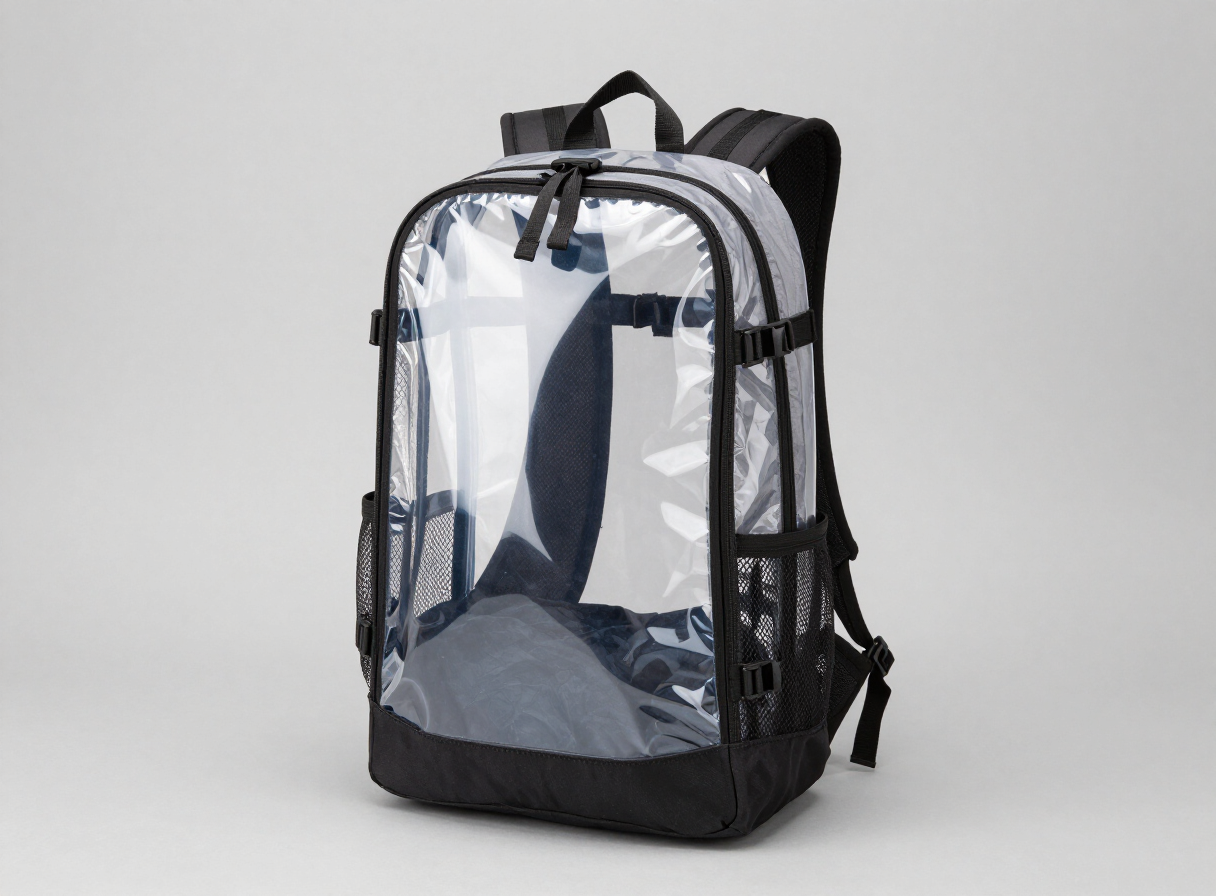
Best for budget
A 20L clear-panel daypack with minimal padding and no hip belt — meets clear-bag rules cheaply for day events.
Check Price Now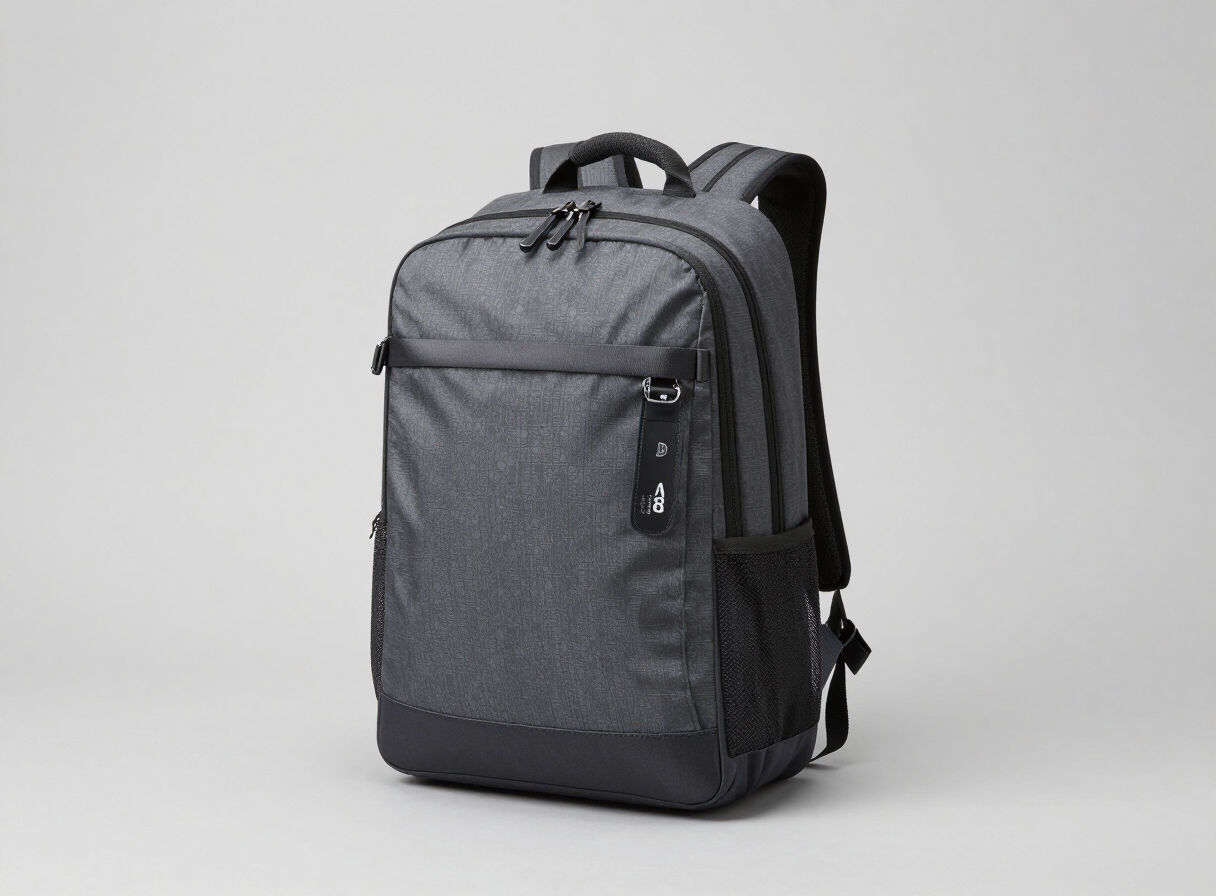
Best for flying
A compressible 18L carry-on pack that fits under airline seats, with fewer pockets to keep weight and bulk down.
Check Price Now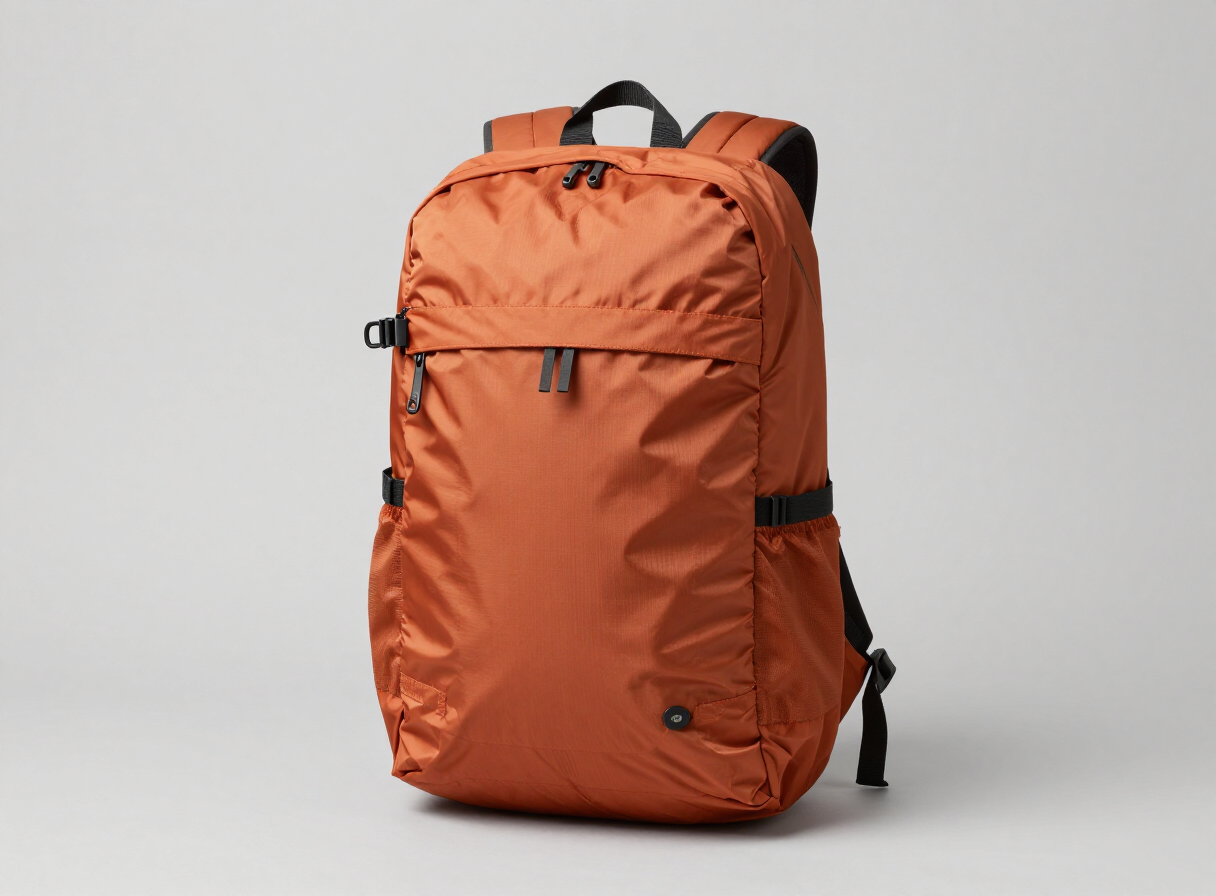
Best for ultralight daypackers
A sub-300g sil-nylon pack with no frame or structure, ideal for light loads but not built for heavy camp hauling.
Check Price NowFuel & water
Hydration and Food Rules: Water, Drinks, and Basic Meal Prep
Water rules are consistent across most festivals: you can usually bring empty reusable water bottles through security, hydration bladders are typically capped around 2L, and free water refill stations are provided inside. Bring a 1–2L reusable or collapsible bottle, add electrolyte tablets or powders for hot days, and pack a collapsible cup for versatility.
For food, sealed snacks like granola bars and trail mix travel well, and protein-rich snacks help you last through long sets. Sandwiches in soft containers and fruit leather are easy grab-and-go options. Keep meal prep minimalist with cold breakfasts, simple lunches, and easy hot meals only where allowed — many events ban open flames and gas stoves, so confirm the rules before you plan to cook. For more ways to plan food and water around a specific event, see our festival packing strategies.
VewTopia may earn a commission if you book through links on this page, at no extra cost to you.
Vewtopia is independent. Some product links below are affiliate links and are clearly labeled; we may earn a commission at no extra cost to you.
Product-style picks:

Best for refill stations
Medical-grade, BPA-free silicone construction that's leak-proof and foldable. Holds 26oz (750ml) and collapses to nearly nothing when empty—perfect for packing light and refilling at festival water stations. Durable enough for outdoor use and travel.
Check Price Now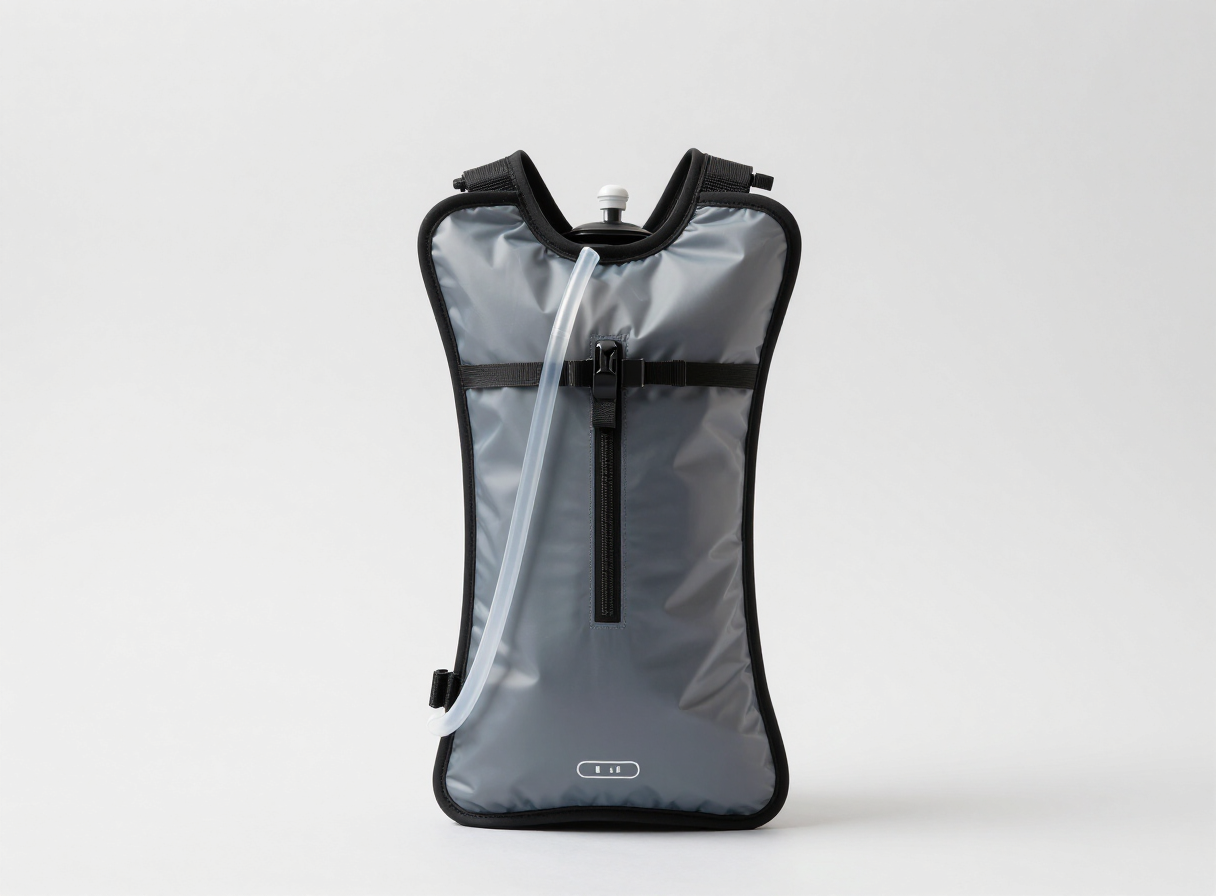
Best for long sets
A 2L hydration bladder with a drinking tube that keeps water hands-free through back-to-back sets, where venue rules permit.
Check Price Now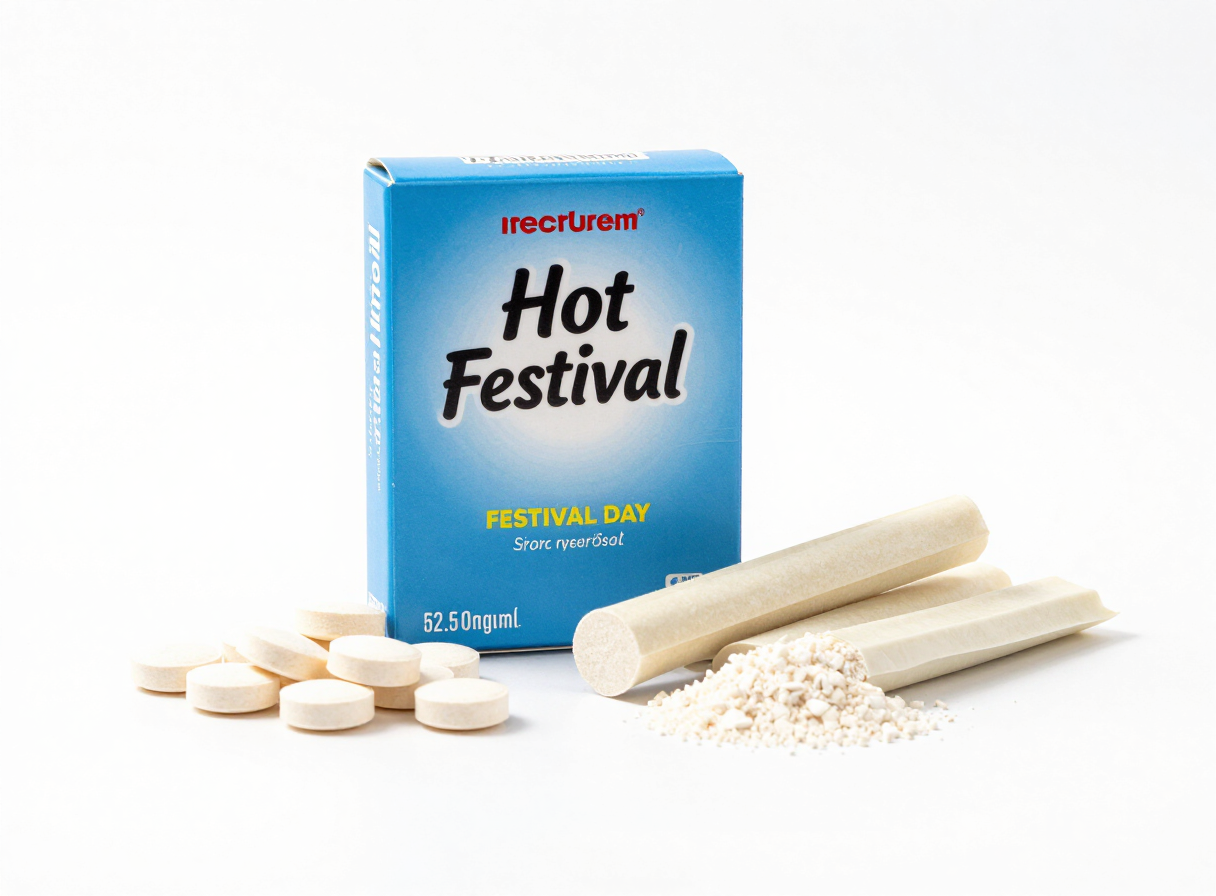
Best for hot days
Electrolyte tablets and powder sticks that drop into any bottle to replace salts lost sweating through afternoon sun.
Check Price NowStay connected
Phone and Power: Staying Charged and Connected
Your phone is your ticket, map, camera, and lifeline, so protect its battery. Before you go, download tickets and the festival app for offline use, grab offline maps, enable device-finding features, add an emergency contact to your lock screen, and disable non-essential push notifications to save power.
Portable chargers are essential. A 10,000 mAh unit at 3.7V is roughly 37 Wh, well under the FAA's 100 Wh carry-on limit for flying. Pack a shorter cable for the main stage and a longer cable for camp, and consider solar chargers as backup power or a car charger where relevant. Choose reputable brands with UL or CE certification, and never leave devices charging on flammable bedding.
At camp, follow venue rules on extension cords, avoid daisy-chaining adapters, and treat power as a shared, limited resource. Stretch battery life by lowering screen brightness, switching to airplane mode when you do not need data, limiting video recording, and favoring texts over calls when networks are congested.
VewTopia may earn a commission if you book through links on this page, at no extra cost to you.
Vewtopia is independent. Some product links below are affiliate links and are clearly labeled; we may earn a commission at no extra cost to you.
Product-style picks:
Best for the main stage
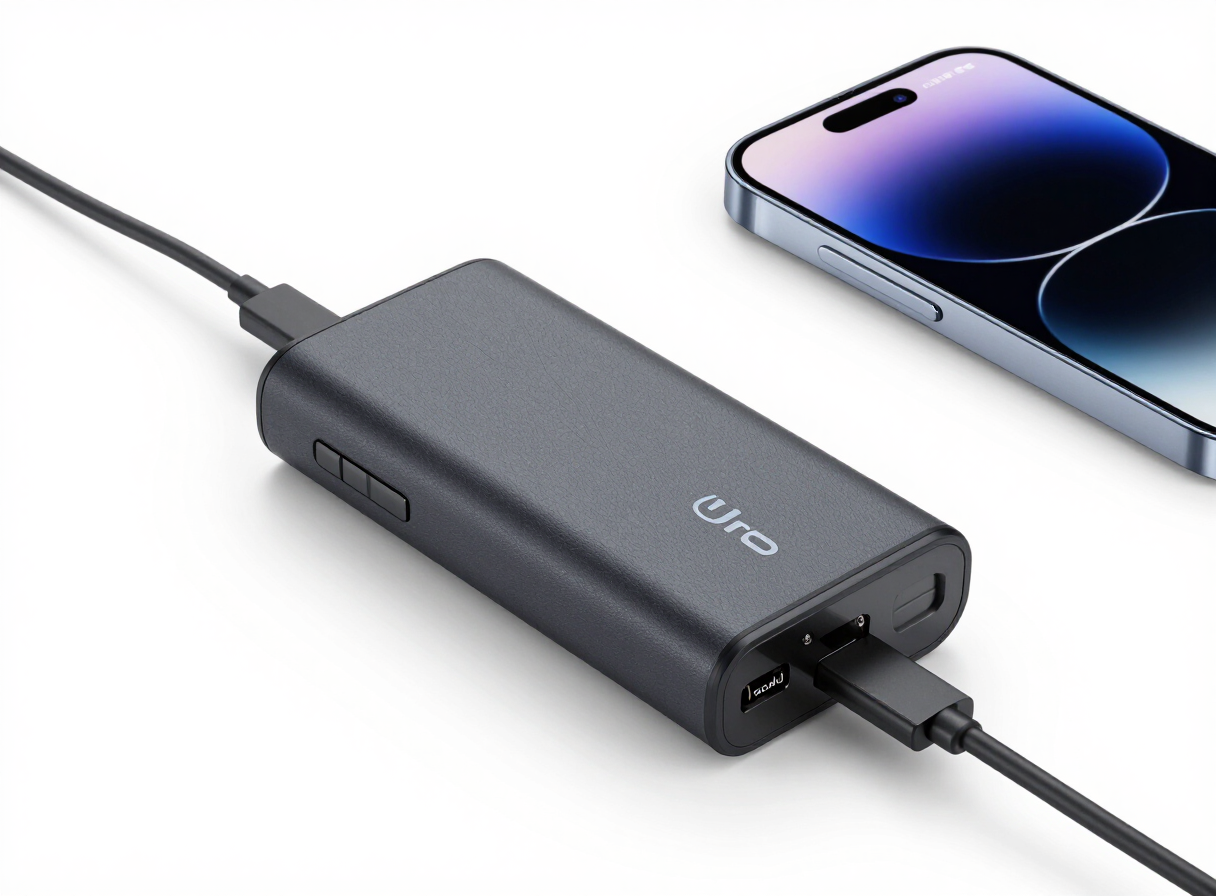
A 10,000 mAh power bank at roughly 37 Wh — well under the FAA 100 Wh carry-on limit — that recharges a phone two to three times.
Check Price Now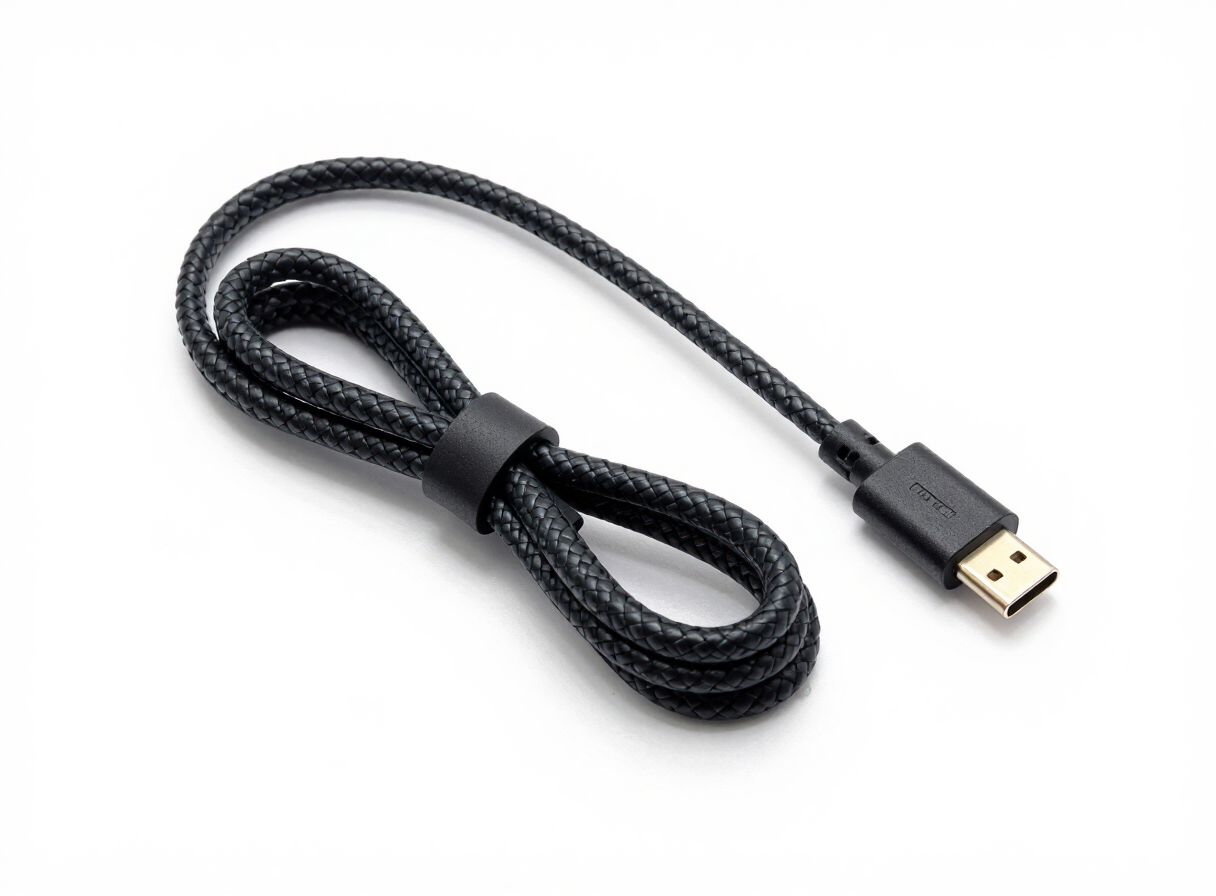
Best for durability
A braided USB-C cable that survives being stuffed in a daypack all weekend, with a short length for the main stage and a long one for camp.
Check Price Now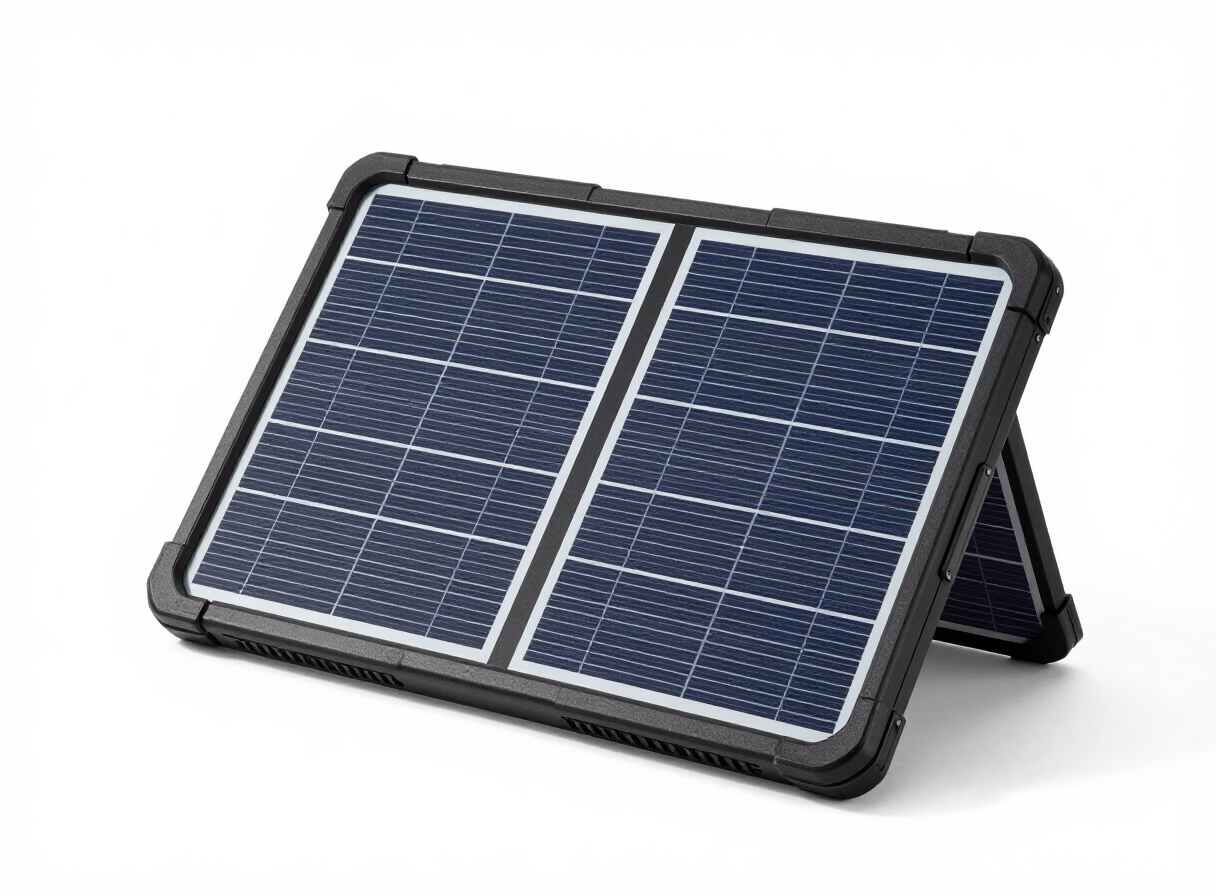
Best for camp backup
A compact foldable solar panel that tops up a power bank slowly at camp when outlets are nowhere to be found.
Check Price NowSun, rain & dust
Weather and Comfort: Sun, Rain, Dust, and Temperature Swings
Sun protection is non-negotiable across a long outdoor day. Use SPF 30+ broad-spectrum sunscreen reapplied every two hours, SPF lip balm, a sun hat for shade, and UV-blocking sunglasses. Light long-sleeve layers protect skin while keeping you cool, and they double as warmth when the temperature drops after sunset.
Rain and dust are the other constants. Pack a compact waterproof rain jacket or poncho, dry bags or zip-top bags for electronics, quick-dry socks as backup, and optional rain boots for muddy fields. Bandanas or buffs shield against dust, basic eye drops soothe irritated eyes, and soft cloths keep phones and lenses clear. Round out comfort with a compact travel towel, a small camp blanket or sit pad, earplugs and an eye mask for bright, noisy campsites, portable fans for hot weather, and mini hand sanitizer. Remember that front-of-stage sound levels reach 90–110 dBA, so hearing protection is a comfort and a safety item. For the full rundown, see our comfort and protection essentials.
VewTopia may earn a commission if you book through links on this page, at no extra cost to you.
Vewtopia is independent. Some product links below are affiliate links and are clearly labeled; we may earn a commission at no extra cost to you.
Product-style picks:
Best for all-day sun
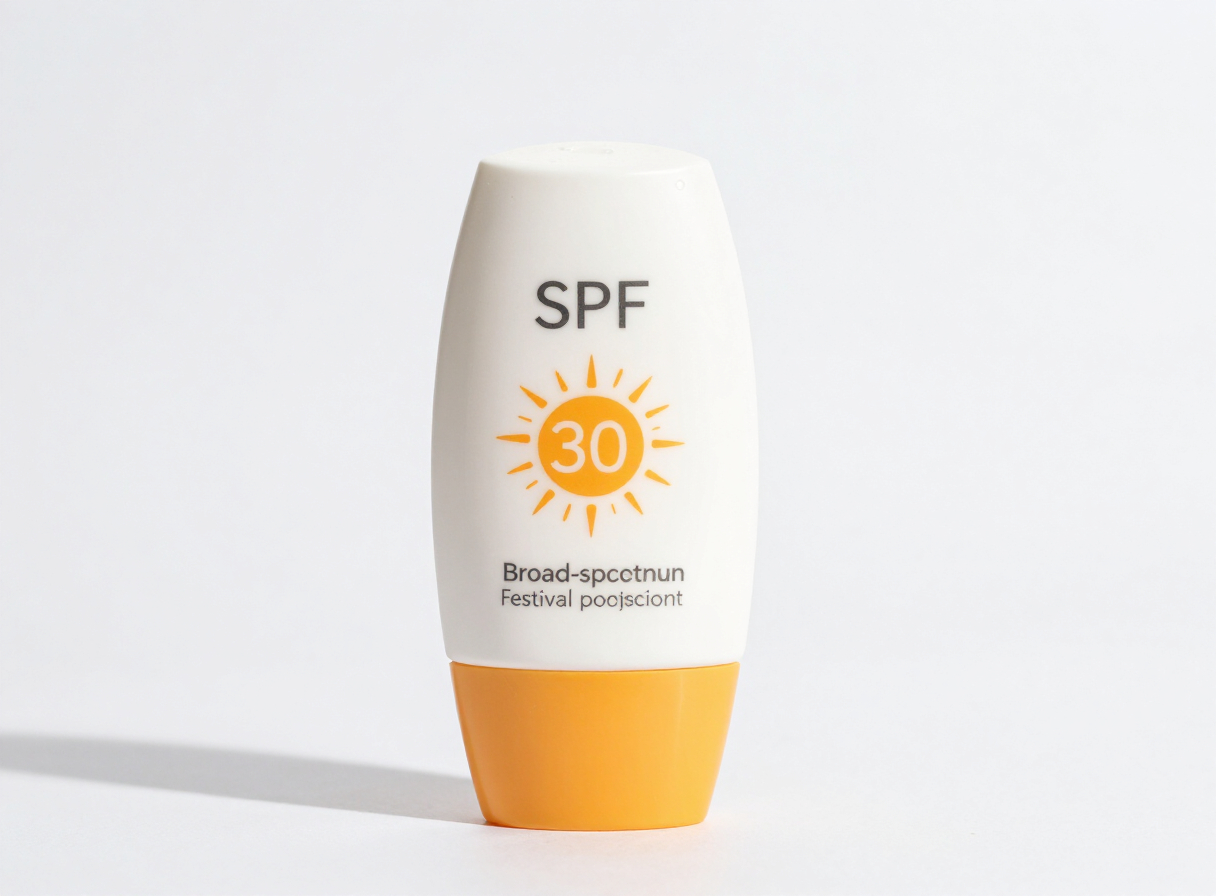
An SPF 30+ broad-spectrum sunscreen that reapplies every two hours without greasy residue through a full day outdoors.
Check Price Now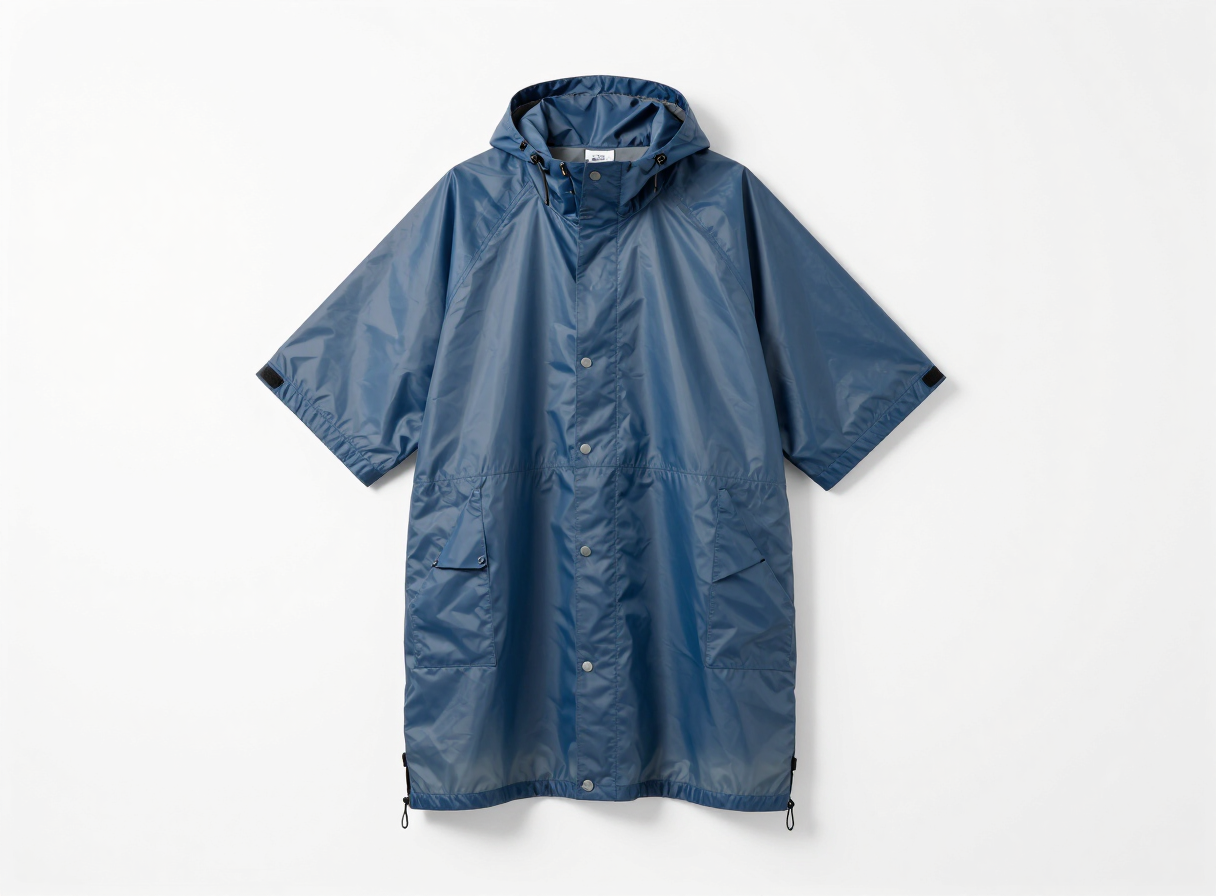
Best for sudden rain
A packable waterproof rain jacket or poncho that stuffs into a daypack pocket and unfurls fast when the sky opens up.
Check Price Now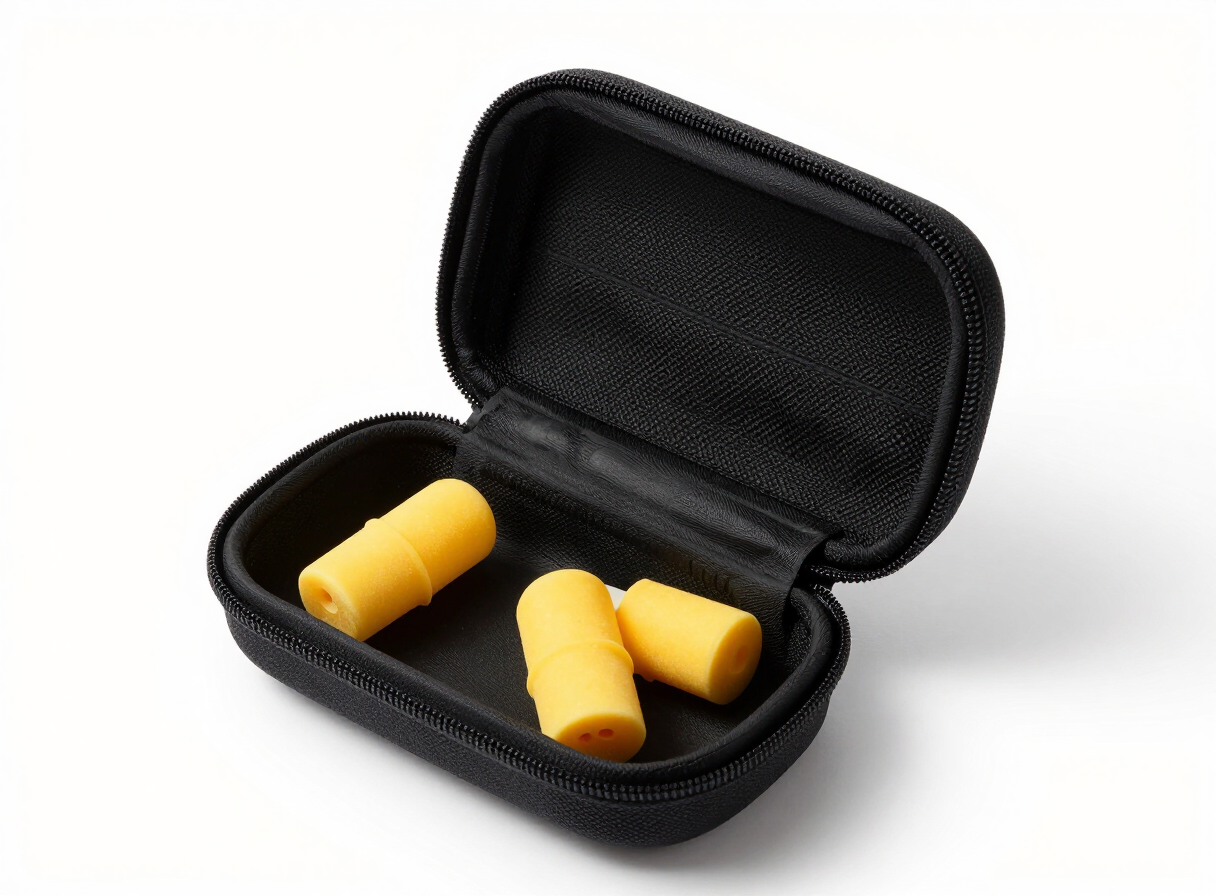
Best for hearing safety
High-fidelity earplugs that cut harmful 90–110 dBA front-of-stage volume while keeping the music clear, with a pocketable case.
Check Price NowOvernight setups
Camping Add-On List: Gear for Festival Camping Setups
Camping festivals demand a full second kit. Start with shelter: a large-capacity tent that gives friends space and room for gear storage, durable stakes and guylines, a small repair kit with patches, tape, and a spare stake, and a mallet for hard ground. An optional tarp or canopy adds shade over the site.
Build a sleep system that matches the forecast: a temperature-appropriate sleeping bag rated below the expected low, sleeping pads or air mattresses for comfort, a backup or primary sleeping pad, a pillow or compressible travel pillow, extra blankets for cold nights, and an eye mask and earplugs to sleep through a loud campsite. Add comfort with camping chairs, a small folding table for food prep and organization, battery or solar lanterns and headlamps, and battery-powered string lights for ambiance.
Round out the site with quality speakers at a considerate volume, an inflatable couch for lounging, and a doormat or old towel to keep mud out of the tent. Stay organized using collapsible bins for food and dishes, a separate dry bag for clean clothes, a dirty laundry bag, trash bags, extra toilet paper for porta potties, and hand sanitizer kept within easy reach. For the complete kit, see our dedicated guide to festival camping gear.
Renting or borrowing bulky camping gear near the festival is often cheaper and easier than hauling it, especially when flying.
Compare camping rentals & experiences (sponsored)Leave it home
What Not to Bring: Common Banned and Bad-Idea Items
Some items get confiscated and others simply are not worth the space. Banned or restricted items typically include weapons, illegal substances, glass bottles or jars, most gas stoves and charcoal grills, drones, professional camera gear with large detachable lenses, and large hard-sided coolers. Always confirm against the event's own policy, since rules vary.
Beyond outright bans, skip expensive jewelry and irreplaceable items that carry theft risk, giant speakers that ruin quiet campsites, and heavy "just in case" gear that you will regret carrying. Multiple outfit changes waste limited space, and cheap uncertified power banks and sketchy extension cords pose fire and overheating risks. Never use candles, open flames, or non-vented heaters inside tents, and follow fire-safety advisories from local authorities. The smartest approach is "less but better": choose multi-use items and rent or borrow bulky gear on arrival.
Cooking on-site
Camping Kitchen and Meal Prep (For Festivals That Allow Cooking)
Only where the festival permits cooking, a simple camp kitchen pays off. Bring a compact gas or canister stove with the correct fuel, or a two-burner camp stove for larger groups, plus a lighter and backup matches. One medium pot with a lid and one pan handle most meals, alongside a spatula and spoon, lightweight plates and bowls, reusable cutlery, and paper towels for cleanup.
Keep menus easy: boil-only meals like instant noodles, couscous, rice packets, or pre-cooked grains cook fast, while canned beans and lentils, tuna pouches, or plant-based proteins add substance. Cold breakfasts such as granola bars, overnight oats, and cereal need no stove, and hot water covers coffee or tea on early mornings. For multi-day trips, use a hard-sided cooler with block ice, keep raw meat separate, and avoid mayo-heavy foods in hot weather, following local health guidance on time out of the fridge.
If open flames are banned, lean on no-cook alternatives: ready-to-eat snacks, shelf-stable meals, bakery items, communal cooking islands, or vendor microwaves where available.
Short on time or space for a full camp kitchen? Pre-booked on-site meal plans and food experiences can simplify a multi-day festival.
Browse festival meal plans & experiences (sponsored)Hygiene & health
Toiletries, Hygiene, and Festival Medical Kit
Staying clean and healthy keeps a long weekend enjoyable. For toiletries, pack a toothbrush and travel-size toothpaste, deodorant, biodegradable soap or body wash, a small shampoo or dry shampoo, a hairbrush and hair ties, menstrual products, tissues, quick-dry towels, and a camp shower if your site allows it. Avoid glass containers, which are commonly banned and prone to breaking.
Build a compact medical kit: assorted plasters and blister pads, a small roll of medical tape, antihistamines, prescription medication in its original packaging, antiseptic wipes, antibiotic or antiseptic cream, saline eye drops for dust, hand sanitizer and wet wipes, reusable cloths, and a tiny nail clipper or file. Never share prescription medication, and avoid combining pain relievers with heavy alcohol. Because front-of-stage volume can damage hearing, follow the WHO-ITU Safe Listening guidelines and keep earplugs on you at all times.
Daily carry
Main Stage Kit: What to Bring Into the Arena Each Day
This is the streamlined bag you carry into the grounds each day. Bring your phone with offline tickets and the festival app, a small wallet with ID and cash, your festival wristband, and a refillable water bottle (empty at entry if required). Add sunscreen and SPF lip balm, sunglasses and a hat, high-fidelity earplugs, a lightweight extra layer for cool evenings, and a compact poncho if rain threatens.
Comfort items make the day: a packable blanket or sit pad, travel-size wet wipes, mini hand sanitizer, and a few tissues. In muddy festivals, stash a spare pair of thick socks in a zip-top bag. Bring a printed or screenshot schedule and a simple meeting point plan for your group, since cell networks get congested near stages. A tiny keychain flashlight helps on late walks, and an ID tag or note inside your bag with basic contact details is a smart safeguard. Comfortable footwear is crucial for long festival days, and you should always check the festival's allowed-items section for restrictions on chair size, umbrella types, shade structures, and bag dimensions before you pack.
Make it yours
Printable Checklist: Turning This Guide Into a Festival Packing List You'll Use
Turn everything above into a checklist you can actually print or copy into your notes app. Group it the way you pack so nothing slips through the cracks:
Documents and tickets
Ticket/wristband offline, photo ID, parking/camping passes, travel confirmations, waterproof pouch
Money and payment
Card, cash, backup card, small coin pouch for lockers or transit
Clothing and footwear
Day tops, shorts, layers, rain jacket, warm layer, socks, underwear, broken-in shoes, camp slides
Main stage bag essentials
Clear bag, water bottle, sunscreen, sunglasses, hat, earplugs, poncho, wipes
Phone and power
Phone, charger, cables, backup battery, offline maps and tickets
Weather and comfort
SPF, lip balm, sit pad, cooling towel, bandana, eye drops, fan
Toiletries and medical
Toothbrush, deodorant, dry shampoo, meds, blister pads, sanitizer
Camping festival gear
Tent, stakes, sleeping bag, pad, pillow, lantern, headlamp, chairs, bins
Optional fun extras
String lights, speaker, inflatable couch, costume pieces, flags
Notes area
Festival-specific additions, bag-policy dimensions, meeting points, set times
Common questions
FAQ
How we research
Research and Evaluation Methodology
This guide is the product of desk research rather than lab testing. We reviewed official manufacturer specifications, official festival websites and their 2026 policies, and guidance from reputable safety and health organizations including the FAA, CDC, and WHO-ITU. Rule compliance was checked against clear-bag requirements and posted size limits, and we aggregated owner reviews to identify recurring failure modes.
We excluded gear with common safety complaints and weighed trade-offs across price versus longevity, weight versus comfort, and minimalist versus full-camp setups. Recommendations account for the different priorities of a first-time festival attendee versus a seasoned camper. Because policies, dates, and safety data change, always re-verify the specifics against the official sources listed below before you travel.
Verify the details
Official Sources
- FAA — Pack Safe: Batteries and portable chargers (faa.gov)
- CDC MMWR — Heat-Related Illness surveillance and prevention (cdc.gov)
- WHO-ITU — Safe Listening at Venues and Events global standard (who.int)
- Sueños Music Festival 2026 — Bag Policy and prohibited items
- UT Medicine — Protect Your Hearing During Festival Season
Festival policies, battery rules, and health guidance can change between the day you read this and the day you pack. Always re-verify the details against the official sources above close to your travel date.
Last verified: July 21, 2026