
Start here
Key takeaways
- This is an evergreen hub that helps you plan tickets, hotels, transport, packing, safety and budgets for any music festival or concert trip — no specific lineups or dates to go stale.
- Jump straight to first-time tips, ticket booking, or the planning checklist depending on where you are in your plan.
- Advice applies to both domestic and international trips, but policies, routes and schedules must always be rechecked against official sources close to your event day.
- Deeper guides on specific parts of the journey — like our first-time festival guide, concert travel guides, and festival packing guide — are linked throughout.
- Whether you’re attending a multi-day event in a remote field or a single-night arena show, the core event planning steps are the same: budget, book, prepare, go.
Overview
How this guide helps you plan any festival or concert trip
This is VewTopia’s central festival and concert planning guides hub — a single, evergreen resource covering every logistical step between “I want to go” and walking through the gates of a live music event. It works for music festival and concert attendees alike, whether you’re a first-timer, a solo traveler, planning with a group, staying domestic, or heading abroad, and it stays useful year after year because it focuses on process rather than any single lineup or location.
You won’t find us telling you which festival to attend. Instead, you’ll get practical festival planning tips on tickets and ticket types, flights, hotels, transport, your festival schedule, budget, insurance, packing, gear, and safety so the trip actually feels fun, manageable, and cost-conscious. Concert trip planning follows the same fundamentals — the scale just changes.
Planning a festival requires budgeting, venue selection, and logistics — and understanding those moving parts helps you, the attendee, avoid common mistakes and make smarter decisions before costs and stress pile up. A destination festival weekend means flights, multiple stages, and weather risk. A local arena show means same-day transport and a late-night return. Both need a clear timeline and a clear understanding of your own goals so budget and logistics decisions line up with the trip you actually want.
First-timers
Start here for first-time attendees
If this is your first music festival, the sheer number of decisions can feel paralyzing. Tickets, camping, travel, what to wear, what to eat — it stacks up fast. The good news: once you break the process into phases, it stops being overwhelming and starts being a project you can actually finish.
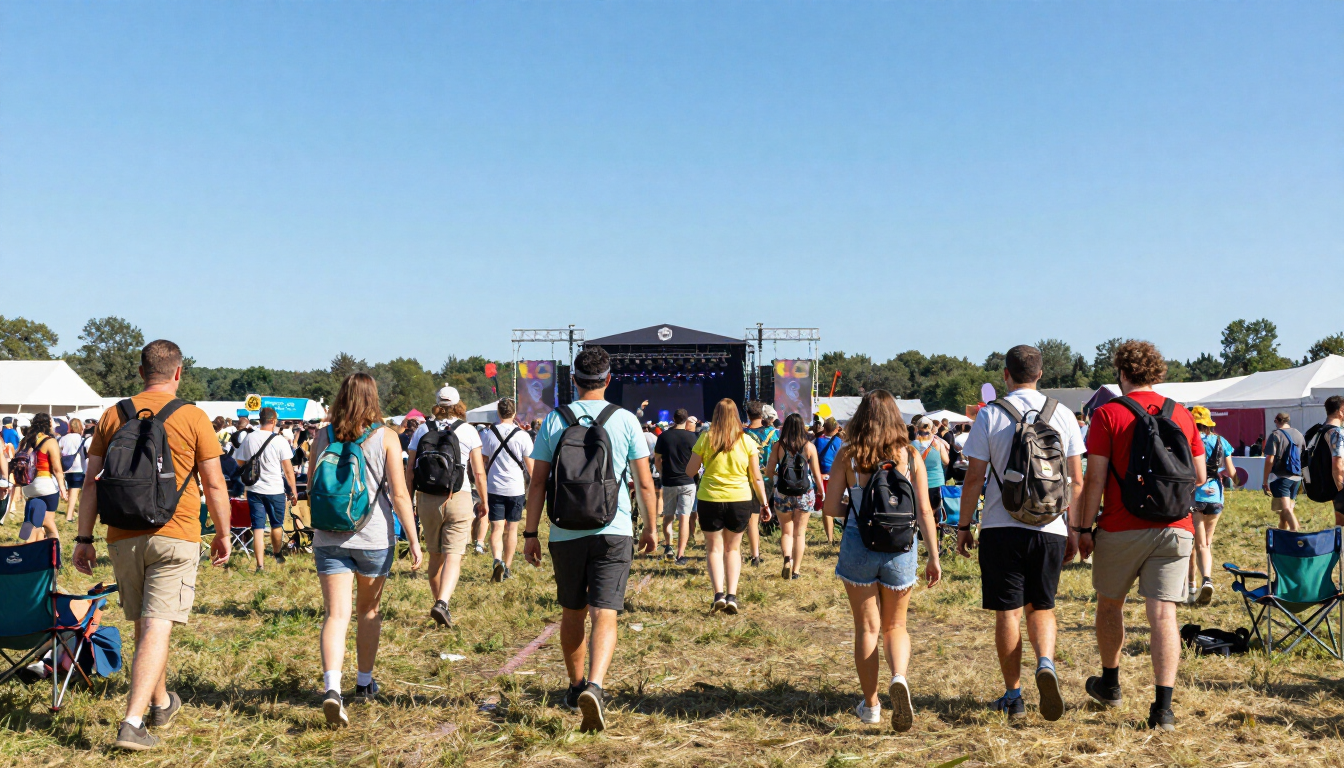
Begin planning with a simple sequence. Decide your budget and timing first. Then secure tickets. Next, book transport and a place to sleep. After that, draft a rough daily schedule so you know which artists you refuse to miss. Finally, pack smart using the venue’s published rules and the weather forecast.
Create a timeline for tasks 8\u201312 months before the event if you’re targeting a popular destination festival with limited local beds. Destination travelers, local day-goers, and first-timers tend to book on different timelines. For regional weekend events, 3\u20136 months is usually enough. A nearby concert? A few weeks works, but hotel prices and ticket availability can shift fast if demand is high. If you’re camping, plan for weather, shade, and shared space; if your festival is city-based with hotels, focus on transport timings — especially the last train or bus home — and safe late-night returns.
Common first-timer worries include missing favorite sets when the festival schedule splits across stages, getting lost on large grounds after dark, running out of money because on-site food and drinks cost more than expected, and having your phone die before you’ve confirmed a meeting point with your group. Each of these is solvable with a bit of advance prep — and our first-time festival guide walks through them step by step.
Tickets
Tickets and booking: getting into the show without stress
Tickets are usually your first hard commitment. They lock in dates, set the budget floor, and sometimes dictate which airport you’ll fly into or which campground you’ll reserve. Get this step right and every downstream decision becomes easier.
Common ticket types include:
- General admission (unreserved standing or lawn — arrive early for better spots)
- Reserved seating (assigned seat, less chaos, often pricier)
- VIP or premium passes (may include early entry, private viewing, exclusive merch — but read exactly what’s included)
- Weekend or multi-day passes vs. single-day tickets
- Add-ons like camping, parking, or locker access
Most festivals sell tickets in phases: presale for mailing-list subscribers or fan-club members, early bird at a lower price, regular general sale, then last-minute or resale. Join official mailing lists and verified fan programs early — knowing which phase you’re buying in helps you estimate total trip cost.
For safe purchases, only buy from official festival websites, primary ticketing partners, or verified resale platforms. Avoid screenshots and unofficial social media resales — scams are common, and a fake barcode wastes more than money.
Coordinate carefully: don’t book non-refundable flights until you have a confirmed barcode. Keep hotel cancellation windows wider than your ticket confirmation deadline. Read the fine print on refund and postponement policies, age restrictions, ID requirements, and what happens if a headliner drops out. Ticket rules and entry policies should be rechecked on the official event site close to travel.
Ticket booking platform links are candidates for affiliate placement and, when configured, will appear here with a clear disclosure and never in place of editorial guidance.
Lodging
Hotels and neighborhoods: where to sleep and recharge
Your base affects everything — how much sleep you get, how long you commute, and how safe your late-night walk or ride-share feels. A perfect venue for the festival doesn’t guarantee a perfect location for your hotel, so treat lodging research as its own task.
The main options and their tradeoffs:
- Walkable hotels near the venue maximize convenience but cost more during major events and often sell out months ahead. The best base is one that is easily accessible after the show, especially late at night.
- Hotels a transit ride away are cheaper but require careful scheduling, especially if buses or trains stop running before headliners finish.
- Festival campgrounds are the most affordable at remote events, though they demand more gear and expose you to weather.
For stadium shows in cities, “close” usually means 10\u201320 minutes by foot or a short metro ride. For rural festivals, “close” might mean a shuttle bus — check last departure times. Consider parking and public transport access when choosing between driving and transit, and confirm the site has power and water infrastructure if you’re evaluating glamping or campground options.
Assess neighborhoods you don’t know by checking maps, transit sites, and recent reviews for noise levels, late-night food, pharmacies, and safety. Explore our destination guides for city-specific context, and check VewTopia’s festival pages for area notes on specific events. For group travel, apartment-style stays can reduce per-person cost vs. multiple hotel rooms, but coordinate preferences around sleep schedules and restroom facilities early to avoid friction.
Getting there
Transportation and arrival: flights, trains and getting to the gate
Transport planning is where many trips fall apart. A tight flight connection, a missed last train after an encore, or no plan for getting from the airport to the venue can derail an otherwise solid itinerary.
Choose your arrival airport or station based on direct routes and late-night ground transport, not just the cheapest fare. Traffic flow — both vehicular and foot traffic — around large events can add significant time to your commute. Look for clear signage at shuttle stops and transit hubs, and confirm schedules on official event pages.
Arriving the day before a big festival reduces delay risk and gives you breathing room to check in, explore the site layout, and locate key spots. Same-day arrival saves a night of lodging cost but increases stress if flights or trains are delayed. For single-night concerts, the calculus is simpler — our concert travel guides cover that in detail.
Common local transport options:
- Official festival shuttles (most reliable; check frequency and last departure)
- Public transit (cheaper but may close early)
- Ride-shares or taxis (convenient but surge-priced post-show)
- Designated parking lots with walking routes
For late-night returns, travel in pairs or groups, pre-book taxis where possible, and save a backup walking route offline. Screenshot maps, shuttle timetables, and meeting spots before you leave your hotel, and download offline maps in case mobile data fails inside or around the venue.
Money
Budgeting and insurance: build a realistic festival budget
A well-planned budget outlines all necessary expenses before you leave home, so there are no credit card surprises when you return. Think of it as a festival budget guide you can reuse and adjust for every trip.
Major cost categories:
- Ticket (including add-ons like camping, parking, VIP upgrades)
- Travel (flights, trains, fuel)
- Accommodation (hotel, campground fee, rental)
- On-site food and drinks (festival prices run well above street level)
- Local transport (airport to lodging, lodging to venue, late-night returns)
- Rental equipment like lockers, chairs, or portable chargers
- Extras: merch, souvenirs, emergency items
For a three-day festival in the US, mid-range total spend typically lands between $1,650 and $2,650 including tickets, lodging, food, and transport. A tighter weekend budget might run $600\u2013$950 if you camp and limit on-site spending. Include a contingency budget — roughly 10\u201320% of your planned spend — for unforeseen issues like replacement gear, a last-minute cab, or a hotel night if weather makes camping impossible.
Event insurance protects against unforeseen circumstances like cancellations, severe weather, or lost baggage. It’s especially worth considering for international trips with non-refundable flights, and policies vary, so read terms carefully — our budget and safety guide covers risk tradeoffs in more depth. For group trips, use a shared spreadsheet or cost-splitting app so one person isn’t fronting everything, and agree on reimbursement terms before you book.
Safety
Safety and phone protection: stay connected and look out for yourself
Your safety and ability to communicate matter more than any setlist. This section stays commercial-link-free by design.
Personal safety basics for crowded events:
- Locate medical tents, first-aid stations, and exits as soon as you arrive
- Agree on meeting points with your group in case you're separated
- Watch drinks being poured and never accept open containers from strangers
- Stay aware in dense crowds — know your way out
Emergency plans should cover severe weather and medical emergencies. Check current local public health guidance on large gatherings, heat-related illness risks, or air quality alerts for your destination — emergency protocols vary by venue and country, so look them up before you leave.
Phone protection tips: use a lanyard case or zipped pocket, enable device tracking, lock your screen, and activate emergency contact features. If your phone dies or is lost, fall back on pre-agreed meetup spots, a printed hotel address, and one physical copy of key tickets. For cash and card safety, split cards between trusted people, avoid flashing large sums, and know how to freeze accounts quickly through your bank app. Accessibility includes wheelchair routes and accessible restrooms — check the festival’s site map if you or someone in your group needs those resources. Local emergency numbers and venue rules must be verified on official sources for your specific destination.
Gear
Packing and gear: what to bring for festivals and concerts
Smart packing means comfort and safety without overloading your bag. Rules vary by venue and must be checked directly — every arena and festival has its own banned-items list covering things like chairs, umbrellas, selfie sticks, professional cameras, aerosol cans, and oversized bags.
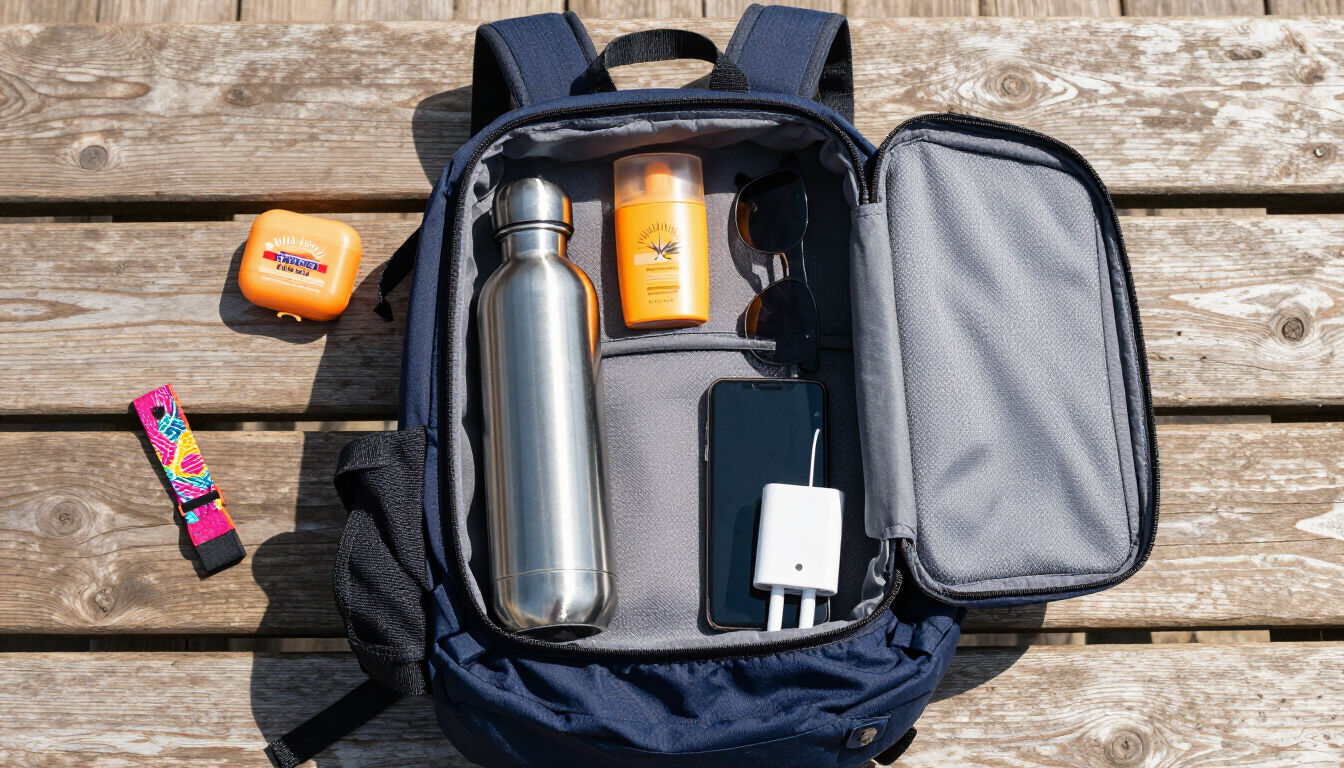
Packing differs sharply by event type:
- City concert: small clear bag, layered clothing, portable charger, earplugs, ID
- Multi-day outdoor festival: sun protection, hydration pack or reusable bottle where allowed, waterproof layers, sturdy footwear for mud or dust, basic first aid, and a way to charge devices (20,000 mAh power bank minimum)
Often-forgotten but high-impact items: backup charging cables, hearing protection designed for live music, a reusable water bottle, and physical copies of key addresses or reservation confirmations. Organize essentials into small pouches so security screening is faster — hard cases or sharp tools can trigger extra checks and delays.
Rental equipment options like lockers, chairs, or portable chargers are often available on site — reserving them in advance makes your arrival smoother and keeps your bag lighter. Our full packing checklist covers item-by-item recommendations for every festival type.
Day of
Using festival schedule and social media to plan your days
The festival schedule is your roadmap for balancing must-see sets, breaks, meals, and merch runs without burning out by day two. A master schedule details setup, performance, and teardown times — and understanding that structure helps you pace yourself.
Use official apps or printed timetables to pick anchor sets (the acts you refuse to miss), then fill gaps with exploration time, food stops, and realistic travel time between stages. Sound checks and stage changes take time — don’t assume transitions are instant on a large site. Handle clashes before you arrive: decide which artists are non-negotiable and when you’re willing to leave a set early.
Social media helps and hurts. Follow official channels for real-time updates, weather alerts, and gate changes — these are your most reliable live source. But rumors and unverified posts about cancellations can mislead, so use email newsletters from the festival for confirmed info. Screenshot or print each day’s schedule and map, since apps crash when data networks are overloaded on site. Set times, gates, and curfews often change close to the event day — recheck the official website the week and day before you go.
Questions
FAQ
These FAQs cover common questions not fully addressed above. All guidance is general — specific festivals, venues, and countries will have their own rules, which you must check directly.
How far in advance should I start planning a festival trip?
For popular destination festivals with limited local lodging, 6–9 months is ideal. Regional weekend events usually need 3–6 months. Even nearby concerts deserve at least a few weeks of lead time if you want affordable hotels and trains. If you need visas, time off work, or are coordinating a group, start earlier — ticket sales and hotel availability shift fast. Define your event goals and staffing needs before the first booking if you're organizing a group trip.
What if my favorite artist cancels or the festival changes dates?
Individual artist cancellations rarely trigger full refunds — the event's official terms govern what you're owed. Full postponements or cancellations usually offer refunds or credits, but check the original ticket seller's emails and official website for options. Avoid chargebacks unless official guidance supports them. Review any travel insurance coverage for schedule changes, and hold organizers to clear communication throughout.
Can I do a major festival on a tight budget?
Yes, with tradeoffs. Camp instead of booking hotels where safe and allowed, share rooms or apartment-style lodging, and travel by bus or train instead of flying. Set a hard daily spending cap on food and drinks, and start recruiting friends early to split costs. Volunteering is a legitimate way to attend at reduced cost at many festivals. Don't cut corners on water, sun protection, or safe transport home.
How do I plan a festival trip if I'm going alone?
Choose well-established events with clear safety and public health information. Stay in busy areas, reputable hostels, or campgrounds with strong on-site security. Share your itinerary with a trusted person at home, and join daytime meetups or interest-based communities on site. Keep control of your own schedule, accommodation, and transport — mapping your daily plan as a team of one helps you feel more confident navigating alone.
What happens if the weather turns bad during an outdoor festival?
Light rain usually means adjustments — waterproof layers, mud-ready boots, and covered rest areas. Severe weather can trigger schedule pauses, stage shutdowns, or full-day cancellations decided by organizers and local authorities. Follow official channels, pack weather-appropriate layers that meet site rules, and always prioritize safety over catching one more song.
Take action
Planning checklist
Turn everything above into a concrete planning checklist you can reuse for every future festival or concert trip. Print it, save it, or check items off digitally as you go.
Vewtopia festival & concert planning checklist
Tickets
- Ticket type, phase, and price confirmed
- Confirmation email and barcode saved offline
- Refund and postponement fine print reviewed
Travel
- Flights or trains booked around confirmed ticket
- Arrival timing set with backup routes noted
- Last departure times for transit checked
Accommodation
- Booking flexibility and cancellation window checked
- Proximity to venue or festival grounds confirmed
- Group coordination and cost-splitting agreed
Budget
- Daily spending caps set for food and drinks
- 10–20% contingency fund set aside
- Cost-splitting method agreed with your group
Packing
- Venue banned-items list checked
- Weather layers and sturdy footwear packed
- Power bank, cables, and hearing protection packed
Safety prep
- Emergency contacts and meetup points agreed
- Medical info and allergies shared with your group
- Cards split between trusted people, bank app ready
Festival schedule
- Anchor sets identified and clashes resolved
- Stage-to-stage travel time estimated
- Schedule and map screenshotted or printed
Bookmark this hub alongside the first-time festival guide, the budget and safety deep dive, and the full packing checklist so you can update your list quickly for each new event. The goal is enjoying live music on your own terms — not just surviving the logistics. Plan independently, stay flexible, and give yourself permission to skip a set for a nap.
Official sources
- SeatGeek — Types of Concert Tickets Explained: seatgeek.com
- American Heart Association — Music Festival Health Safety: heart.org
- Aftershock Festival — Festival Info / Prohibited Items: aftershockfestival.com
Last verified: 17 July 2026
Policies, ticket rules, and transit schedules are re-checked against official sources on a rolling basis and updated here whenever a change is verified.