
Start here
Key Takeaways
- Stadium concert venue guides focus on show-day logistics — gate maps, section-based weather exposure, rideshare zones and bag policies — that general city guides skip entirely.
- Stadiums like SoFi Stadium in Los Angeles, Hard Rock Stadium in Miami and Allegiant Stadium in Las Vegas each have distinct hotel, parking and entry patterns that Vewtopia covers in individual venue guide pages.
- Stadium concerts can host crowds ranging from 20,000 to over 80,000 people, creating longer walks, higher ticket prices and more intense crowd flows than arena or amphitheater events.
- Outdoor exposure, sound quality changes by section and long entry lines are the three biggest surprises for first-time stadium concert travelers.
- Use this hub to explore featured stadiums, then dive into each venue guide for specific advice before your next show night.
Context
How stadium concerts differ from arenas and amphitheaters
Stadiums are built primarily for sports but adapted for concerts, and that distinction shapes everything from your sightline to your walk back to the car. The atmosphere at stadium concerts can be energetic due to large audiences, massive LED screens and pyrotechnics, and productions that rival disney-level spectacle. But the tradeoffs are real: stadium concerts can have poor sound quality due to their size and acoustics, and acoustic performance varies between open-air stadiums and enclosed domes.
Stadiums are characterized by massive open-air environments and multi-level seating. Stadium seating is divided into floors, lower bowls and upper levels, and most stadium concerts feature high-definition video screens so fans in upper decks can see the artist on stage. Acoustics can be improved with speaker arrays and delay towers, but even with modern sound engineering, upper tiers often catch echo and weaker bass compared to lower bowl seats.
Here is how capacity and experience compare across common music venues:
| Venue type | Example | Capacity | Experience |
|---|---|---|---|
| NFL Stadium | Reliant Stadium (Houston, opened 2002) | 72,220 | Massive crowd, long walks, screens essential |
| NFL Stadium | SoFi Stadium (Los Angeles) | ~70,240 | Semi-roofed, major concerts and world events |
| NBA Arena | Toyota Center (Houston) | ~19,000 | Over 60 concerts annually; lower-bowl center seats provide the best sound quality |
| Large Arena | Madison Square Garden (NYC) | 20,000+ | Floor and lower-bowl seats ideal for concerts |
| Amphitheater | Cynthia Woods Mitchell Pavilion (north of Houston) | 16,500 total (6,500 covered, 10,000 lawn) | Covered seating plus lawn; great view from multiple angles |
| Mid-size Hall | 713 Music Hall (Houston, opened 2023) | 5,000 | Modern room for hip hop, indie, folk, blues, comedy and more |
| Small Club | White Oak Music Hall (near northside Houston) | ~1,500–3,000 | Intimate experience for live music |
| Theater | Smart Financial Centre (Sugar Land, Texas) | ~6,400 | Fine sightlines, consistent sound from most seats |
The Astrodome opened in 1965 as the first multi-purpose domed stadium and changed what people could expect from a concert venue. Today, Houston alone illustrates the full spectrum: Reliant Stadium hosts the biggest names and the 2026 FIFA World Cup will bring seven matches to the city, while Bayou Music Center, Verizon Wireless Theater (now closed) and the Houston Symphony offer completely different experiences downtown. Minute Maid Park was even renamed Daikin Park in 2025, and that ballpark occasionally hosts concerts too. Upper tiers at Toyota Center offer less desirable sound quality, but it remains one of the most attended arenas in Texas for live music, basketball and NBA events. Whether you decide on a stadium or a club show, the planning is different.
For a complete walkthrough of how to plan your trip around a stadium show, visit our stadium concert travel guide, which pairs with every venue-specific page in this hub.
Directory
Featured stadium venue guides
Each Vewtopia stadium venue guide covers hotel zones, parking lots, transit lines, entry gates and weather exposure for a single building. Use the cards below to explore the stadiums we cover, then check back as we add more throughout the season.
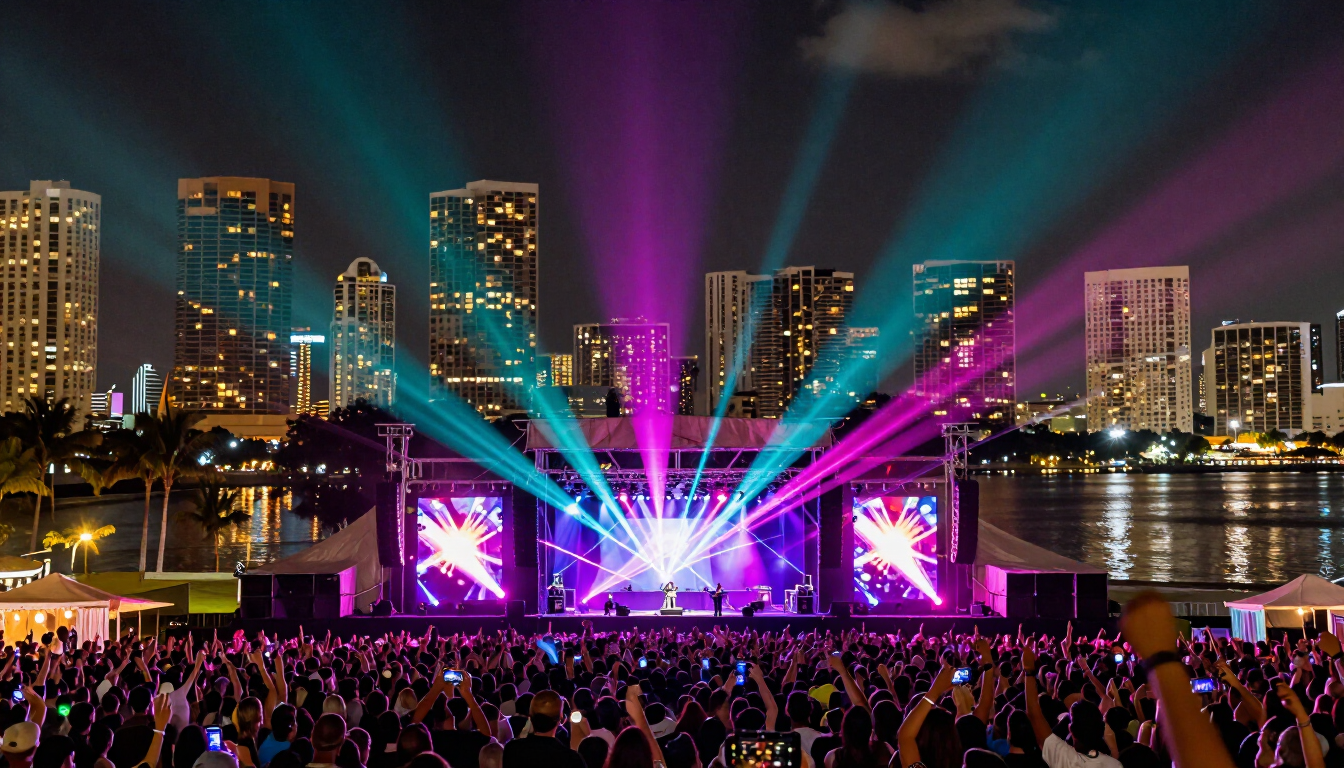
Miami Gardens, Florida
Hard Rock Stadium
Best for: Fans who plan around shuttle hubs and want to explore South Beach or Brickell before or after the show.
Park-and-ride lots start around $10. About 16 miles north of downtown Miami.
View venue guide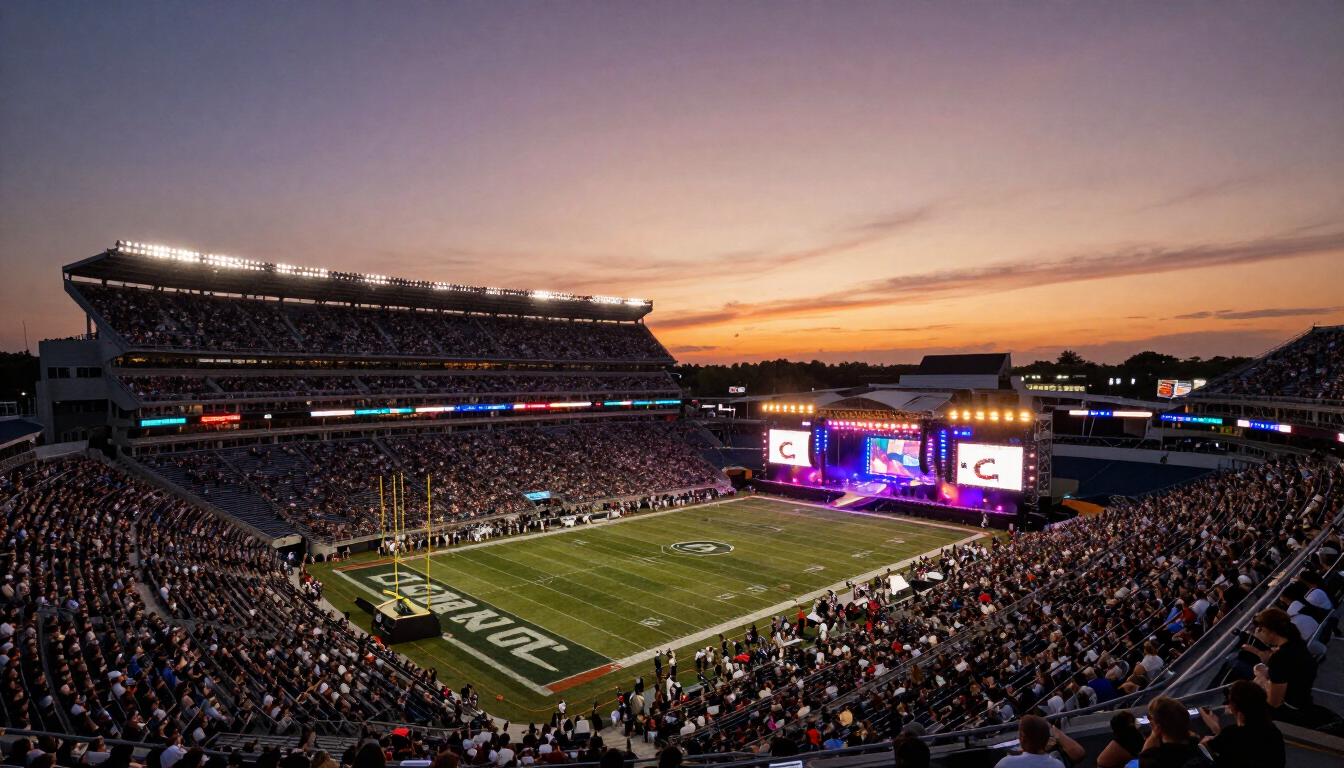
Las Vegas, Nevada
Allegiant Stadium
Best for: Fans staying on the Strip who want designated rideshare and taxi zones close to the gates.
Controlled lots open roughly four hours before events, $40–$100+ depending on proximity. EV charging in select lots.
View venue guideInglewood, California
SoFi Stadium
Best for: Fans comparing Inglewood vs. downtown LA hotel bases and wanting partial weather protection.
Capacity of about 70,240 with a translucent ETFE roof that covers some sections but not others.
View venue guideCurrent featured stadiums include Hard Rock Stadium in Miami Gardens, located about 16 miles north of downtown Miami and best for fans who plan around shuttle hubs and want to explore South Beach or Brickell before or after the show, with park-and-ride lots starting around $10. Also featured is Allegiant Stadium, which sits just off the Las Vegas Strip with designated rideshare and taxi zones near Diablo Dr. and Procyon St. Controlled parking lots there open roughly four hours before events, priced from $40 to $100+ depending on proximity, and EV charging is available in select lots. The third featured guide covers SoFi Stadium, which has a capacity of about 70,240 and a translucent ETFE roof that offers partial weather protection; rideshare and transit logistics there vary significantly depending on whether you stay in Inglewood or downtown Los Angeles.
A dynamic card component displays each venue guide with a photo, city, "best for" summary and upcoming concert-season notes. Additional stadiums such as AT&T Stadium in Arlington or MetLife Stadium in New Jersey will appear here as their Vewtopia pages go live.
Lodging
Choosing a hotel zone for a stadium concert
Where you sit at night after the show matters almost as much as where you sit during it. Hotel zone choice affects your budget, your post-concert food and drinks options, and how long you spend in traffic or rideshare surge.
Key tradeoffs by stadium type
- Suburban NFL stadiums (Hard Rock Stadium): Stay near shuttle hubs like Seminole Hard Rock Hotel or Golden Glades rather than on the beach. You save time and avoid the worst surge pricing, even if dining options are fewer.
- City-adjacent stadiums (SoFi, Allegiant): A hotel on the Strip or in downtown LA gives you nightlife and street life, but rideshare back can cost more and take longer. Staying slightly off the core near a transit line or freeway on-ramp is often smarter.
- Campus or isolated stadiums: Pre-book a property with shuttle access or easy freeway routing. Walking is rarely practical.
By traveler type
- Solo travelers: lean toward transit-friendly zones with walkable food and life after the show.
- Groups: split rideshare costs; mid-priced hotels near parking hubs or shuttle routes work well.
- Families: prioritize quiet zones, predictable parking and easy drop-off — skip the late-night northside bar district.
VewTopia may earn a commission if you book through links on this page, at no extra cost to you.
We recommend flexible or cancellable rates when possible. Through linked booking platforms, readers may also pay service or resale-related ticket fees.
Preparation
Weather exposure and footwear at stadium concerts
Weather and walk distance matter far more in stadiums than in smaller indoor venues like Toyota Center, Bayou Music Center, White Oak Music Hall or Smart Financial Centre. If you have attended shows only at covered rooms in Sugar Land or downtown Houston, expect a different story at an open-air stadium.
- Hot-weather stadiums (Miami, Las Vegas, Los Angeles, Houston, Austin, Arlington): Wear breathable clothing and apply sun protection for afternoon entry. Miami averages highs around 90\u00b0F in summer with heat indices often exceeding 100\u00b0F. Hydrate early and check if the venue allows sealed water bottles or has refill stations.
- Rain and partial roofs: SoFi Stadium's translucent roof covers some sections but leaves others exposed. Many NFL stadiums are fully open-air. Seat selection — covered versus exposed — can change your comfort level completely. For outdoor shows, bring a light jacket for evening concerts, especially in desert cities like Las Vegas where temperatures drop sharply after sunset.
- Footwear: Closed-toe, broken-in shoes are non-negotiable. You will walk several city blocks, climb steep upper-deck stairs and stand for long encores. Sandals and brand-new boots cause problems.
- Weather kit for clear bags: Pack a compact poncho, a small seat pad and layers that fit within the venue's bag dimensions. Compare these conditions with your usual playing field — an indoor show is a different world.
Show day
Entry, bag policies and security timing
Stadiums feature strict security screenings and clear bag policies that differ sharply from what most venues allow at indoor concerts or comedy shows. Attendees at stadium concerts should plan for long entry times and crowded exits, and waiting times can be lengthy due to large crowds at gates.
- Clear bag policy: Most major stadiums follow an NFL-style clear bag policy — one clear bag no larger than 12″\u00d76″\u00d712″ plus one small clutch (approximately 4.5″\u00d76.5″). Verify the venue's official page the week of your show, since some tours enforce stricter rules.
- Timing: Security opens 90\u2013120 minutes before showtime. Inner doors stagger by section. General admission tickets require early arrival for a good position close to the stage — floor wristband checks and early merchandise lines can add significant time.
- Rule of thumb: Arrive at the stadium campus 60\u201390 minutes before the scheduled start for floor GA, and 45\u201360 minutes for reserved bowl seating. Adjust for shuttle or transit variability.
- Common delays and confiscations: Oversized or non-clear bags, umbrellas, outside food, professional cameras with large lenses and metal aerosol cans. Medical items are generally permitted but require inspection.
- Use venue-specific guides: Look for gate maps, section-based entry tips and merchandise timing inside each Vewtopia stadium venue guide rather than relying on habits from ticketmaster arena shows or smaller rooms.
Planning ahead
Accessibility at stadium concert venues
Accessibility planning for stadium concerts covers seating, mobility, sensory needs and transport to and from the venue. Starting early makes a measurable difference.
- Seating: Accessible seating is typically distributed across multiple price levels — lower bowl, club level and sometimes floor-equivalent areas. Demand is high for major tours, so book as early as possible.
- Contact the venue: Reach the stadium's accessibility services team via the official email or phone listed on the venue website for questions about wheelchair access, companion seating, assistive listening devices or service animal relief areas.
- Arrival and departure: Accessible parking and drop-off points are located near elevators or ramps. Post-show congestion can be intense; if you use paratransit or accessible public transit, verify the return schedule before you visit.
- Sensory and fatigue: Loud PA systems, strobe lighting, long concourse walks and crowded ramps are standard at stadium events. Identify quiet zones, ask about early entry options, or plan seated breaks during opener sets to manage fatigue.
- Venue-specific details: Individual Vewtopia stadium venue guides call out specific accessibility features and link to official stadium accessibility pages. Always verify details close to your event date, as policies can change by tour or sports season.
Questions
FAQ: Stadium concert travel planning
These questions cover adjacent planning details not fully addressed in the sections above.
When should I book my hotel for a major stadium tour date?
For blockbuster tours, hotels near stadiums and popular nightlife areas can spike in price or sell out months in advance, especially on weekends. Book a flexible, cancellable rate as soon as your tickets are confirmed. Re-check prices two to four weeks before the show — cancellations sometimes free up better options. Factor in breakfast and late checkout when you compare.
Is it better to buy event tickets first or plan travel first?
Secure event tickets first. Stadium concerts sell out quickly or shift dates, while flights and hotels usually offer more flexibility, and resale platforms can add fees that buyers pay on top of the listed ticket price when you compare options on ticketmaster or similar platforms. For destination shows during peak travel periods in cities like Las Vegas or Miami, hold refundable flights or hotels while you watch resale patterns for your preferred seats.
How early should I arrive for a floor GA stadium ticket?
Casual fans can arrive 60–90 minutes early. Fans aiming for rail or front sections often line up many hours in advance when allowed. Verify official queue rules and wristband procedures for your specific venue and tour. Plan shade, hydration and restroom breaks into any long wait, especially in hot markets.
Are stadium seats or floor GA better for sound quality?
Sound quality is often more consistent from lower-bowl reserved seats than from far-back floor GA, where you may sit behind the main speaker arrays or deal with crowd noise. Floor GA is best for fans who prioritize energy and proximity to the stage. Each Vewtopia stadium guide highlights sections that balance sound, great view and budget for that specific building.
How do stadium concert venue guides differ from general city guides?
Stadium venue guides focus on concert-night logistics tied to a single venue: gate maps, hotel zones, best transit lines, parking lots and weather exposure for specific seating areas. General city guides cover broader attractions, restaurants and sightseeing without section-by-section advice. Vewtopia's guides are designed to work alongside any city guide, filling in the exact details you need for show day.
Official sources
- NFL Clear Bag Policy — nfl.com/legal/clear-bag-policy — for standard bag size rules used by most major stadiums
- Allegiant Stadium Directions & Parking — allegiantstadium.com — for lot pricing, EV charging and rideshare drop zones
- Hard Rock Stadium Transportation Options (2025 Season) — miamidolphins.com — for shuttle lots and rideshare logistics
- SoFi Stadium — en.wikipedia.org — for capacity, roof structure and general venue background
No raw merchant URLs are inserted in this hub. Future hotel booking modules and ticket affiliate links should appear after the disclosure line in the "Choosing a hotel zone" section and optionally within FAQ answers about booking.
Last verified: July 17, 2026
Venue policies, pricing and transportation details in this guide were last verified against official sources on July 17, 2026. Always confirm parking rates, bag policies and gate times on the official venue site before your show, as details can change by tour or season.