
Start here
Key takeaways
VewTopia’s concert venue guides help you plan how to get to stadiums and arenas, where to stay nearby, and what to expect at the gates on event day. Here is what matters most before you go:
- Every guide covers concert venue transportation, parking options, hotels near concert venues, accessibility details, and venue-specific entry rules for live music and festivals.
- You can browse major stadiums, arenas, and destinations across the world using VewTopia’s directory, then click through to detailed venue pages.
- Policies like bag rules, cashless payments, and transit schedules are checked against official venue and transit sources and marked with “last verified” dates.
- Different venues provide distinct experiences — choosing the right one is critical in live music planning, affecting both performance quality and audience satisfaction.
Overview
Where every venue guide starts
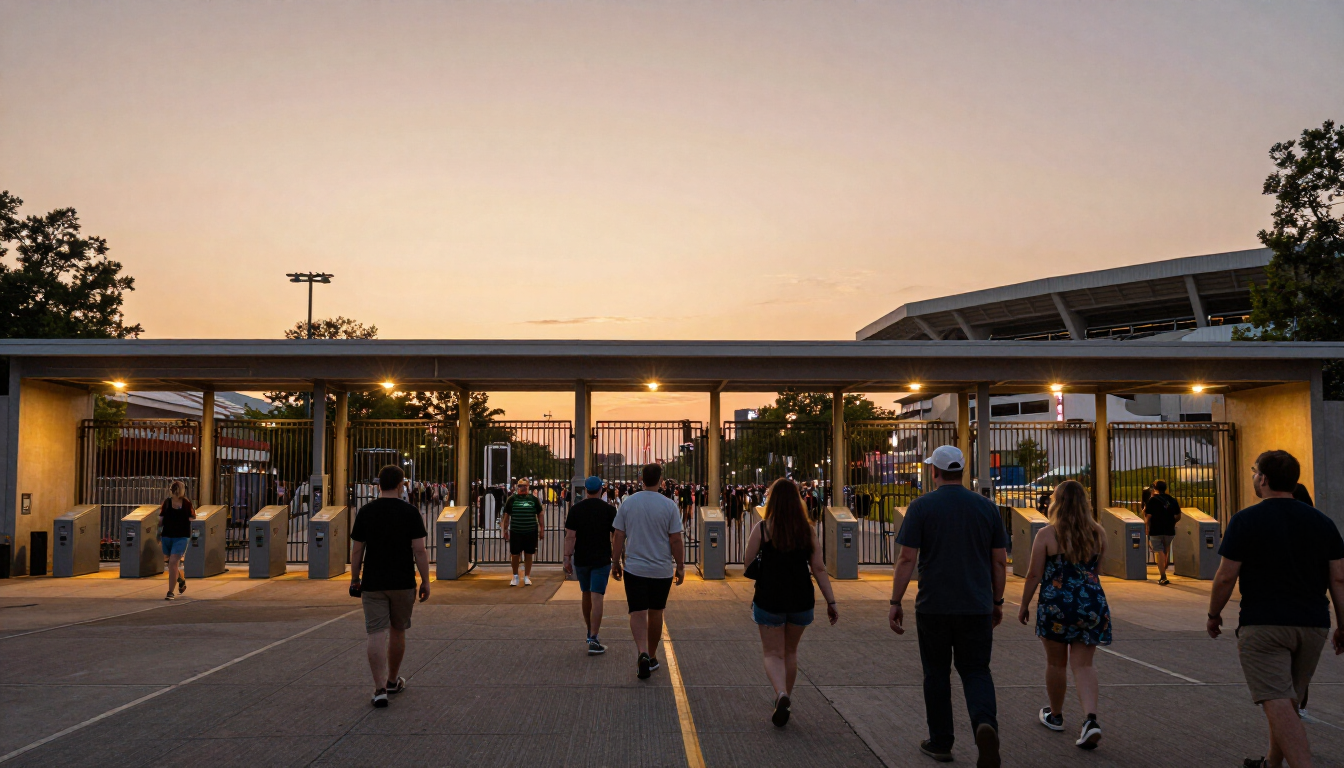
This page is your starting point for every VewTopia venue guide. Whether you are flying across the country for a tour stop or crossing town for a festival weekend, the guides here break down the logistics that shape your trip: parking, transit, gate policies, and where to sleep.
We cover venues like MetLife Stadium in East Rutherford, Madison Square Garden in New York, Crypto.com Arena in Los Angeles, and Wembley Stadium in London — each with its own arrival quirks and hotel landscape. Selecting a venue requires balancing technical production requirements with the attendee experience, and our guides help you understand what to expect before you commit to a trip. For city-level planning that ties several venues together, browse concert and festival destinations and pair it with our concert travel planning resources before you book anything.
Disclosure: Some individual venue pages include affiliate hotel or ticket partner modules. If you book through those links, VewTopia may earn a commission at no extra cost to you. This does not affect our editorial recommendations.
The template
What every Vewtopia venue guide includes for top artists
Every individual venue page follows the same template so you know exactly what information you will get, regardless of the city or venue size. A successful venue creates an environment conducive to both performance and audience engagement — and your planning should reflect that.
Each guide covers:
- Neighborhood snapshot — What the area around the venue feels like, typical crowd mix, dining options, and whether it is walkable before and after a late night of live music. Basic amenities such as clean restrooms and food options are expected by guests, and we note where the area delivers or falls short.
- Getting to the venue — Airport options, regional rail and metro lines, rideshare pickup zones, and concert venue transportation advice tailored to locals and travelers. Sites should be located near transportation hubs with ample parking, and we flag when they are not.
- Parking and drop-off — On-site vs. off-site lots, pre-booking passes, garage height limits, and estimated egress times after a sold-out show. These are framed as ranges with clear caveats, not guarantees.
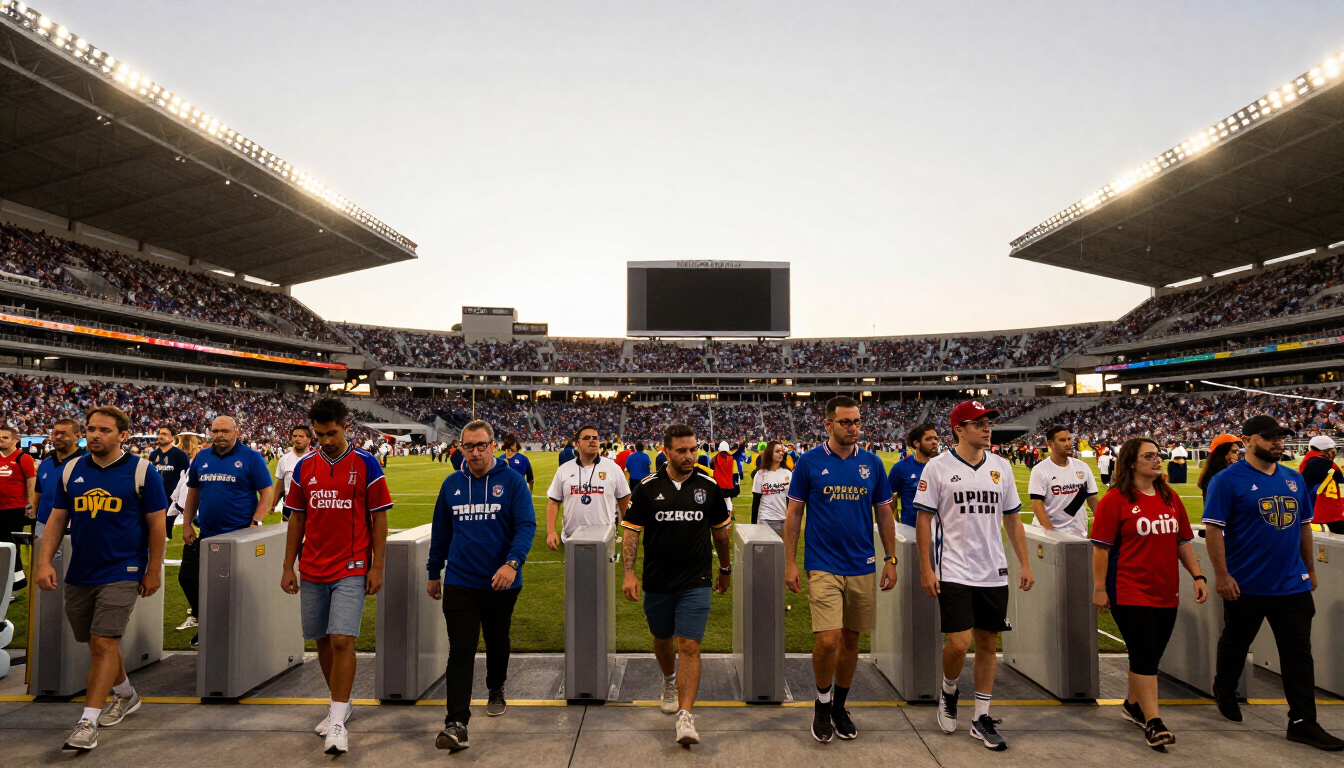
- Entry, security, and policies — Bag policies (clear bag or standard), mobile ticketing, cashless concessions, typical door times, and common prohibited items. We always recommend you check the official site before you go, since rules can shift by event.
- Inside the venue — Seating and sightline quirks for stadium concerts versus arenas, roof and covered sections, and how sound quality varies between venue types. Purpose-built concert halls often offer the best acoustics, while multi-use stadiums trade sound precision for scale. Weather contingencies are crucial for outdoor venues and festivals, and we note roof coverage or lack thereof.
- Nearby before-and-after options — Bars, restaurants, and public spaces where fans usually gather before and after shows. No chain recommendations unless they are locally iconic.
- Backstage and production context — Venues should have adequate backstage facilities for performers and crew, and we note stage configurations (end-stage vs. in-the-round) that affect your sightlines.
Planning for festivals includes evaluating site layout, crowd flow, and available infrastructure. Venues must be evaluated for maximum safe capacity and crowd flow, and venue evaluation should consider safety procedures and crowd-control systems. Audience comfort, safety, and overall vibe are essential for a successful concert or festival — so we cover all of it.
Browse
Browse live music stadiums
Stadiums host the biggest names in live music — massive tours and multi-day festivals that draw tens of thousands of fans. VewTopia groups them in a dedicated directory so you can find arrival, parking, and hotel details for each one.
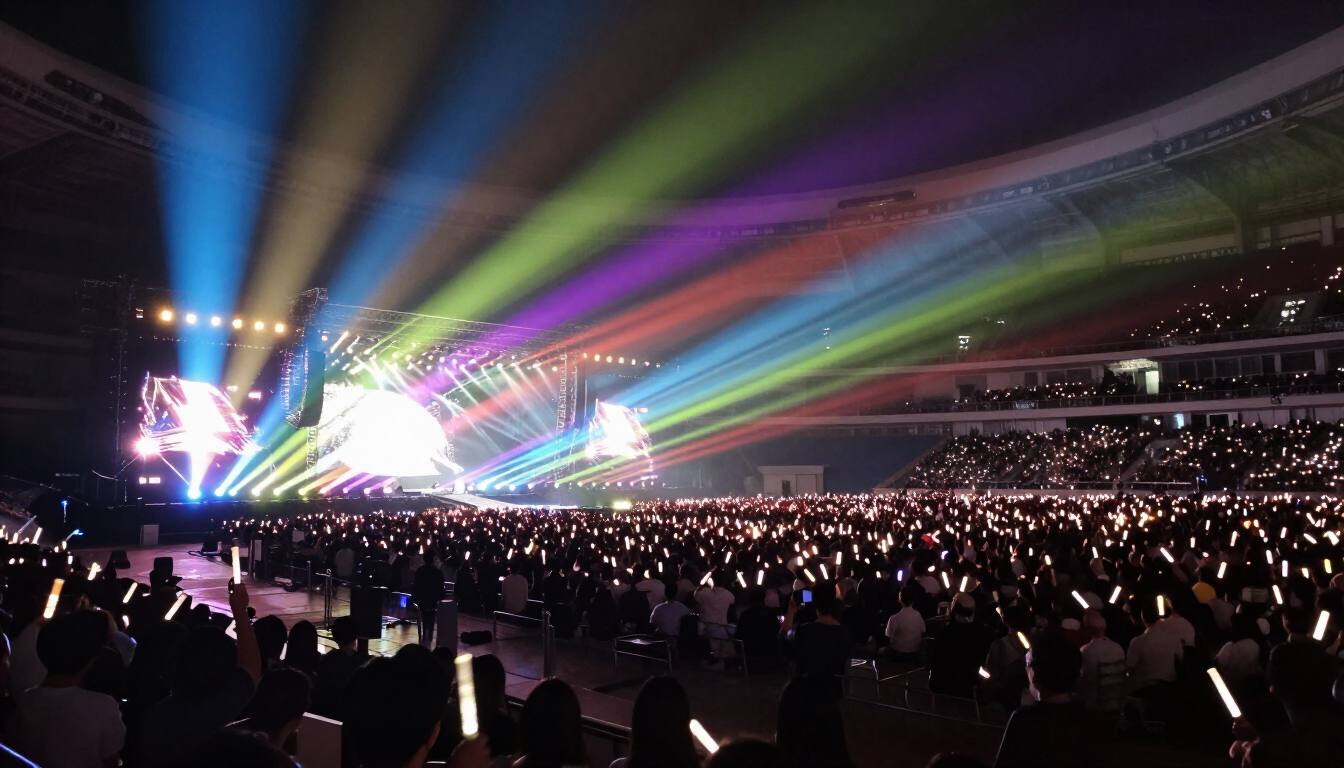
Browse our full list of stadium concert travel guides to find your venue, or start with our stadium concert travel guide for a primer on how stadium shows work. Filter by region, city, or concert season — summer tours (July through September), festival weekends (August and beyond), and one-off spectacles.
- AT&T Stadium in Arlington — covered retractable roof, massive parking grid, dedicated rideshare zones.
- Allegiant Stadium in Las Vegas — walkable from the Strip, limited on-site parking, strong transit links.
- Soldier Field in Chicago — lakefront location, multiple transit options, tight post-show egress.
- Wembley Stadium in London — rail-heavy access, no on-site general parking, well-documented entry policies.
- The Hollywood Bowl hosts classical symphonies and pop concerts in Los Angeles, with its own arrival logistics distinct from enclosed stadiums.
Each stadium listing will later include embedded hotel modules and transit summaries, but those commercial elements live on the venue pages, not this directory hub.
Browse
Browse live music arenas
Arenas are often easier to navigate than stadiums, but they still require smart travel planning — especially when located in dense downtowns where parking is limited and traffic patterns shift on event nights.
See all arena concert venue guides to compare venues by city, neighborhood, and transit access. For a deeper look at what to expect inside, read the arena concert travel guide.
- Madison Square Garden in New York — located above Penn Station, strong subway and commuter rail access, minimal nearby parking.
- Crypto.com Arena in Los Angeles attracts top-tier concerts by global superstars, with metro access and large adjacent parking structures.
- United Center in Chicago — surrounded by surface lots, CTA bus routes, and rideshare staging areas.
- O2 Arena in London — Jubilee line access, river bus options, and a dedicated entertainment district around it.
- Anaheim’s Honda Center hosts major music acts like BTS and has hosted acts like No Doubt. It offers large on-site parking and easy freeway access.
- Sacramento’s Golden 1 Center hosts big-name artists in the heart of the city’s downtown grid.
- The House of Blues in Anaheim hosts both up-and-coming and famous artists in a smaller, more intimate setting. Nearby, the Grove of Anaheim has a capacity of 1,700 seats for mid-size shows.
Some arenas double as NBA or NHL homes, so venue guides show how game-day schedules and back-to-back events can affect your concert travel plans. The venue’s acoustics and sound quality significantly impact the concert experience, and arena guides note where sound excels or where you might want earplugs in certain sections.
Browse
Browse by destination for top artists
Browsing by destination lets you plan an entire concert trip around a city, not just a single venue. Browse concert and festival destinations to see how each city connects its stadiums, arenas, and smaller clubs into a live music ecosystem.
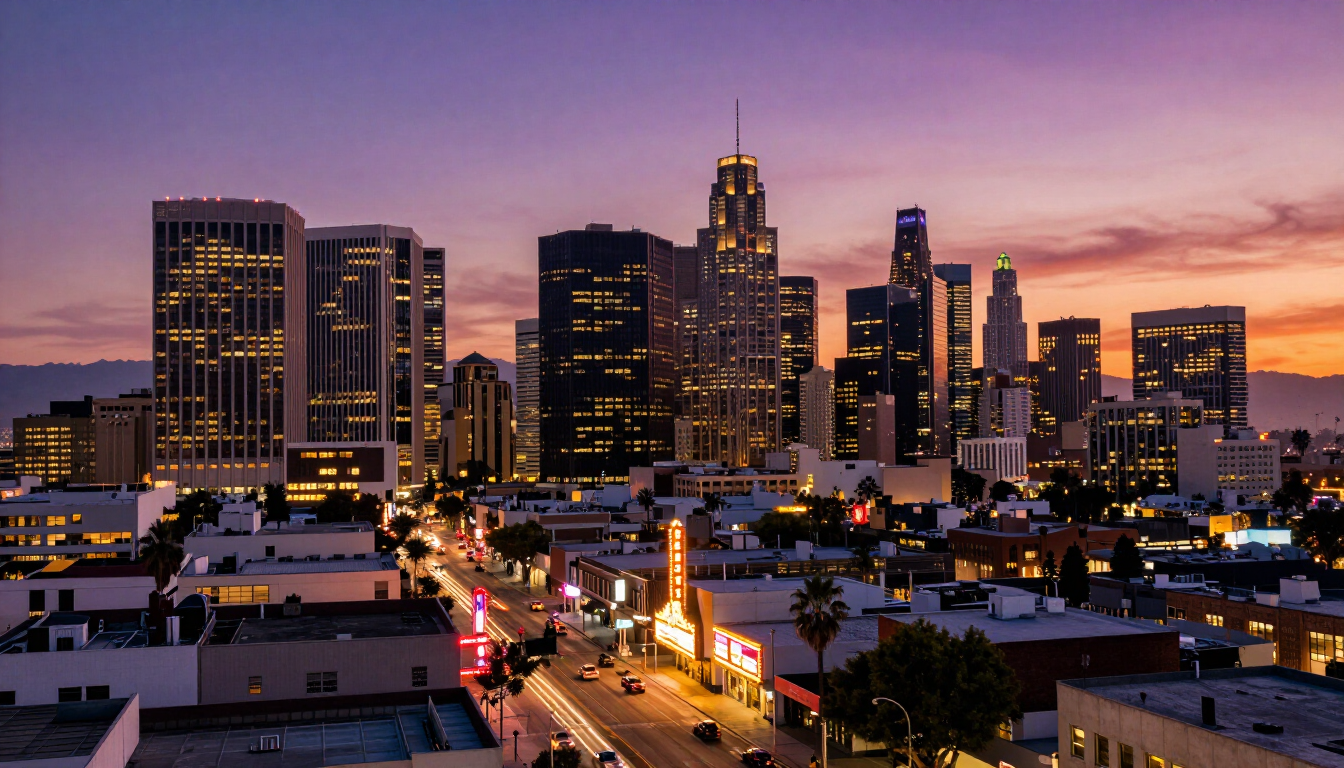
- Los Angeles features diverse genres from pop to jazz, spread across venues from the Hollywood Bowl to Crypto.com Arena.
- New York City — MSG, Barclays Center, and dozens of smaller stages across Manhattan and Brooklyn.
- Austin hosts nightly shows in various venues and is home to the Austin City Limits Music Festival, one of the world’s marquee music events.
- Nashville — a year-round destination for live bands across honky-tonks, theaters, and Nissan Stadium.
- Sacramento hosts the Aftershock music festival annually in Discovery Park, plus the GoldenSky Country Music Festival featuring top country artists, the Holo Holo Music Festival celebrating island and reggae music, Concerts in the Park as a free summer series, and the Ace of Spades featuring up-and-coming acts.
- London, Berlin, and Tokyo — each with distinct transit systems, venue clusters, and festival seasons worth exploring.
Destination pages summarize which airport to fly into, where visitors usually stay for big shows, and how long transfers to major venues typically take — always framed as ranges based on transit mode and time of day. Interactive maps live on individual destination or venue pages.
Trust
How venue policies are verified
Rules for parking, bags, ticketing, and entry change often. Licensing and permits are required for venues to host live entertainment, and those requirements shift. VewTopia treats verification as a core part of every concert venue guide.
- We check official venue websites, their “Plan Your Visit” or “A-Z Guide” pages, and ticketing platform event-specific pages before updating content.
- Official city or regional transit authority sites provide metro, rail, and bus schedules.
- We never guess at prices, opening times, or security rules. Guides speak in ranges and always recommend confirming details with official sources on your event day.
- Each venue page includes a “Last verified” timestamp near the top, showing the most recent date that policies were checked.
Examples of verified policy types include clear-bag rules at NFL stadiums (the 12×6×12-inch standard has been common across venues for years), cashless-only concession policies like PNC Bank Arts Center’s fully cash-free operation, and event-specific bag changes — such as State Farm Arena’s standard policy shifting to a 14×14×6-inch clear bag requirement for certain tours in July 2026.
When information is unavailable or contradictory, the guide says so transparently and points you to the venue’s official channels.
Sources consulted for policy verification include each venue’s official website, ticketing-platform event pages, and regional transit authorities. See the official sources list below.
Where to stay
Hotel and transportation planning
Many readers are flying in to see top artists or festivals, so hotel location and transport logistics can shape the entire trip. VewTopia venue guides organize hotel areas by proximity and purpose.
- Walking-distance stays — For fans who want to be near the venue and avoid post-show transit. Often pricier and limited during sold-out weekends.
- Central-city neighborhoods — Better access to restaurants, night life, and morning flights or trains. A good place to base yourself if you are visiting multiple venues.
- Airport-adjacent options — Quick in-and-out trips where convenience outweighs atmosphere.
Hotel suggestions are organized by area, not by specific brands. Commercial hotel modules and affiliate links only appear on individual venue pages with a brief disclosure.
Transportation advice covers airport transfers, metro and commuter-rail options, local buses, and typical rideshare pickup zones after concerts. At PNC Bank Arts Center, for example, rideshare and taxi zones are in Lot 10, and post-show trains toward New York depart around 12:40 a.m.
Guides flag common tradeoffs: staying downtown for restaurants vs. near the stadium for easy late-night walks, or choosing transit over driving when parking is limited and expensive. For broader strategies on combining flights, hotels, and multiple venues in one trip, visit concert travel planning.
Commercial hotel modules and affiliate links appear only on individual venue pages, below the primary editorial content, with a plain-language disclosure near the first module.
Access for every fan
Accessibility and arrival considerations
Arrival planning must work for every fan, including disabled travelers, families with kids, and guests unfamiliar with big-venue security lines.
- Accessible parking and entrances — Guides note accessible parking locations, step-free entrances, and elevator access at each venue. Accessibility features should include ADA-compliant ramps, restrooms, and seating areas.
- Wheelchair and companion seating — Where available sections are located, how to request them, and whether the venue offers assistive listening devices or sign-language interpretation.
- Official accessibility channels — Each guide points to the venue’s dedicated ADA page, contact email, or phone line for accommodations.
- Arrival timing — For standard entry, doors typically open 60–90 minutes before showtime. VIP or early access may open 30 minutes sooner. Security checkpoints and bag policy checks can add significant time, especially at stadium-scale events.
- Exiting after the show — Dense crowds, delayed transit, and rideshare queues are common. Guides note where separate exits or early-departure options exist for guests who need extra time or quieter routes out.
These guides do not give medical or legal advice. They summarize access logistics and point to official channels where detailed support is managed.
Every venue guide links directly to that venue’s official ADA or accessibility page so you can confirm current accommodations before you travel.
Questions
FAQ
These FAQs cover common planning questions not fully answered in the sections above.
How early should I arrive for a stadium concert?
For standard tickets, plan to arrive 60–90 minutes before showtime. If you need to park on-site or expect intensive security checks, add another 30 minutes. Floor and general admission fans often line up earlier, but venue guides focus on official recommendations rather than encouraging unsafe overnight camping. Every venue guide reminds you to check door times on the ticket or the venue's official page for your specific date, as these can shift by artist and event.
Is it better to stay near the venue or in the city center?
It depends on your priorities. Staying near the venue makes late-night departures easier — you can walk back to your hotel instead of waiting in rideshare queues. Staying in the heart of the city center gives better access to restaurants, nightlife, and morning flights or trains. VewTopia venue guides outline several hotel areas, who each area is best for, and how long it typically takes to reach the venue from each zone. There is no single best choice; the guide helps you match location to your budget, accessibility needs, or sightseeing plans.
Can I rely on rideshare after a big concert?
Rideshare usually operates after major events, but surge pricing, road closures, and long pickup queues are common — especially at stadiums with 50,000-plus fans. Venue guides describe typical rideshare pickup zones, where they are located relative to exits, and realistic wait expectations based on local traffic patterns. Consider backup options like pre-booked parking, nearby hotels within walking distance, or local transit, especially on weeknights or in cities with limited late-night service.
Do VewTopia guides include ticket prices or resale advice?
Venue guides do not list specific ticket prices, discounts, or resale guarantees. These change quickly and depend on the artist, date, and market demand. Instead, guides focus on how different seating areas affect your experience, how to read venue maps, and what to consider when choosing between levels or sections. Any commercial ticket modules are labeled and separated from editorial content, and you are always encouraged to compare options and review official policies before purchasing.
Official sources
Sources consulted for venue policies, transit details, and logistics include official venue websites and their “Plan Your Visit,” “Know Before You Go,” or “A-Z Guide” pages for each stadium and arena; official city or regional transit authority sites such as Transport for London, MTA (New York), LA Metro, CTA (Chicago), NJ Transit, and equivalent agencies for each destination; and airport ground transport and accessibility sections from each airport’s official site. Only sources actually used for the current update appear on the live page — no placeholder references.
Last verified: 26 July 2026
Policies, transit schedules, and accessibility details are re-checked against official sources on a rolling basis and updated here whenever a change is verified.