
Start here
Key Takeaways
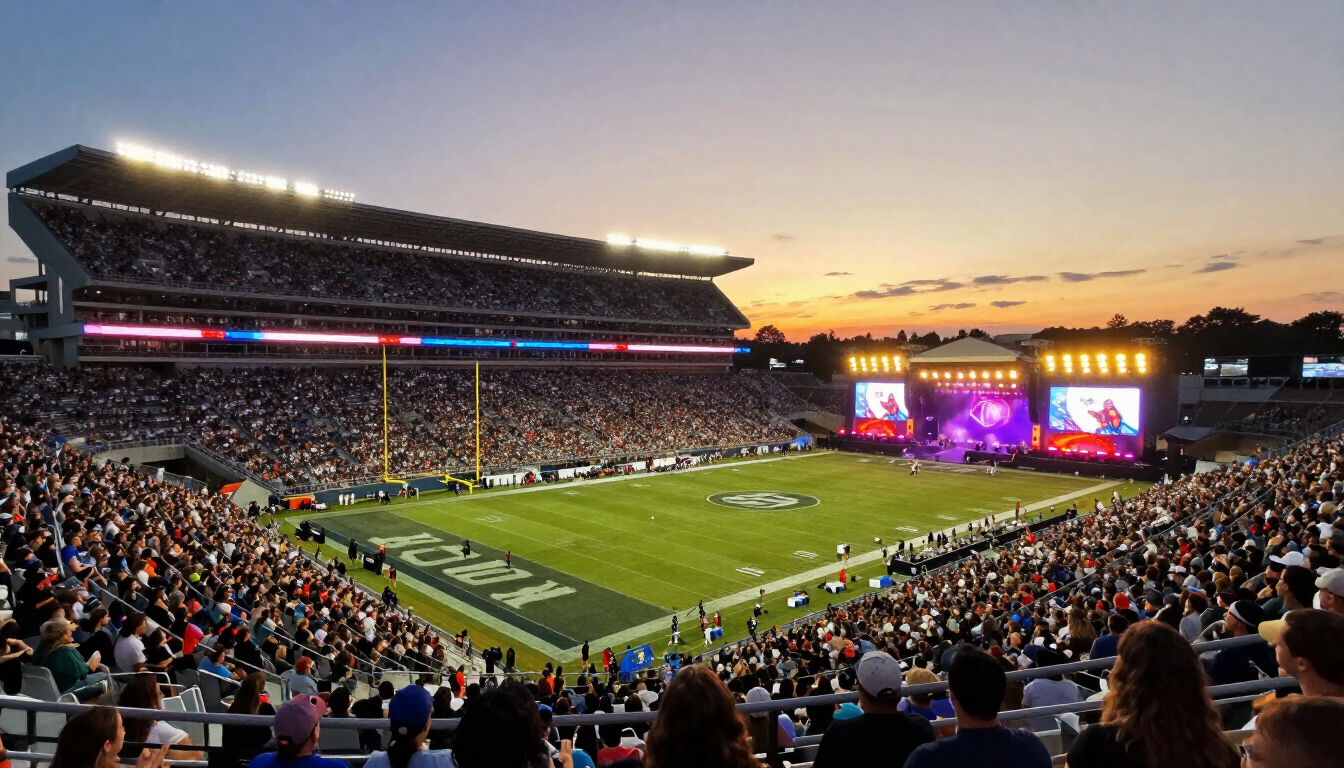
Stadium concerts involve bigger crowds, stricter security policies and longer timelines than arena or club shows. A venue holding 60,000–100,000 fans creates challenges you simply do not face at a 15,000-seat indoor events space, from entry screening to post-show traffic.
This guide focuses on how to choose seats, where to book hotels, when to arrive and how to get out efficiently after the encore. Each section covers tradeoffs so you can plan around your budget, comfort level and travel style.
Always confirm the official ticket seller, the venue bag policy, the full list of permitted items and prohibited items shortly before you travel. Policies change between tours and seasons.
The sections below link out to broader resources for concert travel planning, weekend trips and venue- or destination-specific guides for deeper research, along with our destinations hub when you want to pair a show with a city you have always wanted to visit.
At a glance
Quick Facts & Planning Snapshot
Stadium capacity
60,000–100,000 fans (MetLife Stadium ~82,000; Ohio Stadium 100,000+)
Ticket pricing
Lower bowl, upper deck and GA floor tiers vary widely; single seats often list cheaper
Hotel costs
Walkable rooms cost the most; rates climb sharply as the show date nears
Flight options
Fly in a full day early to buffer delays before a night-of-show entrance
Transportation
Driving and parking (~$20+), public transit, rideshare or a walkable base
Timing
Gates open 90–150 min before showtime; plan a 3–6 month booking window
Decision framework: pick your city and date first, then let your seat choice drive budget, arrival time, weather exposure and exit path. Comparison categories: weigh ticket tier, hotel distance, transport mode and weather across the specific stadium. Budgeting approach: plan tickets, hotel nights, transport, food and a buffer for parking or rideshare surges separately, and book flexible options early.
Scale changes everything
Why Stadium Concerts Require Different Planning
Picture the difference between a 15,000-seat indoor arena and MetLife Stadium in New Jersey at 82,000 capacity, or Ohio Stadium in Columbus topping 100,000. Scale changes everything.
Bigger capacity means longer ticket buying windows, slower entry screening and heavier post-show traffic. Public transportation stations adjacent to the venue can hit surge capacity within minutes of the final song, and parking lots may take 45–90 minutes to clear. Most stadiums enforce security measures that go beyond what you experience at clubs or theaters.
Many stadium shows are outdoor concerts, which means weather, sun exposure and wind become as important as set times. Reviewing venue policies regarding prohibited items is recommended well before travel day, because many stadiums implement a clear bag policy that limits what guests entering the facility can carry.
Even if you live within driving distance, treat the event as a concert trip rather than just a night out. That mindset shift is the most important thing you can do for a stress-free experience. For a wider look at how to approach live-music travel, visit our broader concert travel planning hub.
Fast answer
Quick Stadium Concert Trip Planning Roadmap
If you are short on time, here is the fast-answer version. Each step gets a full section below, and building the whole thing into a broader weekend trips plan often spreads travel costs across more of the experience.
- Pick your city and date. Research the tour route, compare cities and decide whether to build a weekend trip around the show.
- Choose your seats. Lower bowl, upper deck or GA floor each affect your budget, arrival time and weather exposure.
- Book your hotel. Check walking distance to the stadium and proximity to transit lines. Book months in advance for major tours.
- Decide on transport. Weigh driving versus public transportation versus rideshare before you purchase tickets or lock in a room.
- Set your arrival timeline. Gates generally open 90–150 minutes before showtime. Work backwards from first song.
- Plan your exit. Know your route out before you walk in. Post-event crowd dispersal can take significant time.
- Pack to stadium policy. Confirm the venue's bag restrictions, then split your gear between hotel, car and gate bag.
Where you sit
Seat and Entry Considerations
Your seat choice drives almost every other travel detail: budget, arrival time, weather exposure and exit path.
- Lower bowl seats put you closer to the stage with stronger sound, but expect steeper stairs and a longer walk from the concourse.
- Upper deck seats save money and offer a panoramic view, but you are further from the action, more exposed to wind and rain, and sitting at a greater distance from exits.
- GA floor / field tickets deliver the highest energy. They are standing-only at most stadiums, require the earliest arrival and offer limited shade or amenities.
Watch out for partially obstructed views. Seats behind the stage at venues like Lumen Field in Seattle can leave you with almost no sightline. Use fan-uploaded photos on seat-review websites before you purchase.
For accessibility, venues are required under ADA standards to provide wheelchair-accessible seating with comparable sightlines, companion seats and equal-price availability. Ohio Stadium provides complimentary wheelchair service for guests who need assistance reaching their section. Always visit the venue's accessibility page or contact the ticket office before booking.
Most stadiums now use mobile-only tickets. Screenshots may be invalid, so load your ticket into Apple Wallet or Google Wallet in advance. Confirm transfer rules if you purchased through a secondary marketplace.
VewTopia may earn a commission if you book through links on this page, at no extra cost to you.
If you are buying through a secondary marketplace, verify the seller's transfer and buyer-protection rules before you pay, since resale policies vary by platform and by venue. At the gate, expect walk-through metal detectors and an inspection of any bag you carry. Arrive early to avoid long lines at security. Many venues operate separated lanes for patrons with no bag at all, which speeds up entry. When possible, choose a less popular gate on the east or west side of the stadium instead of the main entrance to save time waiting in line.
Dress for the field
Weather and Footwear for Outdoor Concerts
Weather planning is practical, not paranoid. Many NFL and college stadiums are open-air or only partially covered, so you are exposed for hours.
Hot-weather shows:
- Sun angle matters. End-zone and west-facing seats can bake in direct afternoon sun for two or more hours before a headliner plays.
- Bring sunscreen to protect against sun exposure, and wear a cooling towel to help regulate body temperature.
- Stay hydrated to prevent heat stroke during concerts. Do not rely on alcohol or sugary drinks alone.
Cold or shoulder-season shows:
- April at Soldier Field in Chicago or a November date at a northern college stadium can drop temperatures sharply after sunset.
- Wind off a lake or across open upper decks makes the "feels like" reading much lower. Layer a windbreaker over a base layer, and skip the t-shirts if forecasts show a temperature drop.
Rain:
- Plan for rain by bringing a pocket-sized poncho. Most stadiums restrict or ban umbrellas, so a poncho is more reliably allowed.
- Protect your phone with a waterproof sleeve. Check if compact rain jackets fit within the venue's bag restrictions.
Footwear:
- Wear broken-in sneakers or sturdy shoes. Avoid flip flops and heels — concrete ramps, wet stairs and long walks punish flimsy shoes.
- Walking distance from parking lots or transit stations can reach 15–25 minutes at large complexes, so your shoes need to handle that plus hours of standing.
Check local hourly forecasts and the stadium's inclement-weather policy on its website 24–48 hours before the show.
Where you sleep
Hotel Location and Walking Distance
Hotel choice is a tradeoff between price, sleep quality and how stressful your concert night feels. Selecting a hotel near the stadium reduces travel time significantly, but proximity usually costs more.
VewTopia may earn a commission if you book through links on this page, at no extra cost to you.
Three main strategies:
- Walkable hotels (within about 15–20 minutes on foot) cut stress on show night. Entertainment districts near stadiums — like the Glendale area adjacent to State Farm Stadium — often cluster hotels, late-night food and well-lit routes.
- Hotels near a key transit line let you skip traffic entirely. Booking accommodation near public transit can enhance the concert experience and simplify your exit.
- Budget hotels further out near major highways save money but require reliable transport and more buffer time.
When you compare distance-based search filters on a hotel booking site, sort by walking time to the stadium and by proximity to the transit line you plan to use. Booking hotel rooms months in advance is crucial for stadium events, especially during holiday weekends or blockbuster tours. Expect rates to climb as the show date approaches.
Think about noise. Nightlife-heavy districts stay loud until 2 a.m. Business areas empty out after office hours and are quieter but may feel isolated. Check recent traveler reviews for honest takes on safety and comfort when returning late at night.
For a deeper breakdown of pairing lodging with transit, visit our hotels and transportation planning page.
Getting there and back
Parking, Public Transportation, Transit and Rideshare
Decide on your primary transport before you purchase tickets or book a room. That single decision shapes your arrival window, your exit plan and your budget.
Driving and parking:
- On-site stadium parking lots are straightforward but generally cost more. Parking costs around $20 at many venues, though flagship events can push fees higher. Purchasing official, pre-paid parking passes in advance is recommended to guarantee a spot.
- Parking lots closest to the stadium usually take the longest to exit after an event. Off-site lots located a 10–25 minute walk away are cheaper and often clear faster.
- Know when lots open. At GEHA Field in Kansas City, parking lot gates open roughly 4.5 hours before kickoff, well ahead of stadium gates.
Public transportation:
- Public transit often provides the fastest access to large stadiums and avoids traffic entirely. Public transit access is crucial for major stadium events operated in dense urban areas with limited on-site vehicle parking.
- Check last-train times. Post-show surges can overwhelm the nearest station, so know alternative stops and be prepared for holding patterns that manage heavy pedestrian traffic.
Rideshare:
- Stadiums typically designate pickup and drop-off zones with geofenced boundaries. Surge pricing spikes right after the encore. Walk a few blocks from the main entrance to find lower fares and shorter waits.
- Plan pick-up timing slightly after peak exit flow to avoid the worst congestion.
On show day, check the venue or city transportation website for special event timetables, shuttle buses and road-closure maps.
When to show up
Arrival Timeline
Arrival is a strategy question, not just a time printed on your ticket. Arriving 60 to 90 minutes before the concert allows time for security and finding your seat, but the right window depends on your ticket type.
- GA floor or pit wristband holders: Arrive as soon as gates open. Position matters, and the line builds fast.
- Reserved seat holders: You have more flexibility. Aim for 45–60 minutes before the first act to browse merch, grab food and use the restroom without rushing.
Plan backwards from the first song. Factor in security screening, the walk from your car or transit station, a possible merch stop and a bathroom visit. At sold-out shows, expect each step to take longer than you think.
Build buffer time for late trains, rideshare delays or detours caused by construction or road closures around the stadium. If buildings or blocked streets force a longer walk, you want that cushion.
Families with kids, older travelers or anyone needing accessibility assistance should allow extra time for elevators, escalators and staff help.
Weekday versus weekend: Weekday shows can collide with rush-hour traffic, making drive times unpredictable. Weekend shows may have reduced transit service after midnight. Adjust your plan accordingly.
After the encore
Post-Show Exit Strategy
Plan your exit before the show starts. Sixty thousand fans all head for the same concourses and stairways in the first 10–15 minutes after the final song, so improvising rarely works well.
Controlled exit routes are often implemented after concerts to manage flow. If you linger 20–30 minutes in your seat or on the concourse, the aisles and gates clear considerably.
Tactics by transport:
- Transit riders: Head straight for the station if you need the last train. Be aware of one-way pedestrian systems and platform holding patterns at the nearest stop.
- Drivers: Expect 45–90 minutes of gridlock in the closest lots. Keep snacks and water in your vehicle so waiting is more comfortable. Walking is often the best strategy for transportation after a concert — at least to reach a less congested lot or street.
- Rideshare users: Walk several blocks from the main gate before requesting a ride. Surge pricing and congestion drop quickly with distance.
Safety basics:
- Agree on a meeting point with friends before the show in case phones die or cell networks jam.
- Stay in well-lit, populated areas. Avoid shortcuts through dark or unfamiliar streets.
- Do not book the earliest flight or long train the next morning. Give yourself a realistic departure window.
Pack smart
What to Pack: Stadium Concert Travel Checklist
Think of packing in three groups, and always adapt this list to the venue's official permitted items and prohibited items page.
1. Stays at the hotel: Extra clothes, main luggage, valuables you do not need at the show. Lay out your room key, transit card, comfortable return shoes and a phone charger before you leave.
2. Lives in the car or day bag: Backup layers, snacks for the drive home, a water bottle, cash in case you need it outside the venue.
3. Goes through the stadium gate:
- Photo ID and mobile ticket loaded on your phone
- Small clear bag (where allowed; typical limit is 12″ × 6″ × 12″). Some venues also permit fanny packs within size limits.
- Payment card or mobile wallet
- Earplugs — concerts regularly exceed 100 dB
- Travel-size sunscreen and a compact poncho for outdoor concerts
- Portable phone charger (confirm it is not on the restricted list)
Common stadium bans include the following items: large backpacks, outside food and drink, hard-sided containers, professional cameras, selfie sticks, vape pens, fireworks, and weapons. At Ohio Stadium, bags or purses of any size are not permitted, weapons are strictly prohibited, and tobacco products are not allowed. Policies vary, so always check the venue's A–Z guide on its website.
Pack light. Fewer items means a faster inspection at the gate and less to juggle in crowded aisles.
Inside the gates
Food, Water and Alcohol Choices
Stadium food and drink decisions affect cost, comfort and safety over what can be a five-to-seven-hour evening.
Modern arenas and stadiums often operate as entirely cashless environments. All concession locations at Ohio Stadium are cashless, for example, so confirm whether your venue accepts cash, cards or mobile wallets only before you head inside.
Eat a balanced meal near your hotel or in an adjacent district before entry. In-stadium concessions are expensive and lines are long. Ohio Stadium offers a variety of food options including hot dogs and nachos, but relying solely on concession food for a full evening gets costly.
Hydration matters more than most fans expect. Water refill stations are located on all soda fountain machines at Ohio Stadium, and many other stadiums provide similar access. Fill up before and during the show, especially in heat.
Alcohol rules vary widely. Alcoholic beverages are not allowed inside Ohio Stadium, while other venues limit sales by time or enforce strict ID checks and per-purchase limits. At stadiums with a designated driver program, complimentary soft drinks are available — Ohio Stadium runs one. If you plan to drink at venues that do allow alcohol, designate a sober driver or use public transportation and rideshare. Note that smoking is banned at most stadiums, and guests cannot re-enter Ohio Stadium once they leave, so plan accordingly.
First aid stations are located throughout Ohio Stadium for emergencies, and the facility also has free period product dispensers in women's restrooms — details like these are helpful to know before you arrive.
For late-night food after the show, scope out options in advance. Stadium neighborhoods can empty fast, while city centers generally keep restaurants open later.
Make it a trip
Linking Your Concert to a Bigger Trip
A single stadium show can anchor a weekend or multi-city trip, especially for bucket-list tours or rare reunion concerts. Consider adding an extra day to explore local attractions when traveling for a concert.
Common patterns include choosing a city you have always wanted to visit along a tour route, or combining back-to-back stadium dates in nearby destinations. Our tour-stop planning guide helps you compare which city on a multi-date tour fits your budget and interests, and our destinations hub highlights cities that pair well with live-music travel.
Coordinate travel days with less-busy flights or trains. Avoid same-day long-haul travel plus a night-of-show entrance whenever possible. Layer in non-concert activities — neighborhood walks, local food markets, or a stadium tour on a non-event day — to make the trip feel complete.
Adding nights and extra transport changes your total trip cost, so booking in advance helps keep prices more predictable. Leave downtime between sightseeing and show night so you arrive at the stadium rested, not running on empty.
Answered
FAQ
These questions cover practical issues not fully addressed in the main sections above.
How early should I book a hotel for a stadium concert?
For major tours and holiday weekends, book as soon as the concert date is confirmed — ideally three to six months out. Walkable hotels near the stadium sell out or spike in price quickly. Midweek shows and smaller markets offer more flexibility, but earlier booking almost always means better rates and more choices.
What should I do if severe weather is forecast for my outdoor stadium concert?
Monitor the venue's official social channels and website for event-day alerts, and note that venue rules may restrict extended filming or professional recording equipment, so check whether taking video is limited before you attend. Most stadiums have shelter protocols and will communicate delays or cancellations through their app or email. Bring rain gear regardless of the forecast, and know the venue's refund or reschedule policy before you attend.
Is it better to drive or use public transportation to a stadium concert?
It depends on the city. Urban stadiums with limited on-site parking generally favor transit — faster in and out, no parking cost. Suburban stadiums with large lots can make driving easier, but expect long exit waits. If you plan to play it safe with alcohol, transit or rideshare removes the driving variable entirely.
Can I bring my own water bottle into a stadium?
Policies differ. Some venues allow empty clear plastic bottles that you can refill inside. Others ban all outside containers. Check the venue's A–Z guide on its official website within a few days of the show, because rules can change between events.
Official sources to verify before you go
Policies, transit timetables and neighborhood conditions can change between the day you book and the day you attend. Always verify details close to your travel date. Check the venue website for the current bag policy, permitted items list, security protocols and gate times. Confirm ticket rules — transfer restrictions, mobile-only requirements and resale policies — directly with the official ticket issuer. Review your city's transit authority site and local airport or rail operator for special-event schedules and service changes. Some venues sit within larger complexes such as a park, so also verify access routes and event-day crowd management for the surrounding grounds. For safe purchasing, look up consumer-protection or national ticketing guidance resources that explain how primary and secondary ticket markets work. Vewtopia content is designed as planning guidance, not a replacement for reading the stadium's own A–Z guide and event-day alerts.
- NFL Clear Bag Policy — nfl.com
- ADA Design Standards for Assembly Areas — ada.gov
- GEHA Field at Arrowhead Stadium A–Z Guide — chiefs.com
Required internal links
- /concert-travel/ — linked as "concert travel planning" in Key Takeaways and the Why Different Planning section.
- /concert-travel/weekend-trips/ — linked as "weekend trips" in Key Takeaways and the Quick Roadmap.
- /concert-travel/tour-stop-planning/ — linked as "tour-stop planning guide" in Linking to a Bigger Trip.
- /concert-travel/hotels-and-transportation/ — linked as "hotels and transportation planning" in the Hotel Location section.
- /destinations/ — linked as "destinations hub" in Key Takeaways and Linking to a Bigger Trip.
- /venues/ — linked as "destination-specific guides" in Key Takeaways.
Affiliate placement notes
A concise affiliate disclosure appears before the first commercial link in the Hotel Location and Walking Distance section, and again before the ticket-marketplace note in Seat and Entry Considerations. Hotel booking links belong only after that disclosure in the hotel section, and ticket marketplace links belong only after the disclosure in the seat section. No raw merchant URLs are used — spots are marked with the disclosure component for the implementation team to finalize.
VewTopia may earn a commission if you book through links on this page, at no extra cost to you.
Last verified: July 2026