
Start here
Key Takeaways
- Amphitheaters combine fixed seating near the stage with an open lawn area, so expect more weather exposure and different bag and blanket rules than at an indoor arena.
- Downtown and waterfront amphitheaters like Bayfront Park in Miami often sit within walking distance of hotels, unlike many suburban stadiums.
- Lawn tickets are usually the most affordable option but require earlier arrival for a good spot and a blanket or low chair where permitted.
- Use this hub to find a specific amphitheater venue guide, then check the individual page for hotel, parking, and entry details.
Context
How amphitheaters differ from arenas and stadiums
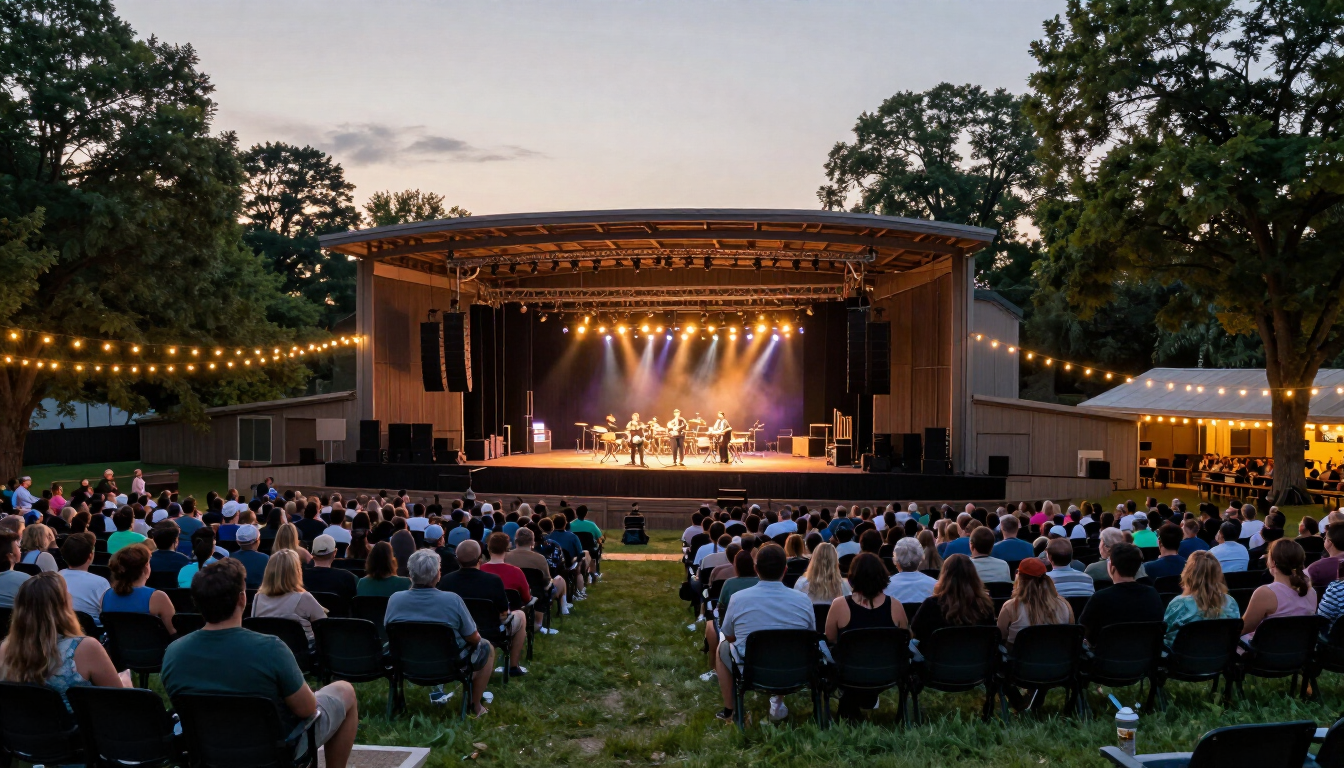
Amphitheaters are typically built as outdoor or partially covered venues, with reserved fixed seating closest to the stage and a general admission lawn area behind it. That layout gives amphitheater shows a different atmosphere than an enclosed arena — more sky overhead, more picnic-style seating, and generally a more relaxed dress code — but it also means weather, sun, and rain planning matter far more than they do indoors.
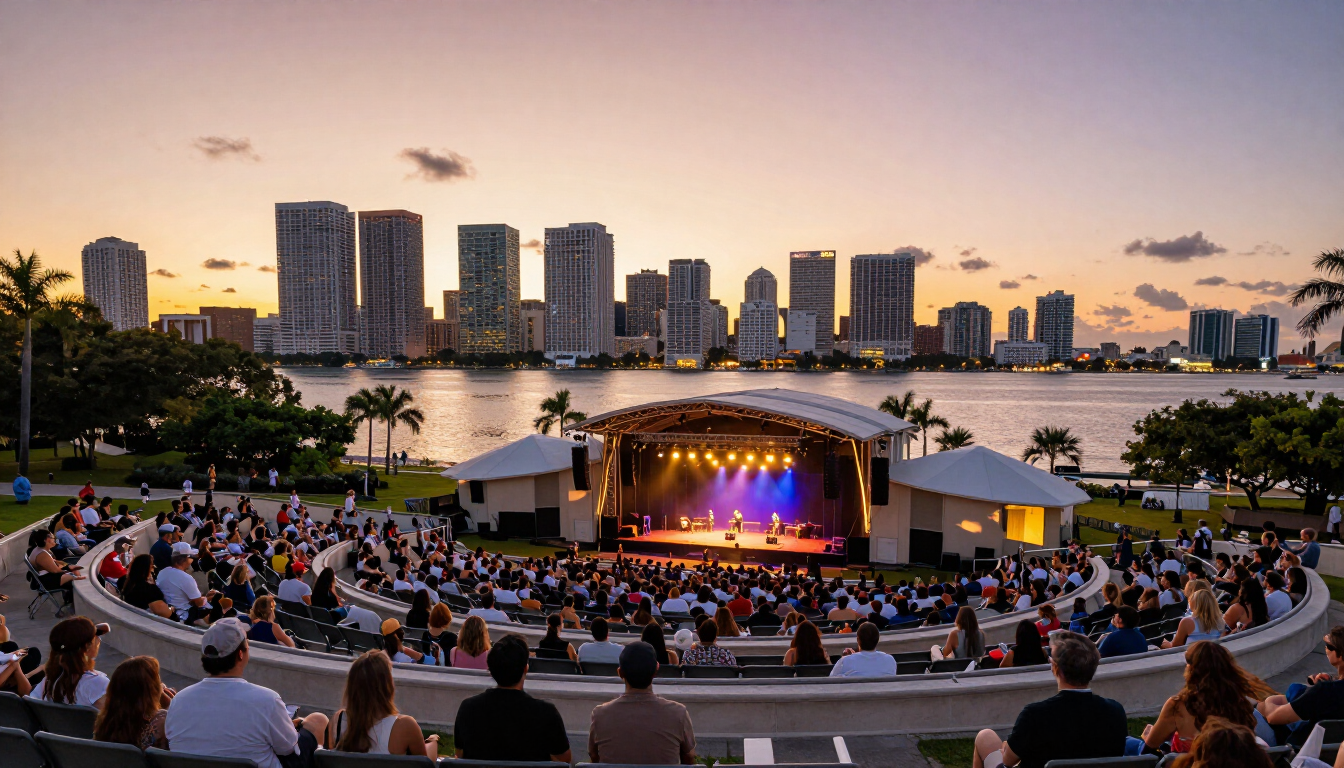
Downtown and waterfront amphitheaters add another layer of convenience that suburban stadiums often lack: walkable hotels, nearby restaurants, and transit connections that let you skip parking altogether. Bayfront Park's FPL Solar Amphitheater in Miami is a strong example of this pattern, sitting directly on Biscayne Bay within a short walk of several downtown hotels.
Directory
Featured amphitheater venue guides
Lodging
Hotel zone strategy for amphitheater shows
VewTopia may earn a commission if you book through links on this page, at no extra cost to you.
Because many amphitheaters sit closer to downtown cores than large stadiums do, walkable hotels are often a realistic option. Prioritize properties within a half-mile of the venue when the surrounding neighborhood is safe to walk at night, and fall back on transit-friendly or rideshare-friendly zones further out for larger or later shows.
Show day
Entry, bag policies, and security
Clear-bag policies are standard at most amphitheaters, similar to arenas and stadiums, but lawn areas often add their own rules for blankets, low chairs, and coolers. Always confirm the specific venue's current policy before you pack, since lawn allowances vary from building to building and can change between seasons.
Planning ahead
Accessibility at amphitheater venues
Accessible seating at amphitheaters is usually located in the fixed-seat section rather than on the lawn, with accessible routes connecting parking or transit drop-off points to the seating bowl. Contact the venue in advance to confirm accessible seating, companion seats, and any sensory accommodations available for your specific event.
Questions
FAQ: Amphitheater concert planning
What makes an amphitheater different from an arena or stadium?
Amphitheaters are typically outdoor or partially covered venues with a mix of fixed seating close to the stage and an open lawn area further back, while arenas and stadiums are fully enclosed or built primarily for other sports. That outdoor layout means weather, sun exposure, and blanket or lawn-chair rules matter far more at an amphitheater than at an indoor arena.
Do amphitheaters have the same bag policies as arenas?
Most amphitheaters use a similar clear-bag standard to arenas and stadiums, but lawn areas often add their own rules around blankets, low chairs, and coolers that indoor venues do not need to address. Always check the specific venue's official policy before you pack, since lawn-specific allowances vary from building to building.
Is lawn seating or fixed seating better at an amphitheater?
Lawn seating usually costs less and allows a relaxed, blanket-and-picnic atmosphere, while fixed seating closer to the stage gives you a guaranteed spot and often better sightlines and sound. The right choice depends on whether you prioritize budget and flexibility or proximity and comfort for a specific show.
Official sources
Always verify bag policies, lawn rules, parking rates, and gate times on the official venue website close to your event date, since these details can change by season or tour.
Last verified: July 2026