
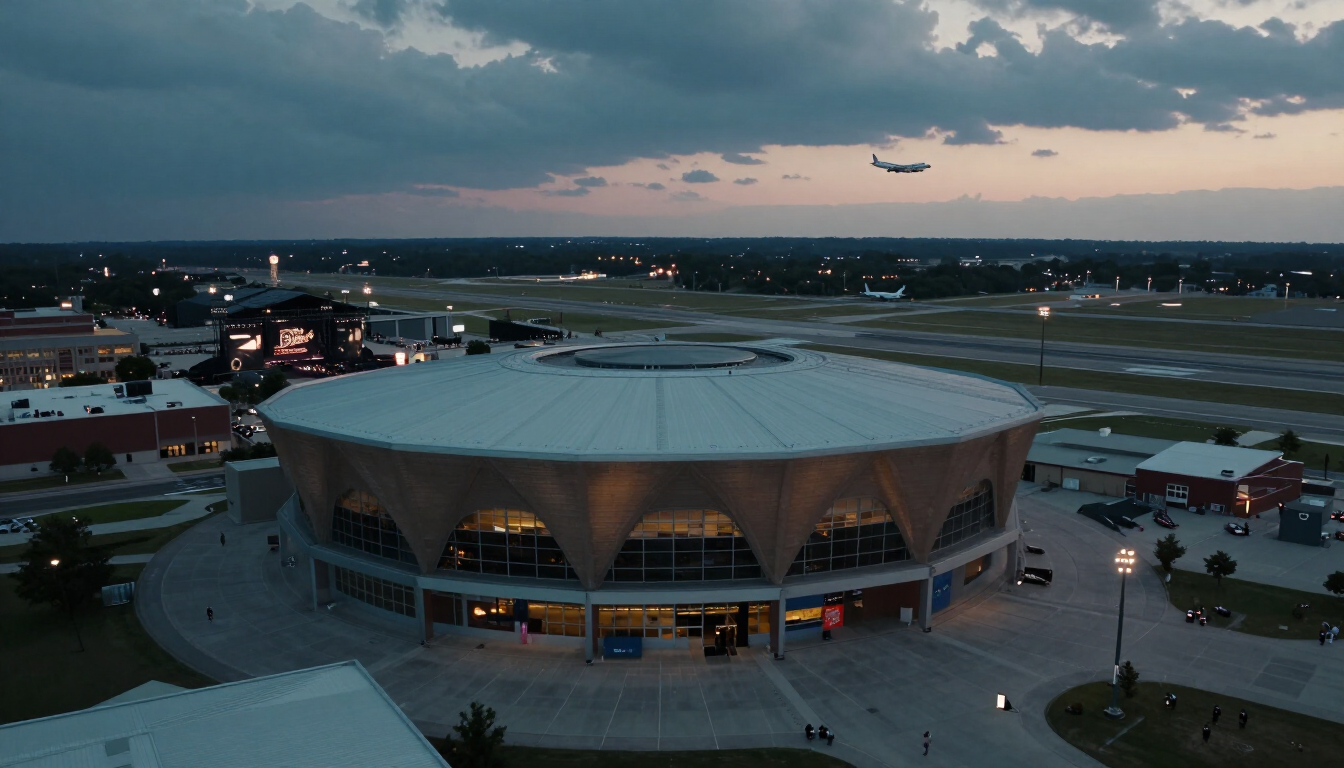
Start here
Key takeaways
- On a multi-city tour, the closest date is often not the best value once you factor in venue quality, sightlines, and ticket markup — a short flight to a better stop can be cheaper and more enjoyable overall.
- Venue type (seated bowl vs. general-admission floor), roof or canopy coverage, curfews, and accessibility all change the actual experience of the same tour.
- Airport access, nonstop availability, and realistic post-show travel time matter as much as the ticket price — a "cheap" stop with a brutal connection can cost more in time and stress.
- Hotel supply clusters differently in every city — near-venue blocks, the central business district, or scattered neighborhood stays — and that pattern drives both price and convenience.
- Use the comparison worksheet near the bottom of this guide to score every candidate stop the same way before you buy a ticket or book a flight.
Reframe the decision
Why the closest stop is not always the best stop
Most fans default to whichever date lands nearest their home city, and for a short regional drive that instinct is usually right. But once a tour puts real distance between stops, the calculus changes. A stadium show forty-five minutes away with a partial-view seat, a two-hour parking exit, and a resale-inflated ticket can cost more in money and aggravation than a well-chosen stop that requires a short flight.
Multi-city tours frequently rotate between very different venue types — an arena in one market, an open-air amphitheater in another, a stadium with a retractable roof in a third. The artist and setlist may be identical, but the sightlines, acoustics, weather exposure, and even the merchandise lines will not be. Treat each date on the tour as a genuinely separate travel decision rather than a single fixed target you simply need to reach.
That means building a short list of two or three realistic candidate stops before you buy anything. Compare them side by side on the factors that actually shape the night: the venue itself, how hard it is to get there, where you would sleep, and what else the host city offers if you turn the trip into a full weekend rather than a single-night dash. Read our how to choose the best city to see a tour guide for a deeper walkthrough of this comparison process, including how to weigh artist-specific factors like production scale and setlist consistency across a tour leg.
This reframing pays off most on arena and stadium tours, where ticket inventory and pricing swing sharply by market, and where a fan willing to travel can often land a better seat for less total cost than a resale ticket at the "convenient" hometown date. It pays off least on small-club tours, where the room is intimate everywhere and travel adds cost without changing the experience much. Know which category your artist falls into before you start comparing cities.
The room itself
Venue and sightline considerations
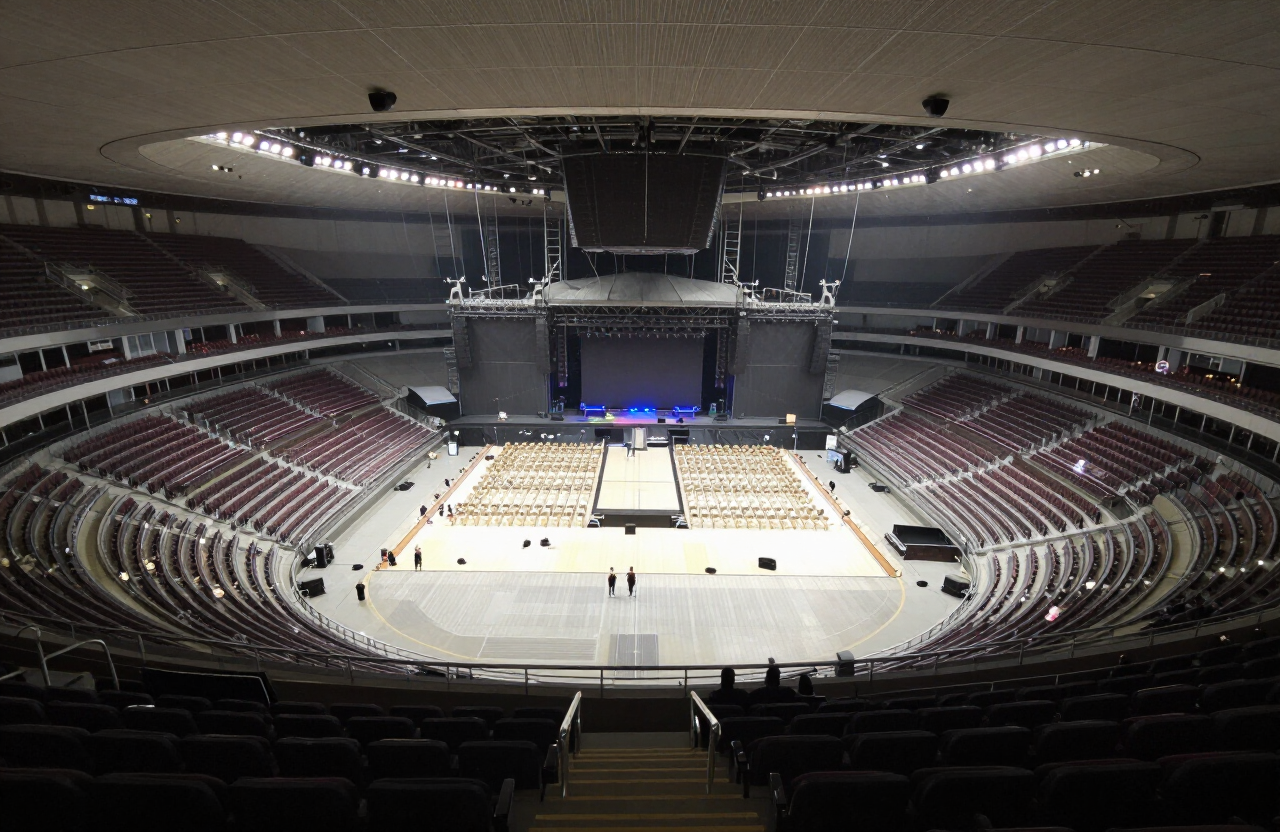
Every venue on a tour has its own seating map, and the same "Section 112" label can mean a great angle in one building and a pillar-obstructed view in another. Pull the venue's official interactive seating chart before you buy, and cross-check it against fan photos or seat-view sites when the chart alone does not make the sightline clear.
Factors worth comparing across candidate venues:
- Seating maps. Look for stage orientation, obstructed-view sections, and how far the upper deck sits from the stage — that distance varies far more between buildings than most fans expect.
- Floor vs. bowl tradeoffs. General-admission floor puts you close to the stage but usually means standing for hours with no assigned spot; a seated bowl ticket costs less energy and guarantees a spot, at the cost of distance.
- Roof and canopy coverage. Fully covered arenas remove weather risk entirely. Amphitheaters and sheds often cover only the seated sections, leaving lawn or upper rows exposed to sun, wind, or rain — check the specific venue diagram, not just the tour's marketing photos.
- Curfews. City noise ordinances and venue contracts set hard end times, especially for outdoor amphitheaters near residential neighborhoods. A tight curfew can mean a shortened encore or an abrupt house-lights cutoff regardless of how the show is going.
- Accessibility. Confirm ADA seating locations, companion-seat policies, elevator access at older theaters, and drop-off points directly on the venue's accessibility page — these details differ building to building even within the same tour.
None of these factors show up on the ticket-purchase page itself, so budget ten minutes per candidate venue to check its official seating chart, accessibility page, and any posted curfew or bag policy before you commit to a stop.
Getting there
Flight and airport access with real time traffic data
Airport access can make or break an otherwise appealing tour stop. A metro area with multiple airports often hides meaningfully different travel times depending on which one you fly into, and that gap only shows up when you check real-time traffic conditions rather than a flat drive-time estimate.
Compare candidate stops on:
- Nonstop vs. one-stop. A nonstop flight to a slightly farther city can beat a connecting itinerary to the "closer" one, especially for a weekend trip where a missed connection eats into your only full day.
- Departure times. An early-morning nonstop gets you into the host city with a full day to explore; a red-eye or late-afternoon arrival compresses everything into the evening of the show itself.
- Morning-after options. Check whether a reasonable flight home exists the morning after the show, or whether you are forced into an extra night — that extra night changes the total cost of the trip.
- Multi-airport markets. In Los Angeles, compare LAX against Burbank (BUR) and Ontario (ONT) — the smaller fields are often faster to clear and closer to venues outside downtown. In New York, JFK, LaGuardia (LGA), and Newark (EWR) each carry different traffic patterns depending on the day and time. In Chicago, Midway (MDW) frequently beats O'Hare (ORD) for door-to-door time to South and West Side venues, even when the flight itself costs slightly more.
Once you land, check real-time traffic and transit conditions for the actual show-night window, not a generic midday estimate — stadium and arena traffic during ingress and egress bears no resemblance to normal weekday patterns. A mapping app's live traffic layer, checked the day of travel, will tell you far more than an average drive-time figure fixed months in advance.
Where to sleep
Hotel supply and neighborhood fit

Hotel supply is not distributed evenly around a venue, and the pattern it follows tells you a lot about price and convenience before you even open a booking site. Three common patterns show up across tour-stop cities:
- Near-venue clusters. Some arenas and stadiums sit inside a purpose-built entertainment district with hotels built specifically to serve event traffic — convenient, but priced accordingly on show nights.
- Central business district (CBD) hotels. Many stops route fans through downtown hotel inventory a short rideshare or transit ride from the venue, usually at a gentler price than the immediate venue footprint.
- Scattered neighborhood stays. In cities without a dense hotel core, fans end up spread across residential or suburban neighborhoods well outside the venue's walking radius, which raises the importance of confirming transportation in advance.
Pricing swings can be dramatic around a single high-demand date. Hotel rates in Busan surged to roughly seven times their normal rate around BTS-related events, an extreme but real illustration of how a single major show can reshape a city's entire lodging market for a weekend. Las Vegas offers a steadier but still telling example: average daily hotel rates have run around $267 with occupancy near 94.6% during peak event periods, meaning rooms both cost more and sell out earlier than travelers expect.
VewTopia may earn a commission if you book through links on this page, at no extra cost to you.
Because of these swings, check hotel rates for every candidate stop as early as possible, and prefer refundable rates while your shortlist is still open. A stop that looks affordable eight weeks out can flip into the most expensive option on your list once local hotel inventory tightens around the show date.
Beyond the show
Weekend activities beyond the main event
A tour stop earns its place on your shortlist twice over when the host city gives you a reason to stay through the weekend rather than fly in for a single night and fly home the next morning. Before you pick a stop purely on ticket price or flight cost, consider what else the city offers — food scenes, museums, neighborhoods worth walking, or a second smaller show the same weekend.
A stop with a slightly more expensive ticket or flight can still be the better overall choice if it turns into a genuinely enjoyable two- or three-day trip instead of a rushed overnight. Weigh the destination itself as part of the decision, not as an afterthought you evaluate only after the ticket is already purchased.
Explore potential concert cities on the Explore potential concert cities page, where each destination guide breaks down neighborhoods, food and nightlife, weather, and how the city feels beyond the venue itself. Reading a full destination guide before you commit to a stop often surfaces a city you would not have considered purely from the tour's routing sheet, and it gives you a realistic sense of pacing for a multi-day visit built around one big show.
Pricing reality
Ticket availability and resale cautions
Ticket pricing varies meaningfully by market even for the identical tour and setlist. Recent data puts the average U.S. concert ticket at roughly $144, but that national number hides real spread: San Francisco has priced about 29% above that average, while Nashville has run about 27% below it for comparable shows. Checking a handful of candidate cities on the same tour before buying can meaningfully change what you pay for the same experience.
Fees compound that gap further. Primary-market tickets typically carry service and processing fees adding up to roughly 27% on top of the face price, while resale-market purchases run closer to 31% in added fees once seller markup, service charges, and delivery fees are included. Those percentages apply on top of whatever base price difference already exists between markets, so a "cheaper" city on paper can close that gap once fees are added — always compare all-in totals, not sticker prices.
Buy through the tour or venue's official primary ticketing partner whenever possible, and treat any secondary-market purchase as one that needs verification — confirm seller ratings, buyer-guarantee policies, and whether the platform offers verified resale protection before entering payment details. For a full walkthrough of primary versus resale timing, fee structures, and red flags to avoid, read our concert ticket buying guide before you purchase for any candidate stop.
Decide with a system
Comparison worksheet
Score every candidate stop the same way so the decision comes down to numbers, not whichever city happens to come to mind first. Rate each factor from 1 (worst) to 5 (best) for every stop you are seriously considering, then total the columns.
| Factor | Stop A | Stop B | Stop C |
|---|---|---|---|
| Venue quality (sightlines, roof/canopy, curfew) | ___ / 5 | ___ / 5 | ___ / 5 |
| Flight access (nonstop, timing, morning-after option) | ___ / 5 | ___ / 5 | ___ / 5 |
| Hotel cost and distance to venue | ___ / 5 | ___ / 5 | ___ / 5 |
| All-in ticket cost (face price + fees) | ___ / 5 | ___ / 5 | ___ / 5 |
| Weekend appeal beyond the show | ___ / 5 | ___ / 5 | ___ / 5 |
| Total | ___ / 25 | ___ / 25 | ___ / 25 |
The stop with the highest total is the one with the least overall travel friction, not necessarily the cheapest ticket or the shortest flight in isolation. Use the score as a starting point rather than a final verdict — if one factor matters far more to you personally, such as guaranteed nonstop flights, weight it more heavily before you commit.
Once you have a leading stop, confirm venue details on its official seating chart and accessibility page, then cross-check it against the broader venues directory for arena- and stadium-level details — seating types, transportation notes, and accessibility information — before you finalize your ticket and flight purchases.
Questions
FAQ
These questions cover common details not fully addressed in the sections above, focused on travel decisions, cost, arrival timing, and schedule changes.
Is it worth flying somewhere else to see the same tour?
Sometimes, yes. If your local stop is a shed with fixed lawn seating, or the closest date sells out fast at a heavy markup, a short flight to a stop with a better venue, cheaper tickets, or a more interesting host city can leave you with a better night and a lower total cost once resale fees and parking are counted. Weigh the flight and hotel cost against what you would have paid for a bad seat close to home before you decide.
What's the cheapest city to see a major touring artist?
It varies by artist and season, but ticket data consistently shows certain metros running below the national average. Nashville has priced roughly 27% below the average U.S. concert ticket in recent tour cycles, while cities like San Francisco have run about 29% above it. Compare a handful of stops on the same tour using a resale tracker before committing to one city.
How close should my hotel be to the venue for a tour stop trip?
Aim for a 10-to-20-minute trip by foot, transit, or rideshare whenever the host city supports it. Arena and stadium districts often cluster hotel supply within that range, and staying inside it protects you from post-show surge pricing and long walks through unfamiliar streets after an arena or amphitheater empties out.
How early should I arrive at the venue for a touring show?
Plan to be inside your seating section 45 to 60 minutes before doors close on the opener, earlier for stadium shows with security lines, rideshare queues, and long walks from parking or transit. Check the venue's official 'Getting Here' or 'Bag Policy' page in the week before the show, since entry rules and recommended arrival windows change between tours.
What happens if the tour date is postponed or the artist reschedules?
Most tours honor original tickets for the new date automatically, but travel bookings do not move with the show. Book refundable or easily changeable flights and hotel rates whenever a tour stop is your travel anchor, and monitor the artist's and venue's official channels directly rather than relying on secondhand posts for postponement or rescheduling news.
Official sources to verify before publishing
Verify the following data points against their original sources before publishing or updating this page: FinanceBuzz (average U.S. concert ticket price and city-level pricing spread, including San Francisco and Nashville figures); Seoul Economic Daily (Busan hotel-rate surge around BTS-related events); CoStar / STR (Las Vegas average daily rate and occupancy data); Entertaining Safety (venue accessibility and safety guidance); ScienceDirect (research on event-driven hotel demand and pricing); TicketFlipping (resale-market fee structures); Axios (concert ticket market coverage); U.S. Government Accountability Office — GAO (report on ticket fees and the secondary ticket market).
Each venue's official "Getting Here," seating chart, and accessibility pages should be rechecked directly before finalizing any specific tour stop, since policies and pricing change between tour legs.
Last verified: July 17, 2026