
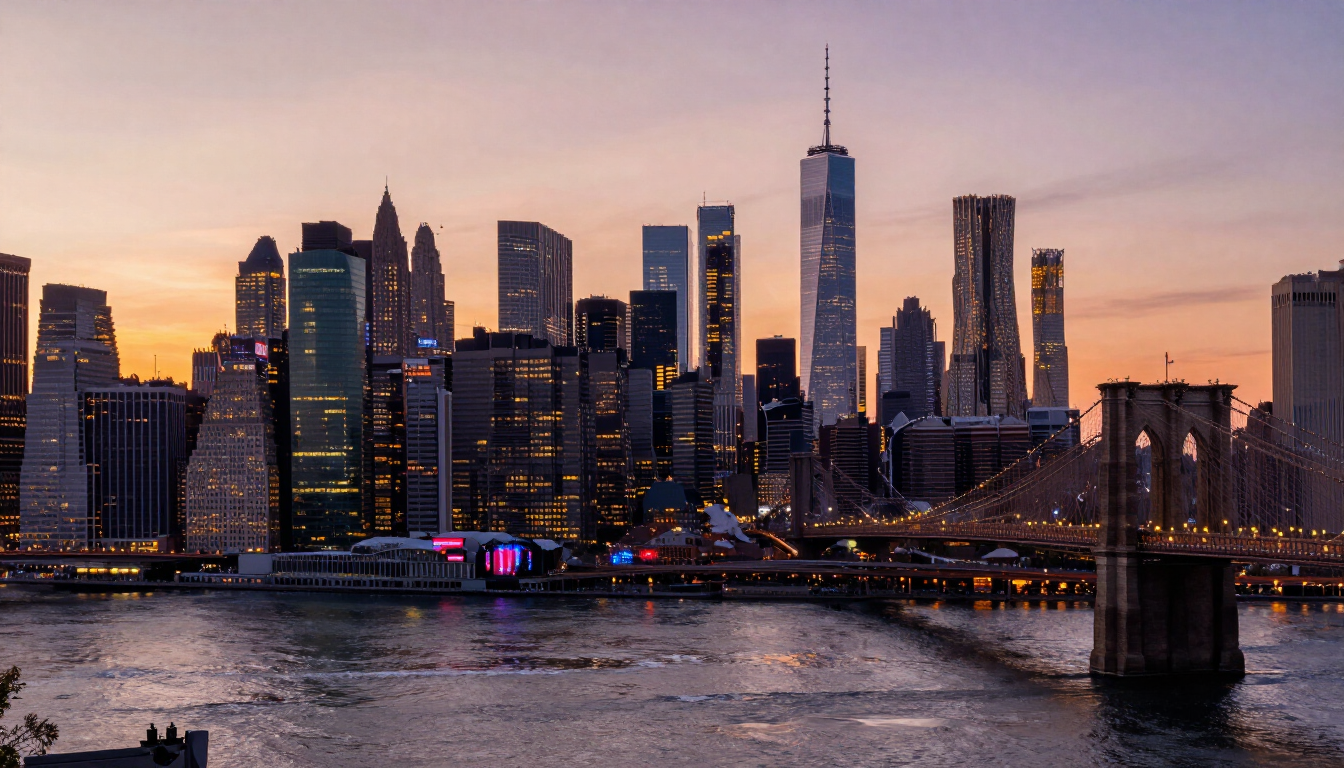
Start here
Key Takeaways
- Day 1 (Arrival): Land or arrive by rail in the afternoon, check into a hotel near your main venue, do a short neighborhood walk or record shop visit, eat an early dinner, and rest ahead of the weekend.
- Day 2 (Show Day): Keep the morning light with daytime music stops, eat 90–120 minutes before doors, arrive at the venue with time for security, and have a post-show food or nightlife plan ready.
- Departure: Build generous buffers for transit to airports or stations, use hotel bag storage if checkout is early, and reflect on what worked for next time.
- The guide works for both single-venue concerts at places like Madison Square Garden and multi-stage festivals, as well as borough venues like Brooklyn Steel, with tips that adapt to each.
- Core decisions covered: where to stay near venues, how to move between neighborhoods, when to eat, and how to avoid transit and security surprises.
- All timing, safety, and transport advice references official New York City sources and should be re-verified close to your travel dates.
Fit check
Who This New York Itinerary Fits
This itinerary is for people flying or training into NYC for a specific concert or festival weekend, not general first-time tourists looking to check off landmarks. Popular music events in NYC range from intimate jazz clubs and established halls to major arena concerts and newer spaces, and this plan accounts for both.
Typical scenarios include:
- A Friday night show at Madison Square Garden followed by a Saturday exploring the city
- A Saturday festival day at Forest Hills Stadium or Citi Field with a Brooklyn hotel base
- A Brooklyn Steel gig paired with a Manhattan hotel stay and a Sunday jazz set
The itinerary assumes 2–3 nights in the city, with at least one major concert or festival day and open time for extra music or culture. The NYC music scene includes performances by independent artists and major acts, and this plan leaves room for both. New York City offers diverse music venues for weekends regardless of your genre or travel style.
This is not ideal for travelers on multi-week visits or people coming in for a one-night arena show and leaving the same night. Families with a new baby or very young children may also find the late-night pacing difficult.
The focus here is on independent, non-sponsored advice that helps you compare options without hype, similar to how a New York Times travel piece would separate facts from opinion. You can pair this itinerary with our broader New York City destination page for ideas beyond music.
Getting in
Arrival and Neighborhood Orientation
NYC has three main airports: JFK, LaGuardia (LGA), and Newark Liberty (EWR). Rail arrivals come through Penn Station, Moynihan Train Hall, or Grand Central Terminal. Your arrival point shapes your hotel options and how quickly you can reach your venue.
Choose your arrival based on venue cluster:
- Midtown: Best for Madison Square Garden, Radio City Music Hall, Times Square shows
- Downtown Manhattan or Brooklyn: Ideal for Barclays Center or Brooklyn Steel
- Queens: Makes sense for Forest Hills Stadium or Citi Field festivals
From JFK, the AirTrain connects to Jamaica Station for the LIRR or to subway lines. Newark has an AirTrain to NJ Transit. LaGuardia lacks a direct rail link — plan for bus or rideshare. Always plan at least 45–90 minutes from landing to your hotel, and check current schedules on official MTA and Port Authority sites.
Neighborhood rundown for music travelers:
- Midtown: Arena access, many hotels, expensive, busy, and close to major business districts
- Lower Manhattan: Clubs, indie shows, historic music sites
- Williamsburg/Greenpoint: Premier Brooklyn for indie and electronic shows
- Bushwick: Edgier, smaller venues, more affordable
- Long Island City/Queens: Closer to open-air venues, cheaper hotel rates
Brooklyn hosts a range of music venues that feature diverse music genres, so staying in the borough is a strong option if your shows are there. For a deeper breakdown, see our guide on the best areas to stay in New York City for concerts.
Beyond the front page attractions, look for lesser-known record shops, recently discovered small venues, and late-night food spots near major concert areas. These hidden finds often define a trip more than the headliner does. Harlem and the West Village round out the neighborhood picture for jazz-minded travelers, and Greenwich Village remains a cornerstone for historical music venues worth a daytime detour.
Before doors
Music-Focused Daytime Options
Your daytime hours should keep music at the center without draining energy before the show. Jazz is a prominent genre in New York's music culture, and the city's daytime offerings reflect that history.
Specific music stops:
- The Drama Book Shop and the Times Square Broadway district for musical theater fans
- The Museum of Modern Art, the Met, or the Museum of the City of New York for exhibitions tied to album art and music photography
- Record stores in the East Village (Academy Records, A-1 Record Shop), Williamsburg (Rough Trade), and Harlem for jazz, soul, and gospel vinyl
Explore iconic music spots like the Apollo Theater in Harlem, where the building alone tells stories worth hearing and where visitors may also notice how performers and guides use idioms to reflect local culture and stage history. Attend live performances at venues like Carnegie Hall if a daytime recital or tour fits your schedule. The Bowery Ballroom and Mercury Lounge are key rock music venues in the Lower East Side worth a walk-by even when dark. Harlem is a cornerstone of music history, particularly known for jazz, and a self-guided walk along 125th and 135th Streets connects several landmark sites.
If your show is tonight: keep it light — one record shop, a relaxed lunch, early rest. If your show is tomorrow: lean into sightseeing with a jazz history loop in Harlem or a punk and indie history stroll through the Lower East Side. More ideas for filling your day live in our city guides hub.
Fuel up
Pre-Show Meal and Venue Arrival
Pre-show choices affect comfort, energy, and how much of an opening act or festival set you actually see. RSVP and ticket purchase are often recommended for popular music venues in NYC, so confirm your entry method before heading out.
Neighborhood-based food ideas:
- Near MSG: Koreatown on West 32nd Street, fast casual along Seventh and Eighth Avenues
- Near Barclays Center: Bars and restaurants along Flatbush and Atlantic Avenues
- Near Brooklyn Steel: Cafes and small restaurants in East Williamsburg with open-fire spots and a lively pre-show feel
Eat 90–120 minutes before doors if you want to catch openers, but always verify door times and set times on the venue's official site or ticketing app. Times can shift from what was printed on the front page of your ticket confirmation.
What to carry:
- Clear bags at arenas — MSG enforces a clear bag policy with a max of 14″×14″×6″
- Barclays Center is stricter: 10″×6″×2″ max, no backpacks of any kind
- ID, portable phone charger, ear plugs, and a light layer for indoor AC or outdoor evening chill
Event-specific policies can change tour by tour. Some artists have brought their own clear-bag-only requirements even at venues that normally allow small purses. Verify per event before you purchase a bag you cannot use. Pack a checklist from our festival gear page so nothing is left behind on show day.
After the encore
Post-Show Options
After the concert or festival day ends, you face a choice: head straight back to your room, grab food, or extend the night with more music. Live music can be experienced in bars and restaurants across NYC well past midnight, and the ride back is also a good time to decompress with a podcast.
Post-show strategies by area:
- Midtown: Late-night pizza slices, 24-hour diners, pubs within walking distance of MSG
- Greenwich Village: Known for its historical music venues — jazz bars and cocktail lounges stay open late
- Williamsburg/Bushwick: Rooftop bars, DJ sets, laid-back spots after Brooklyn gigs
For late-night food, Eater NY's guide lists spots like Katz's Deli (open 24 hours on weekend nights) and all-night Cuban-Dominican spots on the Upper East Side. Free outdoor performances occur in NYC, particularly in warmer months, and you may stumble into a busker or street musician worth stopping for.
Safety and transport: the subway runs 24 hours, but frequency drops significantly after midnight. Only about 22% of NYC residents report feeling safe riding the subway late at night. Stick to well-lit stations, ride in busier cars, and consider a yellow cab or app-based ride if you are far from your hotel.
Check more news and cultural listings around your travel dates in local publications or on the official NYC tourism calendar to find one-off after-parties linked to your main concert. Going straight back to rest is often the smartest move if you have another show or a long travel day coming. For broader planning, revisit our concert travel weekend trips guide before locking in your evening.
Bonus day
Second-Day Live Music or Culture
Many weekend music travelers build in a bonus day around a Saturday or Sunday show. This is your space for a second live event or a deeper cultural stop.
Concrete options:
- A Sunday evening jazz set at a Harlem or West Village club like Minton's or Ginny's Supper Club
- SOB's is known for its Latin and world music offerings if you want something different from your main genre
- A matinee Broadway or Off-Broadway musical
- A smaller indie show in Brooklyn that contrasts with a big arena night — Brooklyn Bowl combines live music with bowling for a unique experience
Pair a second live event with a daytime cultural anchor: the 9/11 Memorial & Museum, a Hudson Yards and High Line walk with buskers, or gallery time in Chelsea. These add walking, so balance with rest, especially midday.
The tradeoff is real: the more you schedule, the more you risk going into your main concert exhausted. Pick one headliner event per day and let the rest stay flexible. Some readers may want to explore neighborhoods they recently discovered on social media or in the news — up-and-coming corners of Queens or Brooklyn known for small venues and fresh food scenes. For broader second-day ideas beyond music, visit our New York City destination page.
Heading out
Departure Planning
Departure is its own decision point. An early flight out of JFK, a mid-day train from Penn Station, or a late bus all affect how late you can stay out after your last show.
Choose your return airport or station based on where you are staying on your final night. Avoid long, unfamiliar cross-city transfers with tight cutoffs — losing your way at 5 AM in a part of the city you have never visited is not the way to end a great weekend.
Packing and checkout tips:
- Separate worn gear from fresh clothing
- Check the room for charging cables, ear plugs, and any product you bought at merch tables
- Ask about bag storage if your hotel checkout does not line up with your departure time
Build a generous buffer for security lines and possible delays. On Monday mornings, weekend subway maintenance may still be wrapping up. Aim for arriving at the airport 2.5–3 hours before your flight.
Take a moment to jot down what went well and what you would change for the next New York City music weekend. The sections ahead dive into step-by-step timelines for each phase of the trip.
Hour by hour
Arrival Plan
VewTopia may earn a commission if you book through links on this page, at no extra cost to you.
This section gives you a more detailed, almost hour-by-hour framework for getting into the city on Day 1.
Typical Friday arrival pattern:
- Land in the afternoon at JFK or Newark
- Use AirTrain plus subway or a car service to reach your hotel
- Check in, drop bags, do a short neighborhood walk to get oriented
- Casual dinner at a nearby spot — nothing fancy, just fuel
- Early bedtime to handle the late nights ahead
If you arrive by Amtrak into Penn Station, you are steps from Midtown hotels suited to concert-goers. Grand Central arrivals put you near the East Side with simple walking routes to dozens of hotels. Booking a hotel close to your main venue before your trip — and comparing refundable rates — is one of the simplest ways to protect the rest of this itinerary from late-night transit stress.
Confirm transit options on official MTA and Port Authority of New York and New Jersey sites ahead of your trip. If no show is scheduled that first night, use the time to scout your venue's neighborhood in person, find the entrance, and locate a nearby pharmacy or convenience store.
Fans who love following travel coverage can scan current reporting from outlets like the Guardian or city-focused blogs, but do not over-rely on any one site — things in this city change week to week and sometimes day to day.
The main event
Concert or Festival Day
This is the main event. Structure your show day from wake-up to doors opening to minimize stress.
Morning routine:
- Relaxed breakfast, hydration, comfortable dress and shoes you can stand in for hours
- Double-check tickets, IDs, and payment methods (mobile wallet, app, physical card)
- Scan the venue's social feeds for any last-minute timing changes
For single-venue concerts: keep the day light. Sightsee in the morning, nap in the afternoon, meet friends before heading to the venue.
For all-day festivals: pace yourself. Bring sun protection, ear protection, and know where first-aid and exit routes are. Our festival gear page has a detailed packing list.
Avoid squeezing in long attractions that require crossing town right before set times. People often underestimate how much a midday museum visit across Manhattan can eat into their energy and schedule, and parents traveling with family may need to pace the day even more carefully.
For general admission shows, locals tend to arrive early. The tradeoff between rail spots near the stage and comfort is real — decide what matters more to you at the beginning of the day, not in the moment. Assume security will take longer than expected, especially at venues with 20,000+ capacity like MSG.
Capture key memories, but stay present. Some festivals and venues have evolving camera policies that must be confirmed on official event pages.
Final stretch
Pre-Show and Venue Arrival
This section zooms in on the critical 2–3 hours before showtime, when you juggle food, transit, queues, and meetups.
Routing tips:
- For MSG, take the 1/2/3 or A/C/E to 34th Street–Penn Station
- For Barclays Center, take the 2/3/4/5/B/D/N/Q/R to Atlantic Ave–Barclays Ctr
- For smaller clubs in the Lower East Side or Williamsburg, use the L, J/M/Z, or G lines depending on your starting point
Handle will-call vs. mobile tickets before you leave your hotel. If your phone battery is low, screenshot your ticket or bring a portable charger. On big festival entry days, internet connections near the gates can be slow.
Meet your group at a nearby corner, cafe, or park — not directly in front of the entrance, where the security shuffle makes it easy to lose people, especially if someone in your party gets held up in the line.
Weather matters for outdoor spaces like Forest Hills Stadium or Central Park SummerStage. Check official venue social feeds for last-minute timing changes and bring rain gear if the forecast calls for it. Bag, camera, and water policies vary by venue and sometimes by event. Treat published policies as a sign of what to expect, but always verify specifics on official pages — these rules change more often than headline news.
After the show
Post-Show Plan
The 60–90 minutes after the show ends require a plan. Crowds will surge toward the nearest subway stations and cab stands, so have a backup station or walking route in mind.
Late-night food strategies:
- Look one or two avenues away from the main venue strip to avoid long waits
- Well-reviewed diners and bodegas that stay open late are often a better fit than trendy restaurants with hour-long lines
- NYC food safety data shows over 90% of restaurants carry A grades, so most options are a safe purchase for your stomach
Check in with your group about energy levels. If anyone feels overwhelmed or unwell after a festival or loud set, get water, find a quieter spot, and ask staff or security for help if needed. A doctor's visit is unlikely, but ear protection during the show prevents the ringing that follows you home.
A short cool-down walk around Midtown or along the Brooklyn waterfront, with planters of roses catching the light, can help you decompress. Stay in populated, lit areas and avoid isolated detours — this is not the time for exploring unfamiliar back streets.
Capture a brief end-of-day note in your phone: standout sets, venues you loved, phrases from songs that stuck with you. These notes make planning future New York City music weekends easier than relying on fading memories.
Wind down
Recovery and Departure
Loud shows, late nights, and city walking add up. A smart recovery plan makes the trip feel like a break instead of a test of endurance.
Recovery tactics:
- Hydration and a slower breakfast
- Ear rest from headphones — give your hearing space to recover
- Light movement: a park walk along Hudson River Park, Central Park, or Brooklyn Bridge Park
Use late checkout or hotel luggage storage so you can fit in one last meal or stroll without dragging bags through subway stations. Many hotels offer this; just ask at the front desk.
Navigate back to airports and stations calmly. Aim for earlier trains or shared rides and build in a buffer for typical NYC weekend or Monday delays. Keep airline, rail, and transit apps handy until you have fully cleared security and boarding, since those technologies are often the fastest way to catch gate or track changes.
Unsubscribe from unnecessary newsletters and notifications after your trip, but hold onto venue and artist email lists that brought you useful updates during the weekend — they will serve you well next year.
Modular swaps
Recently Discovered Optional Alternatives
These modular swaps plug into the same weekend skeleton based on genre, budget, or borough preference.
VewTopia may earn a commission if you book through links on this page, at no extra cost to you.
Budget-conscious version:
- More subway use, free daytime sights, cheaper pre-show food
- Smaller cover-charge venues instead of premium clubs
- Street food and bodega meals over sit-down restaurants
Luxury version:
- Upgraded hotels close to key venues with room service recovery
- Seated shows and pre-show dinners at well-known restaurants
- Car services instead of late-night subway rides
Themed weekends:
- Jazz-focused: Harlem and Village clubs, with stops at the Apollo Theater and Showman's Jazz Club
- Broadway and musical theater: Matinee and evening shows paired with the Drama Book Shop
- Indie and electronic Brooklyn: Elsewhere, Baby's All Right, Brooklyn Bowl, and late-night DJ sets in Bushwick
Some travelers have won over their skeptical travel partners by framing the trip around culture and food with music woven in, rather than leading with a three-night concert marathon. It is a belief worth testing if you travel with loved ones who are not diehard fans. You can combine this New York City music weekend template with other city plans using our concert travel weekend trips guide.
Answered
FAQ and More News
This FAQ covers specific questions that come up for New York City music weekend travelers but were not fully answered above. Answers are concise and reference official sources where policies may change.
What is the best night to arrive in New York City for a weekend concert?
Arrive at least one night before your main show. For a Friday concert, come in Thursday; for a Saturday show, arrive Friday. This gives you a buffer for flight delays and time to adjust. Same-day arrivals can work for evening arena shows but leave little room for unexpected issues, especially during busy summer or holiday weekends in July or August. If you are coming from across the country or changing time zones, an extra night turns a rushed trip into a fuller New York City music weekend.
Is it safe to use the subway after late-night concerts?
Many locals use the subway late, but comfort levels vary. Stay in well-lit areas of stations, ride in busier cars, and avoid empty platforms. Current data from a 2024 NYC Resident Feedback Survey shows only about 22% of residents report feeling safe on the subway at night. Licensed yellow cabs and app-based rides are solid alternatives, especially if you are in a smaller group or carrying valuable gear. Check current safety guidance from official MTA sources, as conditions evolve year to year.
How close should I stay to my New York City concert venue?
Staying within a short walk or one simple subway ride of your main venue gives the best balance of convenience and price. This matters most if you expect late finishes. Our guide on the best areas to stay in New York City for concerts breaks down neighborhoods by venue and budget. It can be worth paying slightly more to avoid long, unfamiliar transfers after midnight.
What should I do if my concert or festival is postponed or moved?
Check the official venue, festival, or ticketing platform first. Social feeds and email alerts may lag behind official statements. Common options include holding tickets for a new date, requesting refunds within a set window, or shifting to a different performance. Rules vary widely by promoter and artist. If your show is postponed, consider turning the open night into a different music experience — search other venue calendars and you will often find something worth attending.
Can I fit more than one major show into a single New York City weekend?
Yes. Two shows work well — a Friday arena concert and a Sunday jazz or club set, for example. Three or more big nights can be exhausting, and the living pace of the city already adds physical load. Prioritize one must-see headliner, then add a second event only if it fits without unrealistic cross-city sprints or extremely short sleep windows. Think about how your departure time intersects with your show schedule, especially if you have an early Monday flight.
Check more concert travel weekend trips guide resources and additional Vewtopia resources before you lock in your travel dates.
Official sources
This is independent trip-planning guidance, not an official transit or venue resource. All timing, safety, and transport advice should be re-verified close to your travel dates.
- MTA (NYC Subway, buses, LIRR, Metro-North) — official maps and service changes: mta.info
- NJ Transit — commuter rail and bus schedules for New Jersey arrivals: njtransit.com
- Port Authority of New York and New Jersey — JFK, LaGuardia, and Newark Liberty information: panynj.gov
- NYC & Company / NYC Tourism + Conventions — official visitor guidance and cultural calendar: nyctourism.com
- Official venue websites — Madison Square Garden, Radio City Music Hall, Beacon Theatre, Terminal 5, Lincoln Center, Bowery Ballroom, Webster Hall, Irving Plaza, Blue Note, Village Vanguard, Le Poisson Rouge, Barclays Center, Brooklyn Steel, Kings Theatre, Music Hall of Williamsburg, Brooklyn Mirage, Forest Hills Stadium, UBS Arena, Citi Field, MetLife Stadium
Affiliate disclosure
VewTopia may earn a commission if you book through links on this page, at no extra cost to you.
Last verified: July 2026