
Start here
Key Takeaways
- Most visitors to Music City will combine walking in downtown Nashville with rideshare or taxis. A car is rarely worth the hassle for a single concert night in the downtown core.
- Nashville concert transportation covers venues like Ryman Auditorium and Nissan Stadium, plus outlying spots like FirstBank Amphitheater and festival grounds near Bonnaroo. Each venue has different parking, drop-off, and traffic patterns.
- This guide gives you specific advice on airport arrival, downtown walking routes, rideshare pickup points, parking decisions, late-night returns, accessible travel, and group outing logistics for every major concert venue in the city.
- Planning is essential for attending concerts in Nashville due to heavy traffic on event nights. Build in buffer time, pick your transport mode early, and have a clear plan for after the show.
This guide is independent trip-planning research, not an official transit or venue resource. Event schedules, road closures, and rideshare rules change often, so verify details against official sources close to your travel dates.
At a glance
Planning Snapshot
- Event zones: Downtown/SoBro around Bridgestone Arena, Ryman Auditorium, and Ascend Amphitheater; South Nashville near Nissan Stadium; Opryland/Music Valley near the Grand Ole Opry; and outlying venues like FirstBank Amphitheater and Bonnaroo's festival grounds.
- Transportation modes: Walking anchors most downtown nights, rideshare and taxis cover the gaps, WeGo public transit handles the airport-to-hotel leg on a budget, and private vehicle service or rental cars fit outer venues and regional day trips.
- Timing considerations: Concert venues often experience heavy traffic before and after events, so your arrival window and post-event exit plan matter more than theoretical drive times. Expect Nashville traffic to spike on weekends and during high-demand events.
Reference
Quick Facts
- Airport: Nashville International Airport (BNA), roughly 8-10 miles from the downtown core.
- Venues: Bridgestone Arena (20,000 capacity), Nissan Stadium, Ascend Amphitheater, Ryman Auditorium, the Grand Ole Opry, and FirstBank Amphitheater.
- Transit options: Walking, rideshare (Uber/Lyft), taxis, hotel shuttles, WeGo buses and commuter rail, and rental cars.
- Parking: Downtown garages typically run $20-$40+ on concert nights; Nissan Stadium and FirstBank Amphitheater require pre-purchased passes.
- Timing: Most downtown venues sit within a 5-20 minute walk of each other; WeGo's Route 18 connects BNA to downtown in roughly 20-35 minutes.
Overview
Trip-Planning Overview
Nashville runs on live music year-round. Beyond the honky-tonks on lower Broadway, the city hosts headline tours at Bridgestone Arena, outdoor sets at Ascend Amphitheater, historic performances at Ryman Auditorium, stadium-scale events at Nissan Stadium, and weekly traditions at the Grand Ole Opry. Festivals like CMA Fest (early June), Pilgrimage, and the four-day Bonnaroo in nearby Manchester stack the calendar even tighter.
Your trip scenario shapes your transport strategy. A single arena show downtown is a different puzzle than a multi-night Nashville music weekend or a day trip to FirstBank Amphitheater 30 miles south. Many venues in Nashville require consideration of transportation options well before you leave your hotel.
The main choices are straightforward: walking works for downtown venues, rideshare and taxis cover most gaps, public transit handles the airport-to-hotel leg on a budget, and private vehicle service is the premium concert transportation choice for travelers who want a more reliable, stress-free option for outer venues or more complex itineraries, while rental cars fit regional day trips. Concert venues often experience heavy traffic before and after events, so your arrival window and post-event exit plan matter more than theoretical drive times.
For deeper hotel-area comparisons and neighborhood breakdowns, explore the Nashville destination hub and the hotels and transportation guide. All airport, transit, and venue logistics referenced here should be verified against official sources before your trip, since event schedules, road closures, and rideshare rules change often.
Landing
Airport Arrival: Getting from BNA to Your Concert Base
VewTopia may earn a commission if you book through links on this page, at no extra cost to you.
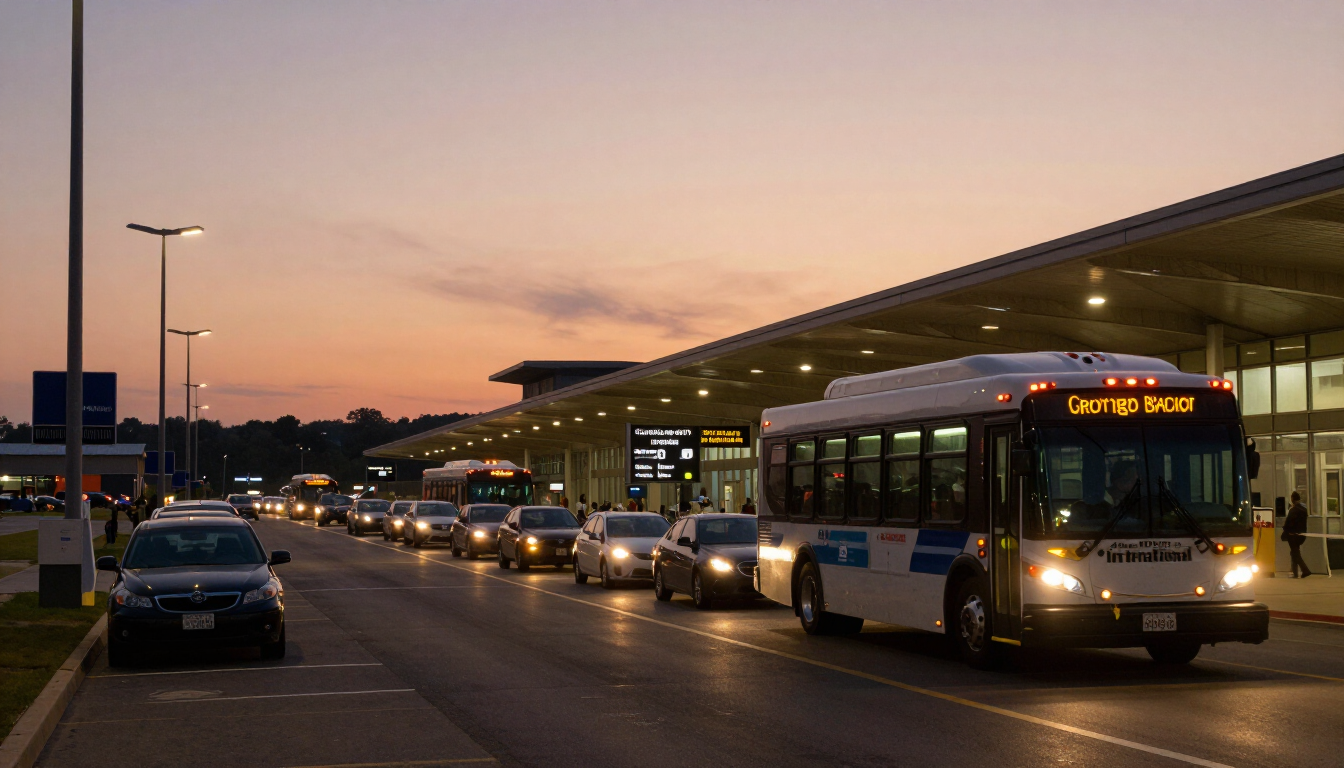
Most visitors fly into Nashville International Airport (BNA) and head straight to a downtown, Midtown, Gulch, or Opryland hotel as a base for concert nights. BNA sits roughly 8-10 miles from the downtown core, with one main terminal and a centralized Ground Transportation Center for rideshare, taxis, shuttles, and rental cars.
Choosing your mode from BNA: rideshare pickup is in designated zones inside the Ground Transportation Center, with variable pricing and surge pricing hitting during major event weekends — rideshare drop-offs at BNA now occur at Zone D, since curbside drop-off has ended (last verified June 2025). Taxis run a flat fare of roughly $30 to downtown, plus $2 per additional passenger, and are immune to surge pricing, often the smarter call during high-demand events (last verified via Visit Music City). Hotel shuttles and shared vans are offered complimentary or paid by some hotels, with shared van services running approximately $18-$30 per person. Rental cars are practical only if you plan to drive to outer venues or regional attractions; for a single downtown concert, the cost of parking and traffic usually outweighs the convenience.
Factor in your arrival time, luggage load, and group size. Late-night arrivals before a next-day concert benefit from simple door-to-door options. Same-day arrivals for events like CMA Fest or major stadium tours should allow extra buffer for baggage claim and Nashville traffic between BNA and downtown.
On foot
Downtown Walking: When Your Feet Beat Any Vehicle
Walking is often the most convenient option if staying in downtown Nashville. The walkability triangle connecting Bridgestone Arena on Broadway, Ryman Auditorium (the mother church of country music) off 5th Avenue, and Ascend Amphitheater along the Cumberland River puts most shows within a 5-20 minute walk from SoBro, Broadway, and Gulch hotels.
On a concert night, walking is usually faster than driving or hailing a ride for short hops between downtown venues, dinner reservations, and bars. Roads get clogged, rideshare pickup zones back up, and parking garages turn into exit traps.
Practical tips: wear comfortable shoes, since lower Broadway sidewalks are uneven and the walk back toward Gulch hotels involves uphill stretches. Build in extra crossing time at busy intersections on weekend nights. After midnight, stick to well-lit, busy streets, walk in groups when possible, and follow current city safety advisories.
If you're staying farther out — near the airport, in West End, or at Opryland resorts — plan to rideshare into the downtown core and then walk between venues once you arrive.
Behind the wheel
Driving and Parking: When You Should (and Shouldn't) Bring a Car
VewTopia may earn a commission if you book through links on this page, at no extra cost to you.
Visitors often overestimate the benefit of having a car downtown. Parking near major venues can be limited and expensive during events, with garages charging $20-$40+ on concert nights, and post-show traffic can significantly delay departures from lots and garages.
A car makes sense when you're staying outside downtown or visiting multiple suburbs, attending outlying shows at FirstBank Amphitheater, The Caverns, or making a Bonnaroo side trip, or traveling with family or large groups needing flexibility across multiple stops.
Parking dynamics around key venues: Bridgestone Arena has several garages nearby, including the Fifth + Broadway Garage and 222 2nd Ave S, though the 6th Avenue garage is often reserved for permit holders, so advance purchase of parking is recommended for popular concert events. Ascend Amphitheater has no dedicated venue lot, so use public downtown garages and arrive early. Nissan Stadium on-site parking requires pre-purchased passes that sell out weeks ahead.
Using Park & Ride locations can help avoid downtown traffic and parking stress. Park once on a concert night and stay put — walk or take short rideshares between pre-show dinner, the concert venue, and nightlife rather than moving your car. Some hotels roll parking fees into nightly rates, so compare hotel locations and parking policies via the hotels and transportation guide before committing.
Get there
Stadium and Arena Event Logistics: Bridgestone, Nissan & More
Large concerts at Nissan Stadium and Bridgestone Arena reshape normal traffic patterns across downtown Nashville. Plan around venue traffic patterns and entry challenges, and leave time for traffic and security entry before events.
Bridgestone Arena (501 Broadway) has a capacity of 20,000 attendees and is walkable from most downtown hotels. Rideshare and taxi zones sit on cross streets, so avoid the front entrance at peak times and use side streets for drop-off and pickup. Patrons can park free at Nissan Stadium Lot R (when no conflicting event) with shuttle service running every 15-20 minutes (last verified 2025). The arena is a cashless facility, and bags larger than 12"x12"x6" are prohibited. See the Bridgestone Arena guide for venue-specific details and seating guidance.
Nissan Stadium (1 Titans Way) hosts large concerts and CMA Fest, and on-site lots require advance passes. There are 114 ADA-accessible parking spaces available (ADA placard plus event pass required). Pedestrian access is via the John Seigenthaler, Woodland Street, and Korean Veterans Blvd bridges, and walking across from downtown garages is often faster than driving out of stadium lots. Using dedicated shuttle services is advisable for large stadium concerts here.
Ascend Amphitheater is an open-air venue on the Cumberland River with no dedicated parking lot, so use nearby public garages and plan for post-show rideshare congestion in SoBro; walk a few blocks before requesting a ride. Ryman Auditorium is known as the Mother Church of Country Music and sits in the heart of downtown. The Grand Ole Opry is located about 10 miles northeast in the Opryland area, so plan a rideshare or drive. FirstBank Amphitheater requires driving or pre-arranged group transportation. Venue policies on bags, rideshare zones, and road closures can change by tour or festival, so always check official sites before arrival.
Timing
Late-Night Transportation: After the Encore and Broadway Last Call
Nashville's concert nights often roll directly into bar-hopping, with visitors leaving downtown well after midnight on Fridays and Saturdays. Options narrow as the night progresses: public transit frequency drops sharply, while rideshare, taxis, and planned private transportation remain realistic.
For downtown hotel guests, walking back from Bridgestone Arena, Ryman, or Broadway bars is often simplest. Plan your route in advance and favor well-lit, busy streets.
Late-night rideshare and taxi tips: order rides from calmer side streets away from main exits, confirm the license plate and driver details in the app, and avoid unofficial solicitations. Post-show traffic and surge pricing ease within 15-20 minutes of the initial rush.
Group travelers should agree on a departure time and one pickup location before the show or bar crawl, since scattered late-night pickups cost more and take longer. A professional chauffeur or pre-booked vehicle removes guesswork entirely for special occasions, especially when the chauffeur handles late-night routing or multiple stops during the evening. If your group has been drinking, designate a sober navigator and lean on professional drivers, taxis, or group shuttles rather than "one drink is fine" decisions.
Beyond rideshare
Public Transportation: Where It Helps and Where It Doesn't
Nashville's public transit system is limited compared to bigger cities, but it covers specific gaps well. The city's public transit system includes buses and commuter rail options operated by WeGo.
The WeGo bus system operates throughout Nashville and serves major concert venues. Route 18 connects BNA to WeGo Central downtown, with express runs taking roughly 20 minutes and local runs roughly 30-35 minutes. Fare is $2 one-way ($1 reduced), with day passes around $4. Public transit is budget-friendly and helps avoid downtown parking hassles (last verified via Visit Music City).
Where transit works: daytime movements with light luggage, flexible timing, and simple point-to-point trips like airport-to-hotel. Where it doesn't: late-night returns from concerts or Broadway. Last departures from BNA run around 11:00 PM, and post-midnight service is sparse.
Many visitors use a hybrid strategy: bus or shuttle for the airport leg, then rideshare and walking for actual concert nights. Build in buffer time when using transit on show days, and leave earlier than a private car would require.
Day trips
Driving and Parking for Outer Venues and Day Trips
Some of the best live music venues connected to Nashville sit outside the downtown core, making driving or private event transportation more practical than rideshare.
FirstBank Amphitheater in Thompson's Station is located 30 miles south of Nashville. Main lot parking is included with your ticket, while premium field parking is an optional upgrade. No public transportation serves the venue, and late-night rideshare availability is limited, so a car, carpool, or dedicated group transportation for the round trip is the strongest option. Oversized vehicles are restricted, and ADA drop-off uses a separate entrance.
The Grand Ole Opry area is about 10 miles from downtown. Visitors staying at Opryland resorts should plan transfers both to the Opry and to Broadway or other downtown venues on concert nights.
For day trips and regional festivals, a rental car supports side trips to Franklin, Brentwood, or regional festivals; weigh rental cost, parking, and designated sober driving responsibilities against the simplicity of staying central and using rideshares. Long festival days like Bonnaroo involve separate transport ecosystems, including event shuttles, campground access, and restricted roads, so follow official festival transportation guides rather than assuming normal city traffic patterns. Plan your return route from outer venues before you leave your hotel, know where you will park, how long you're willing to wait in the lot after the show, and whether any passengers need accessible drop-off closer to the gate.
Plan ahead
Accessibility and Group Logistics
Accessibility and group coordination require extra attention in Nashville due to crowds, hills, and sometimes long walks to and from concert venues.
Review each venue's official accessibility page for ADA parking, drop-off points, elevators, and allowed mobility devices, since policies vary between Bridgestone Arena, Nissan Stadium, Ryman, Grand Ole Opry, and Ascend Amphitheater. WeGo provides accessible services for those needing accommodations on public transit routes. Contact venues and transportation providers ahead of time to confirm accessible vehicles, curb cuts, and exact entry locations on show day.
For bachelor/bachelorette parties, corporate outings, or family gatherings, designate one central pickup spot, use a shared group chat for live updates, and assign a single coordinator for transport decisions. Select vehicles based on group size and event type: for bigger concert groups, larger vehicles are usually the better choice than splitting everyone into separate rides. Group concert transportation can accommodate 10 to 56 passengers using charter buses, while SUVs are suitable for smaller VIP groups of 4-6. Sprinter vans accommodate concert parties and corporate groups of 8-14, luxury sprinter vans are ideal for concert group outings, and stretch limousines support special occasions and celebrations. Group transportation options include vehicles for 7 to 56 passengers depending on the provider and vehicle type.
Groups of 6-10+ often do better in one vehicle instead of multiple rideshares, especially after high-demand events when larger vehicles can keep everyone together while drivers are limited. Every group plan should include a clear post-event rendezvous point away from the thickest crowds, plus a fallback meeting location if phone service is overloaded or battery is low. Keep phones charged, carry a backup battery, and download offline maps in case cell networks get congested near packed venues.
Answered
FAQ
Is it worth renting a car just for a downtown Nashville concert night?
For most visitors staying in or near downtown, renting a car for a single concert night is rarely worth it. Parking costs run $20-$40+ near major venues, concert traffic makes exits painfully slow, and you lose the freedom to enjoy drinks without worrying about driving. The math usually favors rideshare or taxis for a one-off show. Rent a car only if you also plan day trips to areas like Franklin, Brentwood, FirstBank Amphitheater, or regional attractions before or after the concert; in that case the rental earns its keep across multiple days.
Where should I stay in Nashville if I want to walk to most concert venues?
Downtown Nashville, SoBro, and parts of The Gulch and Midtown place you within walking distance of Bridgestone Arena, Ryman Auditorium, and Ascend Amphitheater. These neighborhoods keep your entire experience walkable on concert nights without needing a ride for the main event. Compare neighborhoods and hotel-transport tradeoffs for your specific trip at the Nashville destination hub.
How early should I arrive for big shows at Bridgestone Arena or Nissan Stadium?
Arrival time depends on security screening lines, whether you want merch or food beforehand, and your comfort level with cutting it close. Leave time for traffic and security entry before events, since there is no single right number. Build in generous buffer time before posted door or show times, especially on weekends, during marathon music festival weekends, or for major tours that affect downtown roads. Arriving relaxed beats arriving rushed every time.
Can I rely on scooters or golf carts to get around on concert nights?
Electric scooters can work for short daytime trips if you're a confident rider, but they become unreliable in dense nighttime crowds around lower Broadway and concert exits. Availability drops, sidewalks get packed, and navigating unfamiliar streets at night adds risk. Treat scooters, pedicabs, and golf carts as backup options rather than your core plan, especially if you're traveling with a group or unfamiliar with Nashville streets.
What should I do if my rideshare app shows very long waits after a show?
Walk a few blocks away from the main exit to a calmer street. Check both Uber and Lyft, since one often has shorter waits. Consider splitting a ride with friends to absorb the surge pricing hit, or pause for food and water before trying again, since waits and prices typically drop within 15-20 minutes of the initial post-show rush. Keep your phone charged and carry a backup battery, and for more Nashville planning resources, browse the full guides library.
Official sources and update log
This is independent trip-planning guidance, not an official transit or venue resource. Event schedules, road closures, transit fares, airport procedures, and parking details should be re-verified against official sources immediately before your trip.
Official sources
- Nashville International Airport ground transportation: nashville-airport.com
- Visit Music City transportation information: visitmusiccity.com
- Bridgestone Arena directions and parking: bridgestonearena.com
- Ascend Amphitheater directions and parking: ascendamphitheater.com
- Nissan Stadium parking and transportation: nashvillestadium.com
- FirstBank Amphitheater transportation: firstbankamphitheater.com
- WeGo Public Transit: wegotransit.com
- Uber BNA driver information: uber.com
Required internal links
- /destinations/nashville/ — linked in Trip-Planning Overview and FAQ
- /venues/nashville/bridgestone-arena/ — linked in Stadium and Arena Event Logistics section
- /concert-travel/hotels-and-transportation/ — linked in Driving and Parking section
- /festival-gear/ — linked in Rideshare for Festival and Multi-Venue Nights section
- /guides/ — linked in FAQ
Affiliate placement notes
No affiliate links are active yet. Transportation partner affiliate modules (for example, rideshare booking, parking reservation apps like SpotHero, or rental car partners) can be inserted as labeled callout boxes within the Airport Arrival, Driving and Parking, and Driving and Parking for Outer Venues sections once approved partners are confirmed. Disclosure language is placed before any potential commercial link in the Airport Arrival and Driving and Parking sections.
VewTopia may earn a commission if you book through links on this page, at no extra cost to you.
Update log
2026-07: Initial publication covering airport arrival, downtown walking, rideshare and taxi strategy, driving and parking, stadium and arena event logistics, late-night transportation, public transportation, festival and multi-venue rideshare strategy, outer-venue driving and parking, and accessibility and group logistics for Nashville's major concert venues.
Last verified: July 2026