
Start here
Key takeaways
- Compare city and camping electronic music festivals, then click into detailed guides for events like Ultra Miami, EDC Las Vegas, and Electric Forest.
- Get practical travel tips on where to stay, how to get around, what to pack, and how to stay safe through hydration, heat management, and hearing protection.
- Learn how to separate your festival budget from your broader travel budget so you can spend confidently without worry.
- This advice works whether it is your first time at a dance music festival or you are heading to your tenth international trip.
Overview
What defines an electronic festival trip
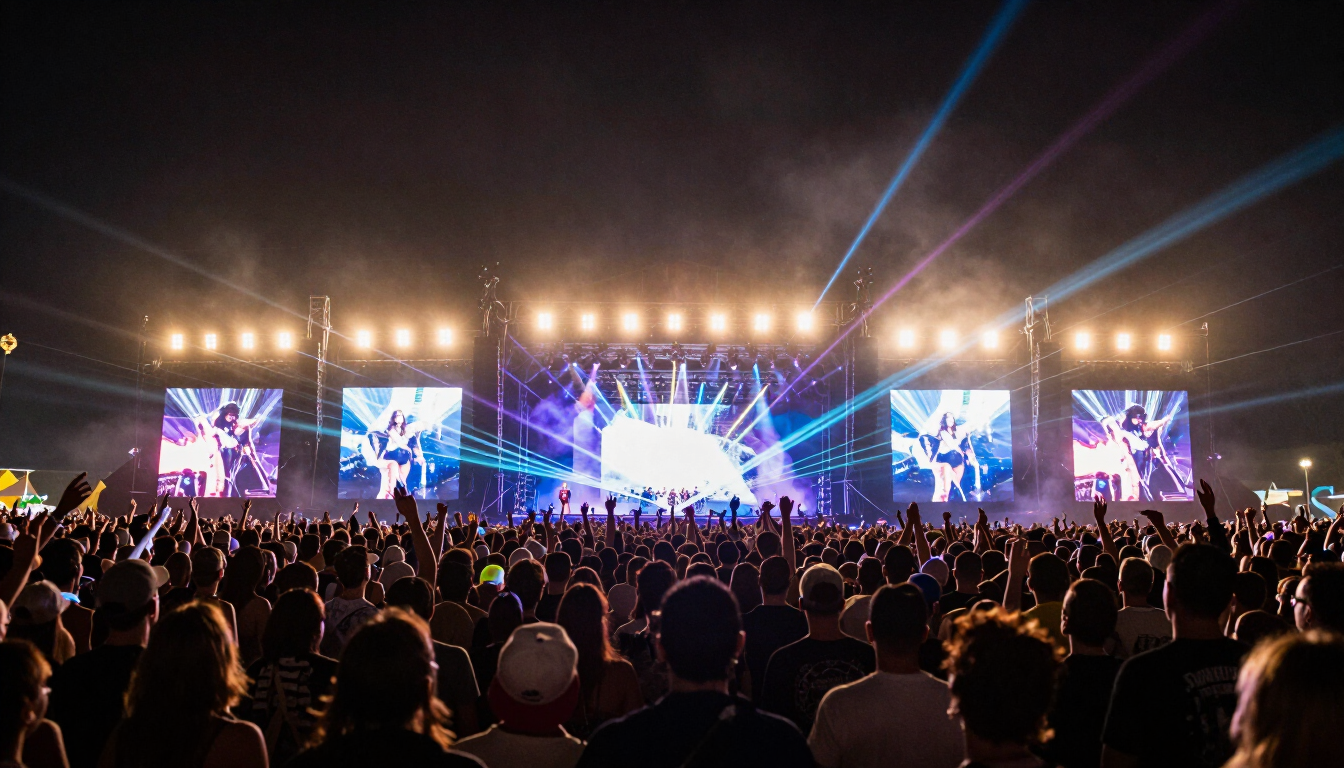
An electronic music festival trip is not a regular weekend concert or a quick city break. These events run across multiple days with late-night hours, bass-heavy sound systems, elaborate stage visuals, and crowds that can exceed 100,000 attendees. The logistics — flights, accommodation, daily transport, recovery — are more complex than for a single night out.
EDM festivals combine sound, visuals, and crowd energy into a journey-shaped adventure where the lineup, the production, and the destination all matter equally. Popular electronic music festivals include Tomorrowland and Coachella alongside dozens of events across Europe, North America, and beyond. Many electronic music festivals sell out months in advance, which makes early planning crucial.
Core elements of every electronic festival trip include:
- Tickets and wristbands — many events use cashless wristbands to control spending and verify entry
- Travel to the host city — selecting airports, layover times, and last-mile transit
- Accommodation options — city hotels, Airbnb rentals, camping, glamping, or RV passes
- Daily transport to the venue — shuttles, rideshare, public transit, or self-driving
- Recovery time — at least one arrival day and one rest day around the festival
- Budget planning — separate your festival budget from your broader travel budget before departure, and expect surge pricing for food and drinks during the event
Common formats range from single-venue city events to mega-grounds festivals to forest camping experiences. A typical trip covers a 3-day festival plus one arrival day and one recovery day — roughly five to six days total.
Festival experience styles shape what you pack and how you plan. A main stage EDM fan follows a different schedule than someone drawn to underground techno or trance. Bass-heavy genre fans may need stronger hearing protection, while those attending ambient stages might prioritize rest space. The sections below help you decide where to go, how to get there, and which Vewtopia guide to open next.
Anchor events
Featured electronic music festivals guides
Each of these anchor festivals illustrates a different electronic music festival trip type. Use the summaries below to orient yourself, then open the full guide for booking details, transport logistics, and packing lists.
Ultra Music Festival — Miami, Florida
Ultra is a flagship city electronic music festival held at Bayfront Park in late March. The oceanfront stage setup, walkable nightlife district, and warm weather make it appealing for fans who want a festival and a destination vacation in one trip.
See it for venue access, hotel zones, and transit advice. Read the full Ultra Miami festival guide.
EDC Las Vegas — Las Vegas, Nevada
EDC Las Vegas takes over the Las Vegas Motor Speedway each May with a dusk-to-dawn schedule across massive stages. The night-only format means DJs perform under desert skies while visuals enhance the festival experience after dark.
Explore shuttle passes, Camp EDC details, and Strip hotel comparisons. Read the full EDC Las Vegas travel guide.
Electric Forest — Rothbury, Michigan
Electric Forest is the go-to camping electronic music festival. Set in a dense forest in early summer, it blends immersive art installations with multi-genre lineups and a strong on-site community.
Check campsite tiers, gear lists, and arrival logistics. Read the full Electric Forest guide.
These three events serve as templates: urban skyline event, desert mega-rave, and wooded camping festival. Dates, lineups, and policies shift each year. Always verify details on official festival sites shortly before booking — treat this as a standing "last verified" practice for every Vewtopia guide.
Compare formats
City vs. camping electronic festivals
The choice between a city festival and a camping festival shapes your entire festival experience — from what you pack to how you sleep to how much fun you extract from each night.
City electronic festivals place you close to transit, hotels, and restaurants. You return to a climate-controlled room each night, which is a significant advantage when the schedule runs past sunrise. Hotels offer climate control and housekeeping after long festival days, and you can mix club nights, sightseeing, and local food into your trip since many festivals are near local attractions worth exploring. The tradeoff: nightly commuting, higher hotel rates, and less immersion.
Camping electronic music festivals put you on-site in tents, RVs, or cabins. The music, art, and conversations never fully stop. Camping at festivals fosters community among attendees, and connecting with fellow festival-goers enhances the experience in ways a hotel lobby cannot replicate. The tradeoff: weather exposure, shared facilities, difficult sleep, and more gear to carry.
- City festivals offer better climate control, easier exits, and more accommodation options
- Camping festivals reduce daily transport needs, deepen the community, but demand more preparation
- Hybrid options like glamping or tiered camping zones split the difference at a higher price
If you are a first time festival traveler, a city event is generally the best choice — fewer variables, more comfort, and a simpler exit plan. Experienced fans who want deeper immersion should explore camping. Budget-wise, camping can be cheaper on nightly rates but requires gear investment, while city trips cost more per night but need less equipment and planning time.
Logistics
Where to stay and transportation
Where you sleep and how you get to the venue are two decisions that shape every other part of your trip. Transportation significantly affects the festival experience, so plan both together.
City festival accommodation: Chain hotels near transit hubs offer convenience. Boutique hotels in nightlife districts reduce late-night commute stress. Airbnb rentals can provide convenient lodging near festival sites at lower group rates. Even European festival destinations like Kuopio offer hotels, apartments, and camping options for travelers willing to explore a new location. Booking accommodations early secures better rates and availability — accommodation should be booked early to ensure you are not scrambling weeks before departure.
Camping festival accommodation: Events like Electric Forest offer tiered camping zones, RV passes, and premium add-ons that sell out fast. Nearby motels and park-and-ride setups serve as alternatives for those who want a room but still want proximity. For group setups in remote areas, a car can make gear management much easier.
Transport options:
- Official shuttles — using official shuttles is often the most reliable transportation method, especially for late-night returns from events like EDC Las Vegas
- Public transit and rideshare — best for inner-city festivals where parking is scarce
- Self-driving — a car gives flexibility but means dealing with parking, traffic, and a designated sober driver
- Traveling by charter bus is often cheaper than flying for regional events within a country
- For international trips, Helsinki Airport is Finland's main international hub; research similar gateways for your destination
Flight and arrival timing: Book flights and accommodations early to save money. Arrive at least 48 hours before the festival starts to handle jet lag, set up camp, and explore the destination. Allow generous buffer time on your departure day due to post-festival traffic. Travel insurance is recommended for international music festival trips. Attendees should research transportation options in advance and confirm shuttle schedules on official event sites before booking.
Safety
Hydration, heat and hearing protection
Staying safe at electronic music festivals comes down to three things you can control: water intake, heat management, and ear protection.
Hydration: Maintaining hydration is crucial during long festival days. Hydration is crucial during multi-day festivals especially when you are dancing for hours in summer heat. Drink water steadily before and during the event, locate refill stations on your first walk through the grounds, and pair water with electrolytes on extended dance days. Always carry a reusable water bottle. Hydration packs help attendees stay energized during festivals — browse our best hydration packs for festivals guide for tested options.
VewTopia may earn a commission if you book through links on this page, at no extra cost to you.
Heat management: Summer festivals, desert venues, and asphalt stage areas push temperatures high. Pack layers for changing temperatures at festivals — desert nights can drop sharply after hot days. Wear breathable clothing, a hat, and take shaded breaks. Sunscreen, sun protection, and hydration are vital for festival safety. Recognize early signs of overheating — dizziness, nausea, rapid heartbeat — and seek medical help promptly.
Hearing protection: High-fidelity earplugs help protect hearing without ruining music quality. Earplugs are essential to protect your hearing at festivals where sustained decibel levels regularly exceed safe thresholds. The CDC reports that more than half of U.S. adults believe venues should limit sound levels. Carry a pair of quality plugs every night — see our best concert earplugs for electronic festivals guide.
Comfort extras that support safety:
- Bring comfortable shoes and quality insoles for long days of walking between stages
- A small backpack is better than a large suitcase for carrying essentials inside the venue
- Secure bags protect valuables from pickpockets during festivals
- Lip balm, a lightweight jacket for cool nights, and a portable phone charger round out your kit
- Set designated meeting points to reduce stress if separated from friends
Safety planning belongs in your packing checklist right next to tickets and IDs. Vewtopia's individual festival guides call out venue-specific rules on water bottles, bags, and ear protection.
Find your fit
How to compare festival experience styles
Choosing between electronic music festivals is easier when you know what dimensions to compare. This section helps you match the trip to your taste, energy level, and travel goals.
Key style dimensions:
- Music focus — a main stage EDM event with big-room house and progressive drops feels different from a techno warehouse night or a trance stage built around melodic builds at 125–150 BPM
- Venue type — urban park, racetrack, forest, or beach each impose different constraints on schedule, crowd flow, and weather
- Schedule — daytime-only events end early; overnight festivals like EDC run dusk to dawn; some camping festivals offer 24-hour music across multiple stages
Matching style to traveler type: Beginners and first time attendees often enjoy structured city festivals with clear daily start and end times. Veterans may seek immersive camping or multi-venue events that reward exploration. Smaller festivals offer a more personal experience than larger ones if you value intimate sets and shorter walks between stages.
Reading lineups and stage breakdowns: Scan the genre tags, identify must-see artists and DJs, and balance big headliners with discovering new acts. Check how many stages run simultaneously and whether afterparties extend the night.
Think beyond music when you decide. Production scale, crowd size, age mix, local culture, weather, and nearby nightlife all shape the festival experience. Some festivals focus heavily on sustainability and eco-friendly initiatives, which may matter to you. Use Vewtopia's event cards to compare these features side by side.
Open two or three festival guides — say Ultra Miami, EDC Las Vegas, and Electric Forest — and note what sparks excitement or concern. That becomes your personal comparison checklist for your next adventure.
Questions
FAQ
These questions cover common concerns about electronic music festival travel guides that are not fully addressed above.
How far in advance should I plan an electronic music festival trip?
Many major electronic music festivals announce dates and initial lineups six to ten months ahead. Booking flights, tickets, and accommodation in advance improves your selection and price. Waiting too long risks sold-out passes and limited hotel availability near the venue.
Is a camping festival a good idea for my first time?
Camping festivals like Electric Forest can be unforgettable, but they require more gear, stamina, and tolerance for shared facilities. If you are nervous about the commitment, start with a city-based music festival where you can retreat to a hotel room each night, then graduate to camping once you know what to expect.
How many days should I stay in the host city?
Plan to arrive at least one full day before the first set and stay one recovery day after the final night. Longer stays work well if you want to explore the destination's food, culture, or nightlife beyond the festival grounds.
What should I do between festival days to recover?
Hydrate, eat balanced meals, stretch, and take short daytime walks or light sightseeing. Prioritize sleep over packed daytime schedules. Sit in a quiet space, let your ears rest, and save your energy for the next night. If you want a simple memento from the weekend, pick up official festival merchandise.
How do I plan a safe solo electronic music festival trip?
Share your itinerary with someone at home. Choose centrally located accommodation with good transit access. Set regular check-in times via messaging with friends or family. Learn basic local transit options before you arrive, and stay aware of your belongings and personal limits throughout the event.
Official sources
- Ultra Music Festival — ultramusicfestival.com
- EDC Las Vegas — edclasvegas.com
- Electric Forest — electricforestfestival.com
- American Heart Association festival safety — heart.org
- CDC hearing protection data — cdc.gov
- Berklee College of Music genre guide — berklee.edu
Last verified: July 17, 2026
All event references, safety guidance, and travel logistics were checked against official and industry sources as of this date. Confirm specific festival dates, lineups, and policies on official event websites before booking.